7 Retirement Trends Shaping 2026: What Professionals Should Know
Retirement planning in 2025 wasn’t just busy — it was transformative. Market swings, government noise, and new legislation helped reshape the entire financial landscape. If you’re entering the new year with an eye on building wealth, these seven trends will guide your strategy. They’re also incredibly relevant for professionals in real estate, finance, insurance, and other licensed industries — including many of the students at Cameron Academy.
1. Retirement Plans Are Evolving
The SECURE 2.0 updates brought automatic enrollment to new 401(k) and 403(b) plans at 3%, with increases up to 15%. Part‑time workers gained better access to plans, catch‑up contributions increased for ages 60–63, and a national database is being built to help reconnect people with lost accounts.
What it means: Saving is easier than ever — and harder to ignore.
For 2026: Review your plan and maximize what you can. If you’re a professional juggling multiple roles or career transitions, these new rules work in your favor.
2. Private Wealth Has Surged
U.S. retirement assets are projected to hit $52 trillion by 2029. With so much wealth in motion, demand for knowledgeable advisers has never been higher — something professionals in real estate, mortgage, and financial fields should take seriously.
What it means: Education matters. Investors want trained professionals.
For 2026: Work with advisers who invest in continuing education. Or, if you’re a professional yourself, consider upskilling — Cameron Academy offers licensing and CE courses for exactly this purpose.
3. Stable Value Funds Are Back
Interest rate changes made stable value funds attractive alternatives to money market funds. Their combination of price stability and returns above inflation turned heads in 2025.
What it means: A safer place to grow your savings, especially near retirement.
For 2026: Ask your plan adviser whether you have access to stable value options.
4. Target Date Funds Are Evolving
Not all target date funds operate the same. Their “glide paths” — how they adjust investments over time — can make or break retirement strategies.
What it means: Choosing the right glide path matters more than choosing the right year.
For 2026: Review your fund’s details instead of relying on its label alone.
5. Behavioral Coaching Is More Important Than Ever
Volatile headlines and unpredictable markets made emotional investing a real threat. Investors who automated contributions and stayed diversified often came out ahead.
What it means: Discipline beats headline‑chasing.
For 2026: Automate where possible and avoid making changes based on fear.
6. Advisers Are Guiding Clients Through Uncertainty
Government shutdowns and market dips tested investor confidence in 2025. Advisers who communicated proactively kept their clients steady.
What it means: Good communication prevents bad decisions.
For 2026: Stay connected with your adviser — especially when the news looks grim.
7. Maximizing Workplace Benefits Has Become Essential
Open enrollment in 2025 highlighted the importance of understanding every benefit available, not just retirement contributions.
What it means: Benefits have become a major part of your financial wellness.
For 2026: Review benefits carefully and update them after major life events such as marriage, divorce, or having a child.
Looking Ahead: Make 2026 Your Strongest Year
The retirement landscape has shifted — but for proactive professionals, that creates opportunity. Review your strategy, make informed updates, and seek guidance where needed. If advancing your career is part of your 2026 goals, Cameron Academy is here with licensing and continuing education programs across real estate, mortgage, insurance, and more.
Getting licensed or staying ahead in your career can be a journey—but it doesn’t have to be overwhelming. Grab your favorite coffee or tea, take a moment to relax, and browse through our articles. Whether you’re just starting out or renewing your expertise, we’ve got tips, insights, and advice to keep you moving forward. Here’s to your success—one sip and one step at a time!
Despite billions poured into proptech and a decade of flashy digital upgrades, the real estate experience remains largely unchanged. Apps made processes smoother, but not more transparent — because the industry’s core structures, data control and power dynamics stayed the same. True disruption will come from platforms that shift information and control to consumers, not just digitize outdated systems.
Early 2026 is delivering a clear message: commercial real estate is entering a recalibration phase. Construction is softening, pending home sales just saw a sharp drop, consumer sentiment is inching upward but remains fragile, and capital markets are tightening as major CRE sectors face rising distress. From data centers powering ahead to CMBS foreclosures climbing and office-to-residential conversions gaining momentum, professionals across real estate, mortgage, insurance, and finance need to stay sharp as the industry shifts.
Discover the real estate roles earning the biggest paychecks in 2026. From investment consultants to commercial leasing managers, this breakdown highlights the salaries, responsibilities, and career paths offering the strongest financial potential in today’s evolving market—perfect for newcomers and seasoned professionals mapping their next big move.
Montana is taking major steps to remove outdated licensing barriers and strengthen its workforce. Governor Greg Gianforte has created a new Licensing Reform Task Force aimed at modernizing regulations, speeding up approvals, and helping more professionals enter high‑demand fields like construction and healthcare. With licensing numbers doubling over the past decade and rural communities facing critical shortages, the state is pushing for faster, more efficient pathways to work. The task force begins meeting in February and will deliver its full reform report by September 2026 — a move that could influence licensing modernization efforts nationwide.
Artificial intelligence has officially moved from novelty to necessity in the real estate world. According to new industry data, 97% of brokerage leaders say their agents now rely on AI tools for everything from listing descriptions to full-scale marketing campaigns. As adoption skyrockets, so do concerns over training, accuracy, and compliance — especially among smaller firms. The message is clear: for today’s real estate professionals, AI literacy isn’t optional anymore.
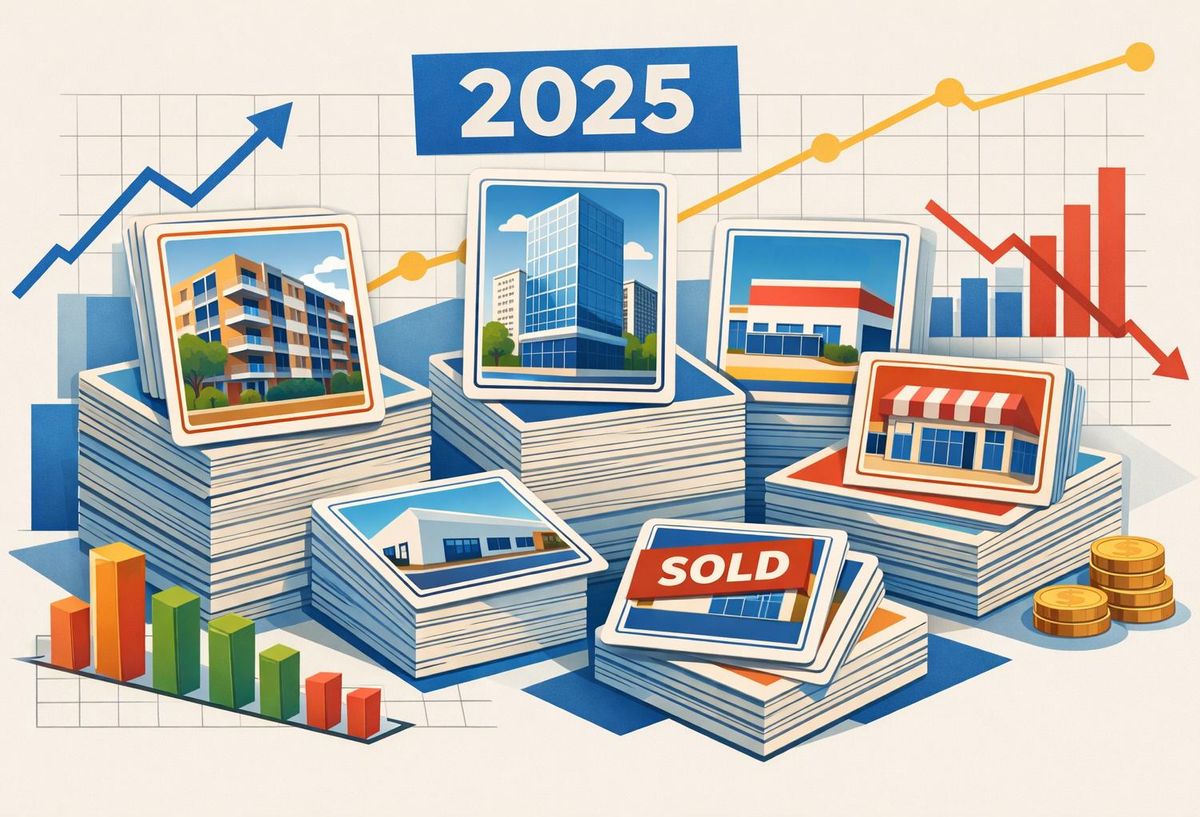
Commercial real estate roared back to life in 2025, with more than $255B pouring into multifamily, industrial, office and retail assets. Major investors moved fast on falling interest rates, improving bond yields and rising confidence across sectors. Multifamily dominated with over $115B in deals, industrial surged under private equity leadership, office saw renewed activity from owner-users and retail proved surprisingly resilient. For today’s real estate and finance professionals, the message is clear: opportunity favors those who stay informed and ready to act.