In a rapidly evolving digital landscape, the concept of real estate has transcended its physical boundaries, venturing into the virtual realm of the metaverse. As highlighted in an insightful piece by Influencer Marketing Hub, the metaverse real estate market is burgeoning, offering both tantalizing opportunities and significant risks for investors.
Metaverse real estate consists of parcels of land in virtual worlds. These digital spaces, while intangible, hold immense potential for social interaction, gaming, and business ventures. Investors can buy, sell, and lease these properties using specific cryptocurrencies, making the process both straightforward and speculative. Unlike traditional real estate, metaverse properties are not subject to physical depreciation, offering a unique investment avenue.
Why Invest in Metaverse Real Estate?
The allure of metaverse real estate lies in its versatility. From hosting virtual events to creating interactive gaming environments, the possibilities are boundless. Brands can leverage these spaces for virtual product launches and unique customer experiences, while investors can develop and rent out properties, mirroring the strategies used in physical real estate.
Current Market Dynamics
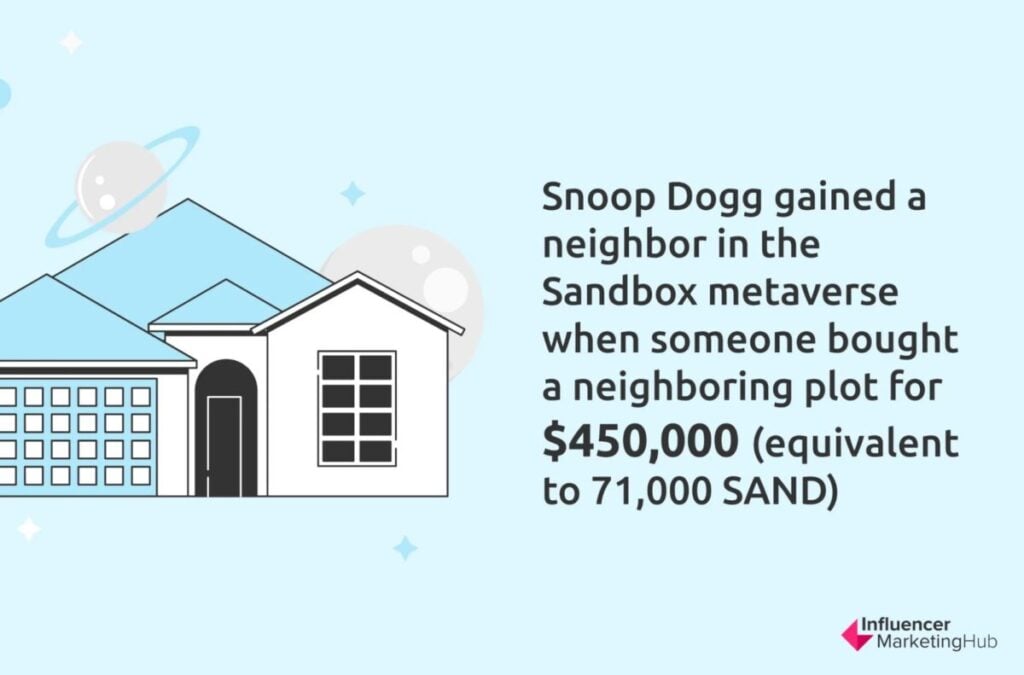
The market for metaverse real estate has seen dramatic fluctuations. During its peak in 2022, prices soared, with some properties selling for as much as $450,000, such as the plot adjacent to Snoop Dogg’s in The Sandbox. However, recent trends indicate a downturn, with prices plummeting by up to 95% in some areas, underscoring the market’s volatility.
Choosing the Right Platform
Investors looking to dive into the metaverse should consider platforms like Sandbox, Decentraland, and Voxels. These platforms offer unique experiences and opportunities for monetization, from user-generated content to social interactions and virtual reality experiences.
Factors Influencing Property Value
Platform: Prime locations on popular platforms command higher prices.
Location: Proximity to popular landmarks or well-trafficked areas increases value.
Attributes and Size: Unique features and larger plots generally cost more.
Market Trends: Prices fluctuate with supply and demand dynamics.
Risks and Challenges
Despite its potential, investing in metaverse real estate is not without risks. The market’s volatility, coupled with the lack of regulation and the speculative nature of cryptocurrencies, makes it a high-stakes venture. Investors are advised to conduct thorough research and approach with caution.
As the metaverse continues to evolve, it presents both challenges and opportunities for the real estate industry. While the risks are significant, the potential rewards could be substantial for those who navigate this new frontier wisely.
Getting licensed or staying ahead in your career can be a journey—but it doesn’t have to be overwhelming. Grab your favorite coffee or tea, take a moment to relax, and browse through our articles. Whether you’re just starting out or renewing your expertise, we’ve got tips, insights, and advice to keep you moving forward. Here’s to your success—one sip and one step at a time!
Cameron Academy's state-approved 63-hour Florida Real Estate Sales Associate Pre-License Course begins April 13, 2026 at the Dr. Phillips campus in Orlando. Attend in person or join live via Zoom. Morning schedule, expert instruction, and only 14 seats remaining. Enroll now before this class fills up.
The Florida real estate licensing exam is the single biggest gatekeeper between you and a career in one of the nation's most active real estate markets. And the numbers don't sugarcoat it: roughly half of all first-time test-takers in Florida walk out without a passing score. According to data compiled by Colibri Real Estate, Florida's first-time pass rate sits at approximately 51%, with about 41,900 candidates taking the exam each year.
Part-Time vs. Full-Time: Can You Get Your Real Estate License While Working a 9‑to‑5? The honest, data-backed guide to earning your license around a day #ReadMore
Florida’s 2026 legislative session brought significant victories for real estate professionals, with Realtor advocacy preserving key regulatory structures, strengthening property rights, improving major housing programs, and protecting agents from new liabilities. From blocking the dismantling of the Florida Real Estate Commission to advancing bills that support safer, more transparent transactions, these wins shape a more stable future for Florida agents, brokers, and consumers.
AI‑enhanced listing images are transforming real estate marketing, but they’re also creating a growing trust problem. Tools that once simply brightened rooms can now erase damage, add furniture, or even generate entirely new scenes, fueling a trend known as “housefishing.” As complaints rise and states like California introduce disclosure laws, the industry is being forced to confront a new reality: the more perfect the photos get, the more renters and buyers crave authenticity.
Florida homeowners hit by Hurricane Milton face an important April 9 deadline to file or reopen supplemental insurance claims. With more than 385,000 claims and over 5.6 billion dollars in losses already reported, experts warn that waiting until construction is completed could leave families without the additional funds they’re owed. An 18‑month window applies to supplemental claims, and missing it could cause insurance companies to deny further reimbursement.