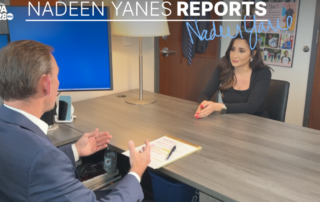
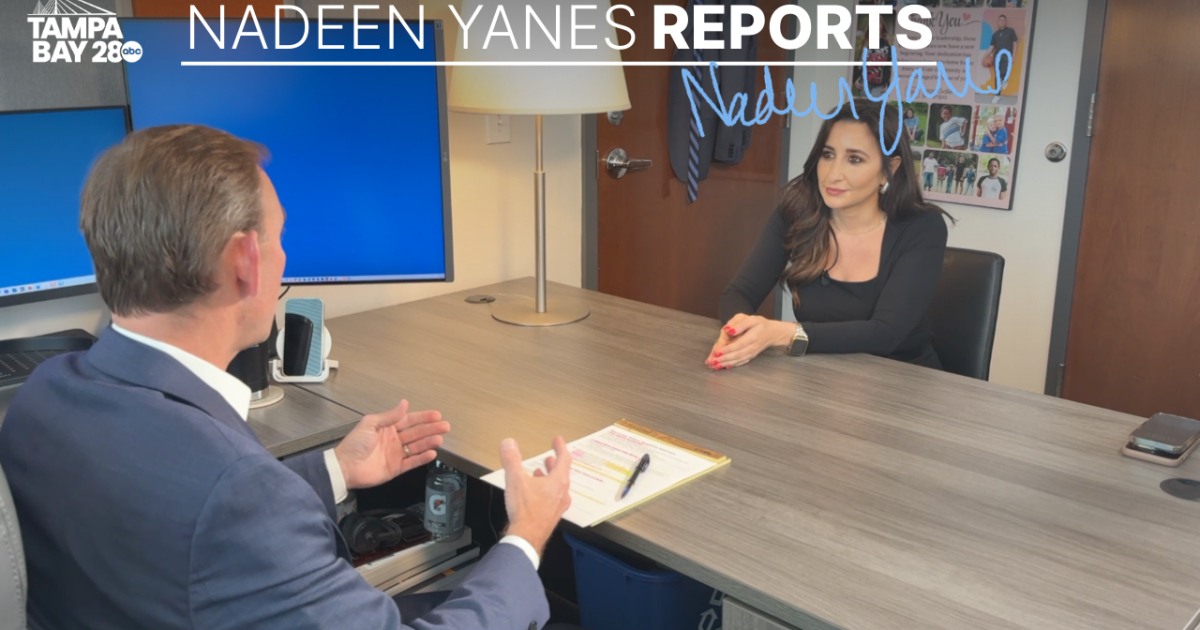
In recent years, mentorship programs have proven invaluable in the real estate industry, significantly influencing the growth and success of both agents and brokerages. A prime example of this is the mentorship initiative at Guide Real Estate, which started in 2020. Jon Yacovetta, the Director of Mentoring, highlights that the foundations of their program were laid by leveraging his extensive background in education and leadership. Mentored by Bret Weinstein, the firm’s founder and CEO, Yacovetta put his skills to good use by teaching novice agents about the nuances of real estate and offering the required supervision.


As the program flourished, it attracted many talented agents and became a pivotal recruitment tool. When executed effectively, mentorship bridges the confidence gap for agents, helping them attract more clients and thereby bolster the brokerage’s finances. It also offers significant professional development opportunities, fostering growth and increased productivity.


Ahmed Islam’s Journey

Ahmed Islam’s story further illustrates the profound impact of mentorship. Starting his career in New York after growing up in Dubai, Islam faced challenges entering the commercial real estate sector. It was his participation in a mentorship program offered by the National Association of REALTORS® that bridged this gap. His mentor not only shared industry insights but also provided personal support, motivating Islam to venture into commercial real estate successfully. This mentorship experience led him to become a mentor himself, emphasizing the importance of giving back to the community that aided his growth.


Creating a Successful Mentorship Program

Creating such impactful mentorship programs requires strategic planning and commitment. Yacovetta outlines key elements that have contributed to their success: appointing dedicated personnel to manage the program, ensuring leadership’s enthusiasm for agent growth, and recruiting agents ready to embrace mentorship. Furthermore, allowing potential mentors to express their interest and guiding both trainers and mentees has been crucial. Programs must ensure regular meetings for goal accountability and provide access to resources such as CRM tools and educational opportunities.


The benefits of these mentorship programs extend beyond individual successes; they foster a culture of mutual support and continuous learning within the brokerage. By facilitating interactions between different generations of agents, brokerages can benefit from diverse skill sets and technological advancements. This approach strengthens the industry’s network and ensures that both mentors and mentees grow in their roles.


Overall, the success of Guide Real Estate’s mentorship program exemplifies how structured guidance transforms new real estate agents into confident professionals, enhancing both individual careers and the broader brokerage ecosystem.


More Articles

Getting licensed or staying ahead in your career can be a journey—but it doesn’t have to be overwhelming. Grab your favorite coffee or tea, take a moment to relax, and browse through our articles. Whether you’re just starting out or renewing your expertise, we’ve got tips, insights, and advice to keep you moving forward. Here’s to your success—one sip and one step at a time!

Florida Real Estate Pre-License Class Starting April 13, 2026 – Only 9 Seats Left | Cameron Academy Orlando

Cameron Academy's state-approved 63-hour Florida Real Estate Sales Associate Pre-License Course begins April 13, 2026 at the Dr. Phillips campus in Orlando. Attend in person or join live via Zoom. Morning schedule, expert instruction, and only 14 seats remaining. Enroll now before this class fills up.

How to Pass the Florida Real Estate Exam on Your First Try (From People Who Did It – With Videos)

The Florida real estate licensing exam is the single biggest gatekeeper between you and a career in one of the nation's most active real estate markets. And the numbers don't sugarcoat it: roughly half of all first-time test-takers in Florida walk out without a passing score. According to data compiled by Colibri Real Estate, Florida's first-time pass rate sits at approximately 51%, with about 41,900 candidates taking the exam each year.

By |March 20, 2026|Categories: Article, Cameron Academy Post|0 Comments

Part-Time vs. Full-Time: Can You Get Your Real Estate License While Working a 9-to-5?

Part-Time vs. Full-Time: Can You Get Your Real Estate License While Working a 9‑to‑5? The honest, data-backed guide to earning your license around a day #ReadMore

By |March 19, 2026|Categories: Article, Cameron Academy Post|0 Comments

Realtor Advocacy Secures Major Wins in Florida’s 2026 Legislative Session

Florida’s 2026 legislative session brought significant victories for real estate professionals, with Realtor advocacy preserving key regulatory structures, strengthening property rights, improving major housing programs, and protecting agents from new liabilities. From blocking the dismantling of the Florida Real Estate Commission to advancing bills that support safer, more transparent transactions, these wins shape a more stable future for Florida agents, brokers, and consumers.

AI Listing Photos Are Becoming Too Real — And Too Misleading

AI‑enhanced listing images are transforming real estate marketing, but they’re also creating a growing trust problem. Tools that once simply brightened rooms can now erase damage, add furniture, or even generate entirely new scenes, fueling a trend known as “housefishing.” As complaints rise and states like California introduce disclosure laws, the industry is being forced to confront a new reality: the more perfect the photos get, the more renters and buyers crave authenticity.

Hurricane Milton Supplemental Claim Deadline Approaches for Florida Homeowners

Florida homeowners hit by Hurricane Milton face an important April 9 deadline to file or reopen supplemental insurance claims. With more than 385,000 claims and over 5.6 billion dollars in losses already reported, experts warn that waiting until construction is completed could leave families without the additional funds they’re owed. An 18‑month window applies to supplemental claims, and missing it could cause insurance companies to deny further reimbursement.