The Indiana General Assembly is currently navigating a transformative legislative session, with over 30 bills poised to reshape the state’s K-12 education system. As reported by WFYI, these proposals range from expanding universal vouchers to restructuring school district funding.
Universal Vouchers Expansion
One of the most significant proposals, House Bill 1001, aims to establish universal school vouchers. This would allow Indiana families to use state funds to attend private, parochial, or nonreligious schools through the Choice Scholarship Program. The projected cost exceeds $88 million in fiscal year 2026, escalating further in 2027.
Property Tax Reforms and School Funding Property tax reform is another focal point, with Senate Bill 1 proposing caps on property tax increases. This could significantly impact local government and school funding, potentially leading to a $1.91 billion loss over the next three fiscal years.
Transportation Sharing Pilot Program
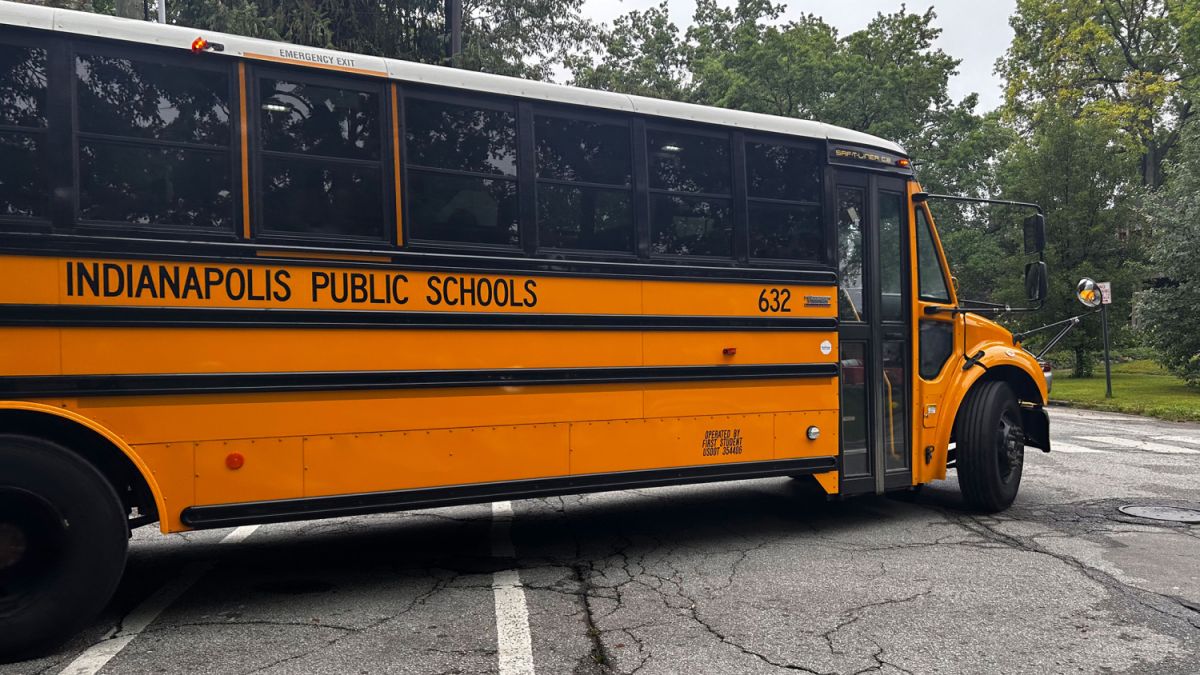
In a bid to optimize resources, House Bill 1501 proposes a pilot program for transportation sharing among districts like Indianapolis Public Schools and others. This initiative aims to create a centralized transportation board, potentially imposing property taxes for services after the pilot phase.
Some Indianapolis politicians and Republican state lawmakers want Indianapolis Public Schools to increase access to transportation for students who live in district boundaries. (Eric Weddle / WFYI)
District Restructuring and Charter School Conversions
Under House Bill 1136, several school districts, including Indianapolis Public Schools, could be dissolved and converted into charter schools due to enrollment shifts. This controversial proposal has sparked significant debate and concern among public school advocates.
Challenges to DEI and Literacy Training
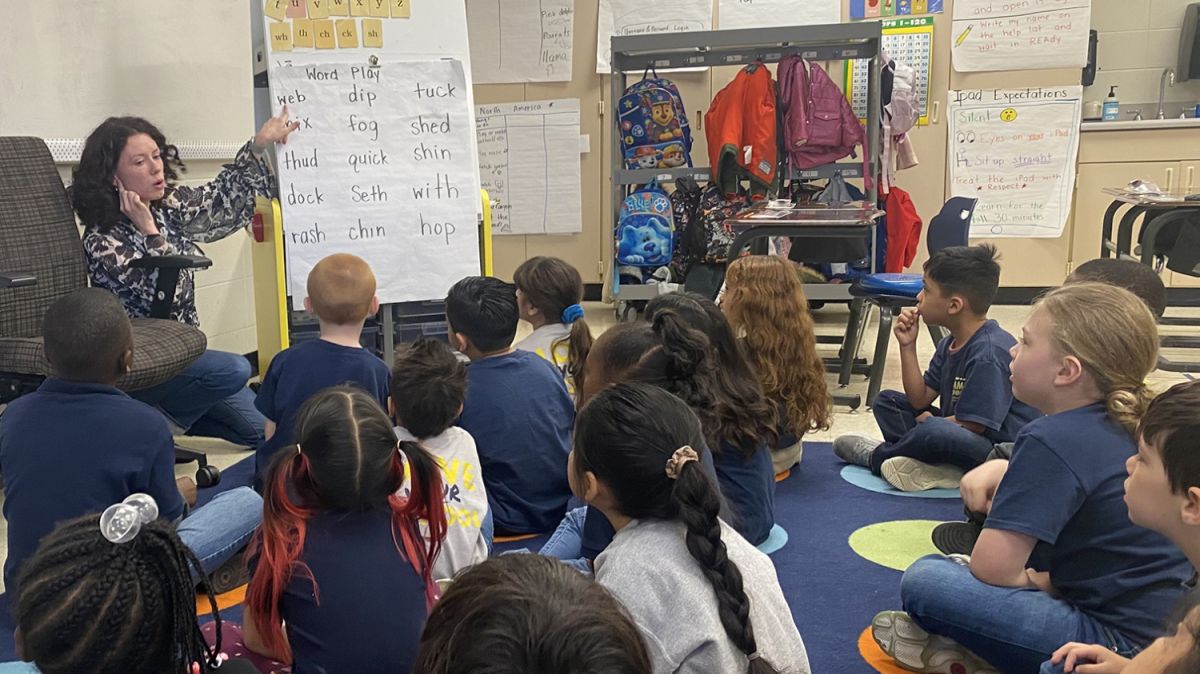
Senate Bill 289 challenges diversity, equity, and inclusion (DEI) initiatives by banning schools from compelling students to adopt certain beliefs. Additionally, Senate Bill 34 seeks to reduce teacher literacy training hours, addressing concerns over burdensome certification requirements.
Teacher Ivy Sullivan works on reading skills with kindergarten students at Adelante charter school in Indianapolis. (Elizabeth Gabriel / WFYI)
Ongoing Debates and Future Implications
These legislative efforts, led predominantly by House Republicans, are part of a broader initiative to revise Indiana’s education laws. As the session progresses, the impact of these bills on the state’s education landscape remains a subject of intense scrutiny and discussion.
For further details, explore the original article on WFYI’s website.
Getting licensed or staying ahead in your career can be a journey—but it doesn’t have to be overwhelming. Grab your favorite coffee or tea, take a moment to relax, and browse through our articles. Whether you’re just starting out or renewing your expertise, we’ve got tips, insights, and advice to keep you moving forward. Here’s to your success—one sip and one step at a time!
Cameron Academy's state-approved 63-hour Florida Real Estate Sales Associate Pre-License Course begins April 13, 2026 at the Dr. Phillips campus in Orlando. Attend in person or join live via Zoom. Morning schedule, expert instruction, and only 14 seats remaining. Enroll now before this class fills up.
The Florida real estate licensing exam is the single biggest gatekeeper between you and a career in one of the nation's most active real estate markets. And the numbers don't sugarcoat it: roughly half of all first-time test-takers in Florida walk out without a passing score. According to data compiled by Colibri Real Estate, Florida's first-time pass rate sits at approximately 51%, with about 41,900 candidates taking the exam each year.
Part-Time vs. Full-Time: Can You Get Your Real Estate License While Working a 9‑to‑5? The honest, data-backed guide to earning your license around a day #ReadMore
Florida’s 2026 legislative session brought significant victories for real estate professionals, with Realtor advocacy preserving key regulatory structures, strengthening property rights, improving major housing programs, and protecting agents from new liabilities. From blocking the dismantling of the Florida Real Estate Commission to advancing bills that support safer, more transparent transactions, these wins shape a more stable future for Florida agents, brokers, and consumers.
AI‑enhanced listing images are transforming real estate marketing, but they’re also creating a growing trust problem. Tools that once simply brightened rooms can now erase damage, add furniture, or even generate entirely new scenes, fueling a trend known as “housefishing.” As complaints rise and states like California introduce disclosure laws, the industry is being forced to confront a new reality: the more perfect the photos get, the more renters and buyers crave authenticity.
Florida homeowners hit by Hurricane Milton face an important April 9 deadline to file or reopen supplemental insurance claims. With more than 385,000 claims and over 5.6 billion dollars in losses already reported, experts warn that waiting until construction is completed could leave families without the additional funds they’re owed. An 18‑month window applies to supplemental claims, and missing it could cause insurance companies to deny further reimbursement.