A Comprehensive Guide to Becoming a Real Estate Agent in Alabama
Opportunities Abound in the Alabama Real Estate Market
Are you ready to dive into the world of real estate? The Alabama Real Estate Sales Agent 60-Hour Pre-License Course is your starting point. This all-inclusive course covers everything from basic concepts to industry-specific topics, making it the perfect fit for both novices and seasoned investors.
In this guide, we’ll walk you through the process of obtaining your Alabama Real Estate Sales Agent License. Whether you’re an enthusiastic individual seeking a rewarding career or an experienced professional looking for a new challenge, this guide will equip you with the necessary tools to kick-start your journey.
Let’s embark on this thrilling adventure together and open the doors to success in the Alabama real estate market!
Your Journey to Becoming a Licensed Real Estate Agent in Alabama
To become a licensed real estate agent in Alabama, you must meet certain eligibility criteria. These include being a U.S. citizen or legally present in the U.S., being at least 19 years old, providing proof of residency and high school graduation, and having a clean criminal record. Once you meet these requirements, you’re ready to embark on your journey towards obtaining your license.

Step 1: Complete the Alabama Real Estate Sales Agent 60-Hour Pre-License Course
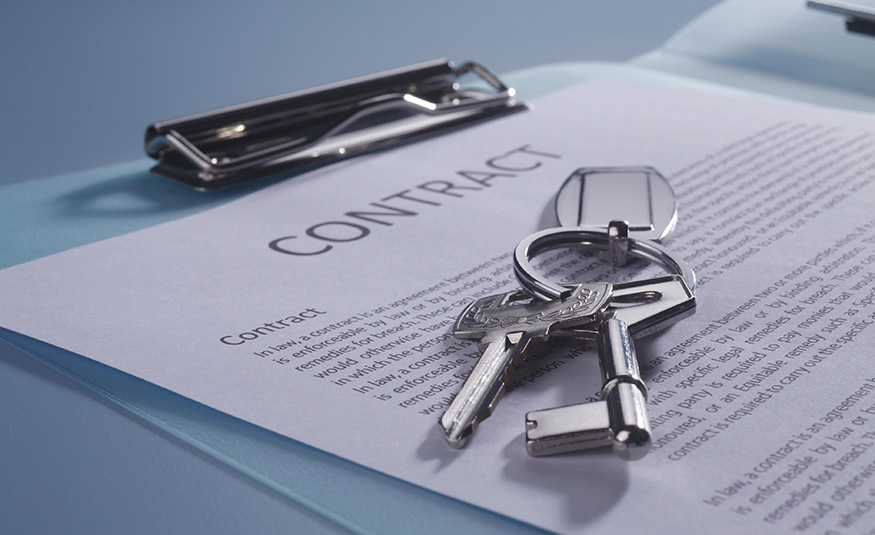
The first step on your path to becoming a licensed real estate agent in Alabama is to complete the Alabama Real Estate Sales Agent 60-Hour Pre-License Course. This comprehensive course covers essential topics such as real estate principles, contracts, finance, and property management. It equips you with the knowledge and skills necessary to navigate the complexities of the real estate world.
Enroll in the Alabama Real Estate Sales Agent 60-Hour Pre-License Course today and take the first step towards a successful career in real estate.
For more information and to enroll, visit here.

Step 2: Pass the Alabama Real Estate Licensing Examination
After successfully completing the pre-license course, the next step is to pass the Alabama Real Estate Licensing Examination. This examination assesses your understanding of real estate laws, regulations, and practices in Alabama. It is a crucial step towards obtaining your license and becoming a qualified real estate professional.
Prepare for the examination by utilizing the resources provided by Cameron Academy and practicing sample questions. With dedication and thorough preparation, you’ll be ready to ace the examination and move closer to your dream career.

Step 3: Complete the 30-Hour Post-License Training Course
After passing the licensing examination, you will need to complete a 30-hour post-license training course within the first twelve months of licensure. This course provides additional knowledge and skills necessary for a successful career as a real estate agent in Alabama.
Make the most of this training opportunity to enhance your expertise and stay up-to-date with the latest trends and practices in the real estate industry.
Why Choose a Career in Real Estate?
Becoming a real estate agent offers a multitude of advantages and opportunities. The real estate profession is dynamic, multifaceted, and rewarding. As a real estate agent, you’ll have the chance to acquire invaluable skills such as effective communication, negotiation, and market analysis.
Here are three compelling reasons to pursue a career as a real estate agent in Alabama:
- Unlimited Earning Potential: Real estate offers the potential for significant financial rewards. With dedication, hard work, and a solid client base, you can enjoy a lucrative income.
- Flexible Work Hours: As a real estate agent, you have the flexibility to create your own schedule. This allows you to achieve a healthy work-life balance and cater to the needs of your clients.
- Personal Growth: The real estate industry provides ample opportunities for personal growth and development. You’ll constantly learn and adapt to new market trends, expanding your knowledge and expertise.
Changes in the Licensing Examination Provider
As of January 3, 2023, the licensing examination provider for Alabama real estate agents has changed from PSI to Pearson VUE. This change ensures that the examination aligns with industry standards and provides a fair assessment of your knowledge and skills.
Stay updated with the latest changes and be prepared for the licensing examination under the new provider.
Embark on Your Journey to Success
Congratulations on taking the first step towards becoming a licensed real estate agent in Alabama! By following the steps outlined in this guide, you’ll be well-prepared to navigate the exciting world of real estate.
Enroll in the Alabama Real Estate Sales Agent 60-Hour Pre-License Course and open the doors to a rewarding career. Visit here to learn more and get started on your journey.
Take the First Step Today
Explore the Exciting World of Real Estate with Cameron Academy
Unlock your potential and embark on a fulfilling career as a licensed real estate agent in Alabama. With Cameron Academy’s industry-leading courses, experienced instructors, and flexible learning options, you’ll gain the knowledge and skills needed to thrive in the competitive real estate market.
Ready to Get Started?
Enroll in the Alabama Real Estate Sales Agent 60-Hour Pre-License Course today and take the first step towards a successful career.
Enroll Now