A Time of Reckoning for Commercial Real Estate: What Professionals Need to Know in 2026
After years of “extend and pretend,” the commercial real estate world is officially facing its moment of truth. Banks across the nation are calling in billions of dollars in troubled office and CRE loans, pushing delinquency rates to historic highs and reshaping the future of investment strategies.
According to new data from CFO Brew, CRE analytics firm Trepp reports that more than 12% of office loans were delinquent as of January—an all‑time high. Rising interest rates, softening cash flows, and aging office properties are pushing a sector already stressed by post‑pandemic shifts into a new era of accountability.
Why Banks Are Tightening the Screws
With regulators demanding cleaner balance sheets and investors prioritizing smarter asset management, lenders have begun calling in maturing or troubled loans rather than rolling them forward. The result is a marketplace now described as “bifurcated and uneven.”
“Real estate investment normally is considered a passive kind of investment… now you need to look at the data—sales, vacancies, absorption rates—all these data-driven management metrics—in order to make a more strategic plan.”
—Maggie Hu, Baruch College Department of Real Estate
Many loans tied to older buildings or weaker office markets are performing particularly poorly. And with 17%—roughly $875 billion—of all outstanding commercial and multifamily loans maturing this year, lenders know a massive refinancing wave is coming.
Regional Banks Are Feeling the Pressure
Smaller and regional banks are carrying the heaviest burden. Their portfolios tend to be concentrated in specific local markets, meaning downturns hit harder and deeper. If losses continue to mount, lending could constrict far beyond real estate—affecting small businesses, developers, and even everyday consumers.
“Regional banks are more susceptible to the downturn in CRE markets, especially office.”
—Maggie Hu
What CRE Companies Must Do Now
For owners facing maturing loans, proactive communication is now essential. Lenders aren’t rubber‑stamping renewals anymore—meaning businesses must present data‑backed plans and realistic solutions well in advance.
“Prepare updated assessment and potential solutions, not just requests for more time.”
—Maggie Hu
What This Means for Real Estate Professionals and Students
This CRE shakeup isn’t just a headline—it’s a defining moment for career‑minded professionals. Skills such as investment analysis, market data interpretation, and portfolio management are becoming fundamental. Those who understand this evolving environment will help lead the next generation of real estate strategy.
That’s why education matters more than ever. Whether you’re building a new real estate career or branching into commercial specialties, programs at Cameron Academy help you stay informed, agile, and competitive in a market that’s changing faster than ever.
Source Spotlight
This article draws insights from an outstanding finance‑forward analysis by CFO Brew, a publication known for sharp, digestible reporting for modern professionals. Explore their original piece here:
A Time of Reckoning for Commercial Real Estate – CFO Brew
More Articles
Getting licensed or staying ahead in your career can be a journey—but it doesn’t have to be overwhelming. Grab your favorite coffee or tea, take a moment to relax, and browse through our articles. Whether you’re just starting out or renewing your expertise, we’ve got tips, insights, and advice to keep you moving forward. Here’s to your success—one sip and one step at a time!
A growing share of American homeowners now carry mortgage rates above 5%—a dramatic shift that’s reshaping refinancing, inventory, and buyer behavior nationwide. With more than 30% of borrowers locked into rates over 5% and 20% above 6%, the market is split between owners holding on to low pandemic‑era loans and new buyers taking on higher‑rate mortgages. Federal efforts to push rates down could unlock millions of refinancing opportunities, while buyers see only modest monthly savings. For real estate professionals, understanding these rate dynamics is crucial as they increasingly drive inventory levels, affordability, and market activity.
New Moody’s data shows commercial real estate deal volume slipped 20% in December, marking a second monthly decline. Yet the full year tells a different story: 2025 ended with a 17% gain, signaling a quiet but resilient recovery. The biggest surprise came from the office sector, which posted a 21% jump in activity as return‑to‑office trends and AI‑driven job growth boosted demand. Multifamily, retail, and alternative assets like data centers also saw strong momentum, giving real estate professionals a market full of fresh opportunities heading into 2026.
Florida drivers and industry professionals are heading into 2026 with good news: auto insurance rates are dropping across the state as the market shows strong signs of stabilization. USAA leads the latest wave with a 7% average rate decrease expected in May 2026, saving members more than $125 million annually. They join several major insurers — including State Farm, Progressive, AAA, Allstate, and Florida Farm Bureau — all approving significant reductions. Officials credit recent legislative reforms, especially tort reform, for the improved loss ratios and renewed insurer confidence. With both auto and home insurance markets strengthening, Florida’s real estate, mortgage, and insurance professionals can expect more consumer confidence, smoother transactions, and expanding career opportunities.
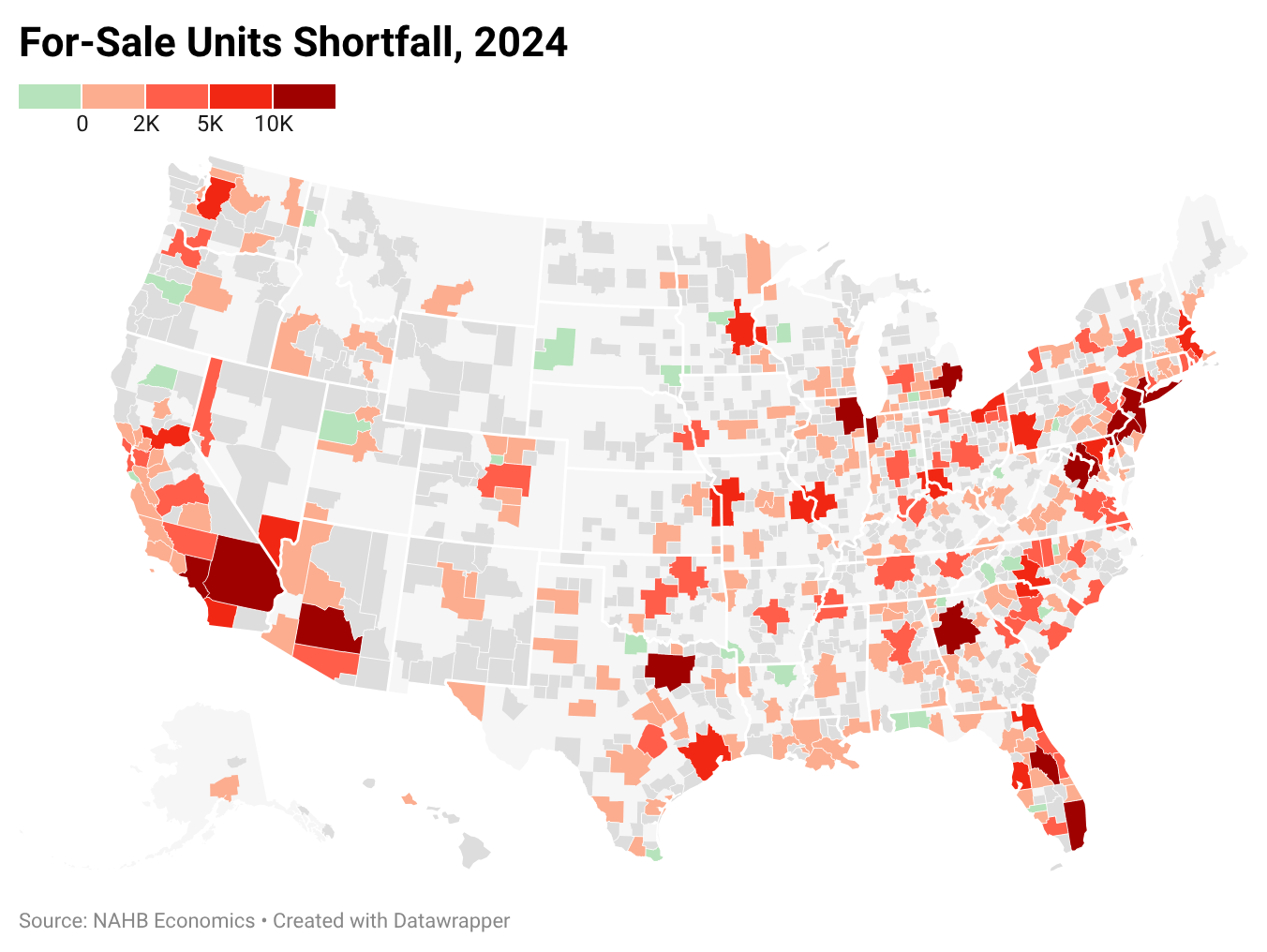
New data from Eye On Housing and the NAHB shows the U.S. remains short more than 1.2 million housing units, keeping pressure on both rents and home prices. Record‑low vacancy rates, slow single‑family construction, and restrictive zoning continue to fuel intense competition in 2024. Major metros like Chicago, New York, and Atlanta face some of the deepest deficits, and the true nationwide shortfall may be even higher when accounting for overcrowding and aging homes. For real estate professionals, the ongoing shortage means sustained demand, tighter inventory, and major opportunities for those who understand the evolving market.
Top real estate coach Jason Pantana says the divide between agents today isn’t about who has “tried” AI — it’s about who is immersed in it. In a new HousingWire interview, he explains why AI isn’t a gimmick but a full business system that amplifies output, improves authenticity, and reshapes how clients search for agents. From prompt mastery to AI‑driven visibility on Google, Pantana reveals how agents who commit even 15 minutes a day to learning AI are already outperforming those who hesitate.
Dallas–Fort Worth’s commercial real estate market closed 2025 with a split personality. Industrial dominated with massive new deliveries and soaring leasing demand, retail held steady with some of the market’s strongest fundamentals in years, and office continued to falter under remote‑work pressures. High vacancies, weak absorption, and rising demand for top‑tier space show the sector’s ongoing reset. Meanwhile, industrial and retail strength position the Metroplex for another powerhouse year heading into 2026.