A Time of Reckoning for Commercial Real Estate: What Professionals Need to Know in 2026
After years of “extend and pretend,” the commercial real estate world is officially facing its moment of truth. Banks across the nation are calling in billions of dollars in troubled office and CRE loans, pushing delinquency rates to historic highs and reshaping the future of investment strategies.
According to new data from CFO Brew, CRE analytics firm Trepp reports that more than 12% of office loans were delinquent as of January—an all‑time high. Rising interest rates, softening cash flows, and aging office properties are pushing a sector already stressed by post‑pandemic shifts into a new era of accountability.
Why Banks Are Tightening the Screws
With regulators demanding cleaner balance sheets and investors prioritizing smarter asset management, lenders have begun calling in maturing or troubled loans rather than rolling them forward. The result is a marketplace now described as “bifurcated and uneven.”
“Real estate investment normally is considered a passive kind of investment… now you need to look at the data—sales, vacancies, absorption rates—all these data-driven management metrics—in order to make a more strategic plan.”
—Maggie Hu, Baruch College Department of Real Estate
Many loans tied to older buildings or weaker office markets are performing particularly poorly. And with 17%—roughly $875 billion—of all outstanding commercial and multifamily loans maturing this year, lenders know a massive refinancing wave is coming.
Regional Banks Are Feeling the Pressure
Smaller and regional banks are carrying the heaviest burden. Their portfolios tend to be concentrated in specific local markets, meaning downturns hit harder and deeper. If losses continue to mount, lending could constrict far beyond real estate—affecting small businesses, developers, and even everyday consumers.
“Regional banks are more susceptible to the downturn in CRE markets, especially office.”
—Maggie Hu
What CRE Companies Must Do Now
For owners facing maturing loans, proactive communication is now essential. Lenders aren’t rubber‑stamping renewals anymore—meaning businesses must present data‑backed plans and realistic solutions well in advance.
“Prepare updated assessment and potential solutions, not just requests for more time.”
—Maggie Hu
What This Means for Real Estate Professionals and Students
This CRE shakeup isn’t just a headline—it’s a defining moment for career‑minded professionals. Skills such as investment analysis, market data interpretation, and portfolio management are becoming fundamental. Those who understand this evolving environment will help lead the next generation of real estate strategy.
That’s why education matters more than ever. Whether you’re building a new real estate career or branching into commercial specialties, programs at Cameron Academy help you stay informed, agile, and competitive in a market that’s changing faster than ever.
Source Spotlight
This article draws insights from an outstanding finance‑forward analysis by CFO Brew, a publication known for sharp, digestible reporting for modern professionals. Explore their original piece here:
A Time of Reckoning for Commercial Real Estate – CFO Brew
More Articles
Getting licensed or staying ahead in your career can be a journey—but it doesn’t have to be overwhelming. Grab your favorite coffee or tea, take a moment to relax, and browse through our articles. Whether you’re just starting out or renewing your expertise, we’ve got tips, insights, and advice to keep you moving forward. Here’s to your success—one sip and one step at a time!
Despite billions poured into proptech and a decade of flashy digital upgrades, the real estate experience remains largely unchanged. Apps made processes smoother, but not more transparent — because the industry’s core structures, data control and power dynamics stayed the same. True disruption will come from platforms that shift information and control to consumers, not just digitize outdated systems.
Early 2026 is delivering a clear message: commercial real estate is entering a recalibration phase. Construction is softening, pending home sales just saw a sharp drop, consumer sentiment is inching upward but remains fragile, and capital markets are tightening as major CRE sectors face rising distress. From data centers powering ahead to CMBS foreclosures climbing and office-to-residential conversions gaining momentum, professionals across real estate, mortgage, insurance, and finance need to stay sharp as the industry shifts.
Discover the real estate roles earning the biggest paychecks in 2026. From investment consultants to commercial leasing managers, this breakdown highlights the salaries, responsibilities, and career paths offering the strongest financial potential in today’s evolving market—perfect for newcomers and seasoned professionals mapping their next big move.
Montana is taking major steps to remove outdated licensing barriers and strengthen its workforce. Governor Greg Gianforte has created a new Licensing Reform Task Force aimed at modernizing regulations, speeding up approvals, and helping more professionals enter high‑demand fields like construction and healthcare. With licensing numbers doubling over the past decade and rural communities facing critical shortages, the state is pushing for faster, more efficient pathways to work. The task force begins meeting in February and will deliver its full reform report by September 2026 — a move that could influence licensing modernization efforts nationwide.
Artificial intelligence has officially moved from novelty to necessity in the real estate world. According to new industry data, 97% of brokerage leaders say their agents now rely on AI tools for everything from listing descriptions to full-scale marketing campaigns. As adoption skyrockets, so do concerns over training, accuracy, and compliance — especially among smaller firms. The message is clear: for today’s real estate professionals, AI literacy isn’t optional anymore.
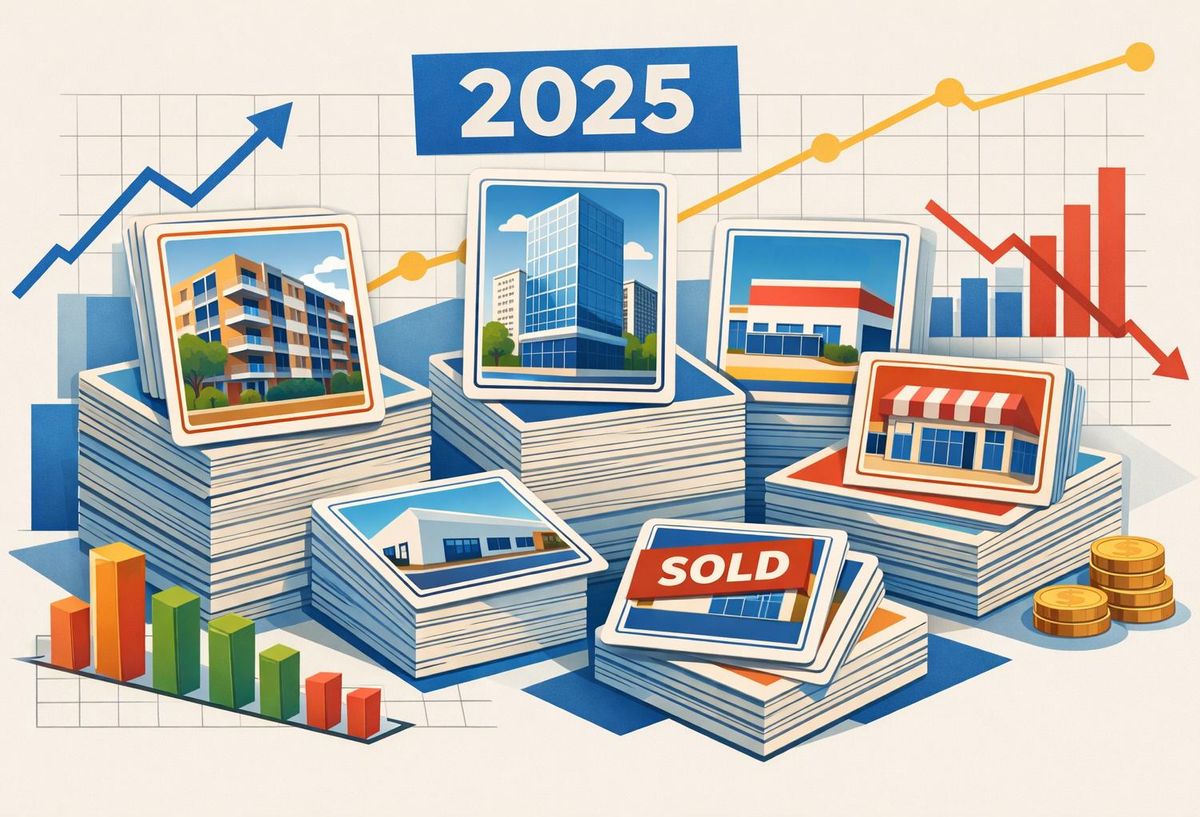
Commercial real estate roared back to life in 2025, with more than $255B pouring into multifamily, industrial, office and retail assets. Major investors moved fast on falling interest rates, improving bond yields and rising confidence across sectors. Multifamily dominated with over $115B in deals, industrial surged under private equity leadership, office saw renewed activity from owner-users and retail proved surprisingly resilient. For today’s real estate and finance professionals, the message is clear: opportunity favors those who stay informed and ready to act.