Adapting Glaucoma Training and Treatment: Insights from the Orbis Flying Eye Hospital
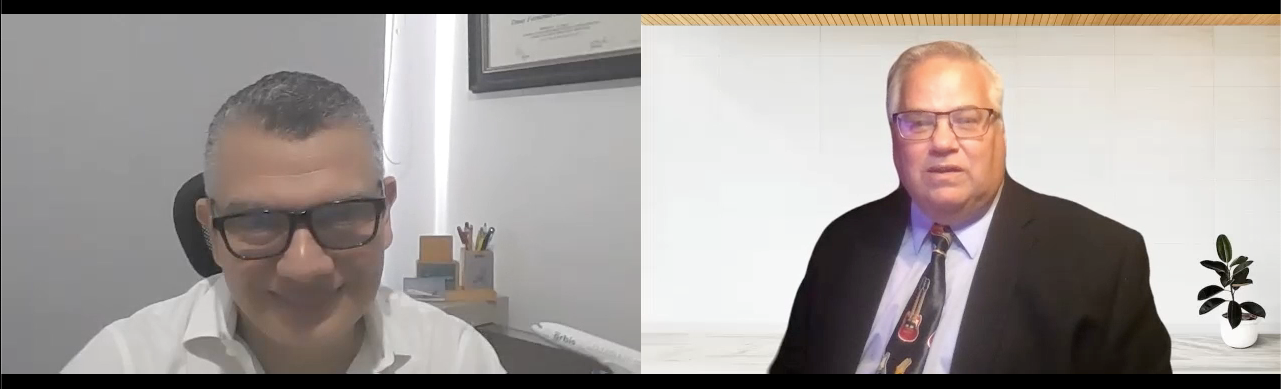
In a recent discussion with Ophthalmology Times, Dr. Omar Salamanca, MD, a staff ophthalmologist at the Orbis Flying Eye Hospital, shed light on the innovative approaches being employed to combat glaucoma in underserved regions. These tailored programs are designed to empower local medical teams by enhancing surgical skills, implementing early detection protocols, and integrating telemedicine advancements to ultimately prevent blindness.
Understanding Local Needs
Dr. Salamanca emphasized the importance of understanding the specific needs of each region. “We design our programs based on necessity, ranging from basic to advanced training,” he explained. This involves conducting preliminary visits to assess the existing ophthalmological capabilities and gaps, allowing Orbis to tailor their training programs accordingly.
Harnessing the Power of Telemedicine
A significant advancement in their initiative is the incorporation of telemedicine through the Cybersight platform. This resource provides virtual mentorship, real-time expert consultations, and AI-driven diagnostic support, making glaucoma care more accessible worldwide. “Cybersight enables doctors to connect with glaucoma experts globally, ensuring timely interventions and continuous education,” said Dr. Salamanca.
Overcoming Challenges in Underserved Regions
The challenges in underserved regions are addressed by improving both clinical and surgical skills. The Flying Eye Hospital serves as a platform for simulation training, allowing local doctors to practice techniques like trabeculectomies and MIGS (Minimally Invasive Glaucoma Surgery) on models before performing on patients. Feedback and outcomes are monitored closely to maintain high medical standards.
Promoting Early Detection and Awareness
Dr. Salamanca highlighted the broader goal of the program: enhancing early detection and awareness. This involves educating not just ophthalmologists but also general practitioners and nurses on identifying risk factors and conducting preliminary assessments. Collaborations with local governments further raise awareness about blindness prevention, emphasizing the importance of early-stage glaucoma screening.
Positive Feedback from Trainees
The feedback from trainees who have undergone the Orbis program is overwhelmingly positive. Participants not only gain valuable skills but also become part of an expanding professional community dedicated to ongoing learning and collaboration in glaucoma care.
For more insights into the Orbis glaucoma training programs, visit the original article on Ophthalmology Times.
More Articles
Getting licensed or staying ahead in your career can be a journey—but it doesn’t have to be overwhelming. Grab your favorite coffee or tea, take a moment to relax, and browse through our articles. Whether you’re just starting out or renewing your expertise, we’ve got tips, insights, and advice to keep you moving forward. Here’s to your success—one sip and one step at a time!
Florida now leads the nation in property insurance costs, with many homeowners paying more than $10,000 a year for shrinking coverage and higher deductibles. Despite nearly half of hurricane‑related claims ending with no payout and appeals failing over 90% of the time, state leaders say reforms “need more time to work.” With key relief bills stalled and real estate professionals feeling the shockwaves, experts warn that legislative inaction is deepening a crisis that threatens homeownership and the state’s economic stability.
Banks are finally calling in billions tied to troubled commercial real estate loans, pushing delinquency rates to historic highs and ending years of “extend and pretend.” With more than 12% of office loans now delinquent and $875 billion in commercial debt maturing in 2026, regional banks and property owners are facing mounting pressure. As valuations drop and refinancing becomes harder, experts warn that tighter lending standards and broader economic ripple effects are on the horizon—making strategic preparation essential for today’s real estate and finance professionals.
Florida policyholders are getting rare good news: the Florida Insurance Guaranty Association is ending its 1% emergency insurance assessment on October 1—two years ahead of schedule. The decision follows a calmer hurricane season, fewer insurer insolvencies, and growing market stability. The early termination is expected to save Floridians up to $650 million, with the average homeowner seeing about $31 in annual savings. This marks another milestone in the state’s insurance market recovery after major legislative reforms in 2022 and 2023.
The real estate industry has officially moved past its AI honeymoon phase. What began as a fun, optional tool has quietly become the backbone of how agents create content, communicate with clients, and market properties. But with that shift comes rising concern about authenticity, legal risks, and whether consumers will start questioning what they’re really paying agents for. As AI blends into everything from listing descriptions to client advice, professionals now face a new challenge: proving the human value behind the technology.
After years of volatility, industry analysts say commercial real estate may finally be on the verge of a major comeback. Investment activity is rising, leasing demand is strengthening, and key cities like Manhattan are leading a broader national recovery. With vacancy rates expected to drop and high‑quality buildings outperforming the rest, 2026 is shaping up to be the turning point investors and professionals have been waiting for.
AM Best warns that the property and casualty insurance market is heading into a more challenging 2026 as premium growth slows, inflation drives up claims costs, and combined ratios rise. Despite a strong 2025, moderating rates, higher repair and construction expenses, and ongoing reserve deficiencies are pressuring profitability. While commercial lines and personal lines both feel the strain, the E&S market continues to expand as traditional carriers pull back. This shifting landscape highlights the need for insurance professionals to stay sharp, informed, and adaptable.