Adapting Glaucoma Training and Treatment: Insights from the Orbis Flying Eye Hospital
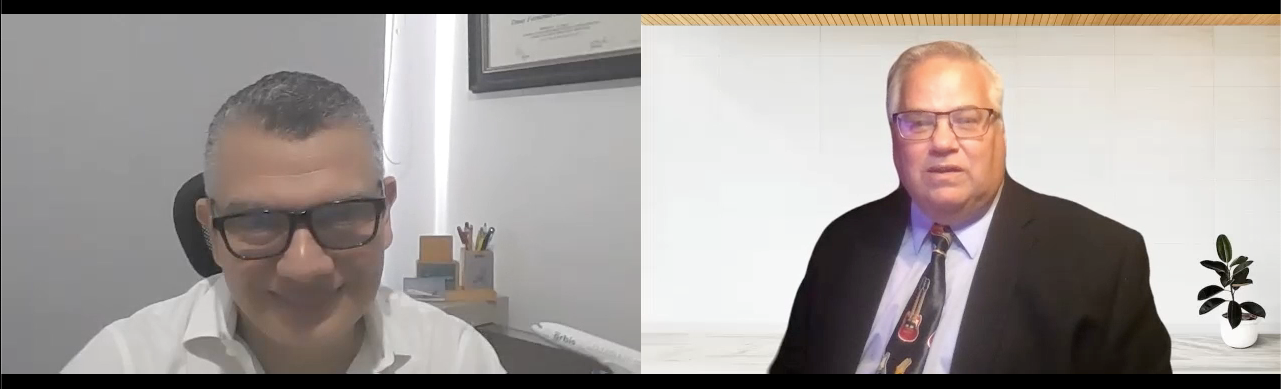
In a recent discussion with Ophthalmology Times, Dr. Omar Salamanca, MD, a staff ophthalmologist at the Orbis Flying Eye Hospital, shed light on the innovative approaches being employed to combat glaucoma in underserved regions. These tailored programs are designed to empower local medical teams by enhancing surgical skills, implementing early detection protocols, and integrating telemedicine advancements to ultimately prevent blindness.
Understanding Local Needs
Dr. Salamanca emphasized the importance of understanding the specific needs of each region. “We design our programs based on necessity, ranging from basic to advanced training,” he explained. This involves conducting preliminary visits to assess the existing ophthalmological capabilities and gaps, allowing Orbis to tailor their training programs accordingly.
Harnessing the Power of Telemedicine
A significant advancement in their initiative is the incorporation of telemedicine through the Cybersight platform. This resource provides virtual mentorship, real-time expert consultations, and AI-driven diagnostic support, making glaucoma care more accessible worldwide. “Cybersight enables doctors to connect with glaucoma experts globally, ensuring timely interventions and continuous education,” said Dr. Salamanca.
Overcoming Challenges in Underserved Regions
The challenges in underserved regions are addressed by improving both clinical and surgical skills. The Flying Eye Hospital serves as a platform for simulation training, allowing local doctors to practice techniques like trabeculectomies and MIGS (Minimally Invasive Glaucoma Surgery) on models before performing on patients. Feedback and outcomes are monitored closely to maintain high medical standards.
Promoting Early Detection and Awareness
Dr. Salamanca highlighted the broader goal of the program: enhancing early detection and awareness. This involves educating not just ophthalmologists but also general practitioners and nurses on identifying risk factors and conducting preliminary assessments. Collaborations with local governments further raise awareness about blindness prevention, emphasizing the importance of early-stage glaucoma screening.
Positive Feedback from Trainees
The feedback from trainees who have undergone the Orbis program is overwhelmingly positive. Participants not only gain valuable skills but also become part of an expanding professional community dedicated to ongoing learning and collaboration in glaucoma care.
For more insights into the Orbis glaucoma training programs, visit the original article on Ophthalmology Times.
More Articles
Getting licensed or staying ahead in your career can be a journey—but it doesn’t have to be overwhelming. Grab your favorite coffee or tea, take a moment to relax, and browse through our articles. Whether you’re just starting out or renewing your expertise, we’ve got tips, insights, and advice to keep you moving forward. Here’s to your success—one sip and one step at a time!
Florida’s insurance market is under intense pressure as millions of residents and trillions in property wealth cluster along hurricane‑vulnerable coastlines. This article breaks down how decades of growth in high‑risk zones created today’s crisis, why traditional pricing models can’t keep up, and what real estate and insurance professionals must do to stay ahead. It offers actionable insights on underwriting, risk communication, policy partnerships, and resilience planning—critical knowledge for anyone advising Florida homeowners or navigating the state’s evolving insurance landscape.
Florida’s homeowners insurance market may have stabilized, but not in the way residents hoped. After years of runaway increases, premiums have stopped spiking—but they’re holding at painfully high levels. Coastal properties remain the hardest hit, with some policies topping $15,000 a year, while insurers continue demanding costly upgrades and resisting calls for transparency. For real estate professionals, understanding these pricing pressures is becoming essential as insurance costs increasingly shape buyer decisions across the state.
Florida homeowners face soaring premiums, shrinking insurer options, and storms that grow stronger each year. This article breaks down what hurricane insurance actually covers, how deductibles really work, why flood insurance is essential, and what professionals in real estate, mortgage, and insurance must understand to protect clients and properties before the next major storm hits.
Teresa King Kinney, one of the most influential executives in modern real estate, is retiring after 33 years as CEO of the MIAMI Association of Realtors. Under her leadership, the organization grew from 5,000 members to 60,000, became a global real estate powerhouse, and built the nation’s largest association‑owned MLS. As she transitions into CEO Emeritus, MIAMI prepares for a new era shaped by the foundation she spent decades building.
Miami’s commercial property market is heating up again, posting an 11% jump in investment volume for 2025. The surge is driven largely by a revitalized retail sector fueled by population growth, strong tourism, and new mixed‑use development. While office and industrial activity remains steady but softer, investor confidence is returning as Miami’s CRE landscape matures and buyers re‑enter the market with renewed interest in high‑traffic retail opportunities.
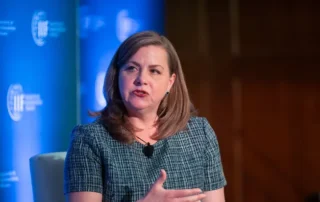
The Federal Reserve is preparing major changes to mortgage regulations in an effort to pull more mortgage activity back into the banking sector. With banks losing significant market share to nonbank lenders over the past decade, Fed Vice Chair for Supervision Michelle Bowman says new proposals may ease capital requirements and make mortgage servicing more attractive for banks. These shifts could have wide‑ranging effects on real estate professionals, lenders, and borrowers as the balance of power in the mortgage market begins to shift once again.