Addressing America’s Housing Crisis: A New Proposal

A photograph of co-op city in the bronx. In a compelling guest essay published by The New York Times, Alexandria Ocasio-Cortez and Tina Smith have put forth a bold vision to tackle the ongoing housing crisis in the United States. The duo argues that America’s housing market, dominated by corporate interests and profit-driven motives, has failed to provide stable and affordable housing for millions of Americans.
Ocasio-Cortez, a Democratic U.S. representative from New York, and Smith, a Democratic U.S. senator from Minnesota, propose a shift towards social housing. They emphasize that “housing is a human right, like food or health care,” and advocate for the introduction of the Homes Act. This legislation aims to establish a federally backed development authority to finance and construct homes that remain affordable by law.
The current housing landscape is bleak for many. In most American counties, even a modest one-bedroom apartment is out of reach for minimum-wage workers. The situation is exacerbated by the increasing influence of large financial firms in the housing market, leaving working families to compete in an unfair bidding war.
The proposed Homes Act would focus on constructing homes that cater to lower-income families, ensuring affordability and stability. Rent would be capped at 25% of a household’s adjusted gross income, and homes would be built to modern, efficient standards, reducing utility costs for residents. This approach draws inspiration from successful models of social housing in places like Vienna.
In the essay, Ocasio-Cortez and Smith highlight existing examples of social housing in the U.S., such as the Electchester complex in Queens and Co-op City in the Bronx, which house over 50,000 New Yorkers. These communities demonstrate the potential for financial and social sustainability in housing cooperatives.
The Homes Act also seeks to repeal the Faircloth Amendment, a 1998 law that restricts the construction of new public housing. By reinvesting federal funds into local public housing authorities, the legislation aims to address the backlog of necessary repairs and improvements.
The proposal recognizes the diverse housing needs across the country, from urban centers like the Bronx to rural communities in Minnesota. By involving local governments, unions, and nonprofits, the Homes Act aims to develop housing solutions that are tailored to the unique landscapes and needs of different regions.
According to research from New York University and the University of California, Berkeley, the bill could potentially build and preserve over 1.25 million homes, benefitting more than 850,000 low-income households. The authors argue that the federal government must take decisive action to provide Americans with a safe, comfortable, and affordable place to call home.
As the housing crisis continues to affect millions, the introduction of the Homes Act represents a significant step towards a more equitable and sustainable housing future.

Join the Conversation

The New York Times encourages readers to share their thoughts on this topic. You can submit your opinions through their Letters to the Editor section.

More Articles

Getting licensed or staying ahead in your career can be a journey—but it doesn’t have to be overwhelming. Grab your favorite coffee or tea, take a moment to relax, and browse through our articles. Whether you’re just starting out or renewing your expertise, we’ve got tips, insights, and advice to keep you moving forward. Here’s to your success—one sip and one step at a time!

NAR’s New MLS Policy Changes Spark Immediate Legal Pushback in Michigan

Just 48 hours after NAR unveiled major revisions to its MLS policies, plaintiffs in the Michigan-based Hardy lawsuit moved to use those changes as evidence, arguing they prove NAR’s prior rules were anticompetitive. NAR denies any wrongdoing, but the case is quickly becoming a key test for whether MLS access should require Realtor membership — a question now echoing across multiple states and potentially reshaping how real estate professionals nationwide access the industry’s most essential tool.

Florida Homeowners Grapple With Soaring Insurance Costs as Lawmakers Push for Reform

Florida homeowners are now paying some of the highest insurance premiums in the country, with average costs topping $5,800 per year—nearly double the national average. Residents report skyrocketing rates, denied claims, and tough choices between costly coverage and financial risk. As frustration grows, lawmakers and consumer advocates are pushing new reforms aimed at increasing transparency, capping rate hikes, and protecting policyholders in one of the nation’s most volatile insurance markets.

Top 2026 Commercial Real Estate Issues Every Pro Should Be Watching

Economic uncertainty, rapid AI adoption, tighter capital flows, and rising portfolio risk are reshaping the 2026 commercial real estate landscape. From shifting workforce patterns to a national housing attainability crisis, the industry is entering a data‑driven, fundamentals‑focused era—making adaptability, education, and tech literacy essential for real estate professionals.

Mortgage Rates Rise as Markets Lose Faith in a December Fed Cut

Mortgage rates have climbed to 6.23 percent as investors grow doubtful that the Federal Reserve will deliver a rate cut in December. A soft but unclear jobs report and persistent inflation have pushed borrowing costs higher, reversing October’s brief relief in the housing market. Real estate and mortgage professionals should prepare clients for continued volatility as the Fed’s December meeting approaches.

Housing Market Poised for a Major 2026 Comeback: What Florida Pros Need to Know

After years of tight inventory, high mortgage rates, and sluggish sales, economists say 2026 is shaping up to be the turnaround real estate professionals have been waiting for. NAR projects a 14 percent jump in home sales, mortgage rates easing toward 6 percent, and buyer demand finally gaining momentum. While higher‑end homes are moving quickly, first‑time buyers continue to face affordability challenges, and price reductions are reappearing as sellers adjust to shifting conditions. For Florida agents, brokers, and newcomers, the stage is being set for a busy and opportunity‑rich year.

Florida Homeowners Hit With Record Insurance Costs as Lawmakers and Residents Demand Reform

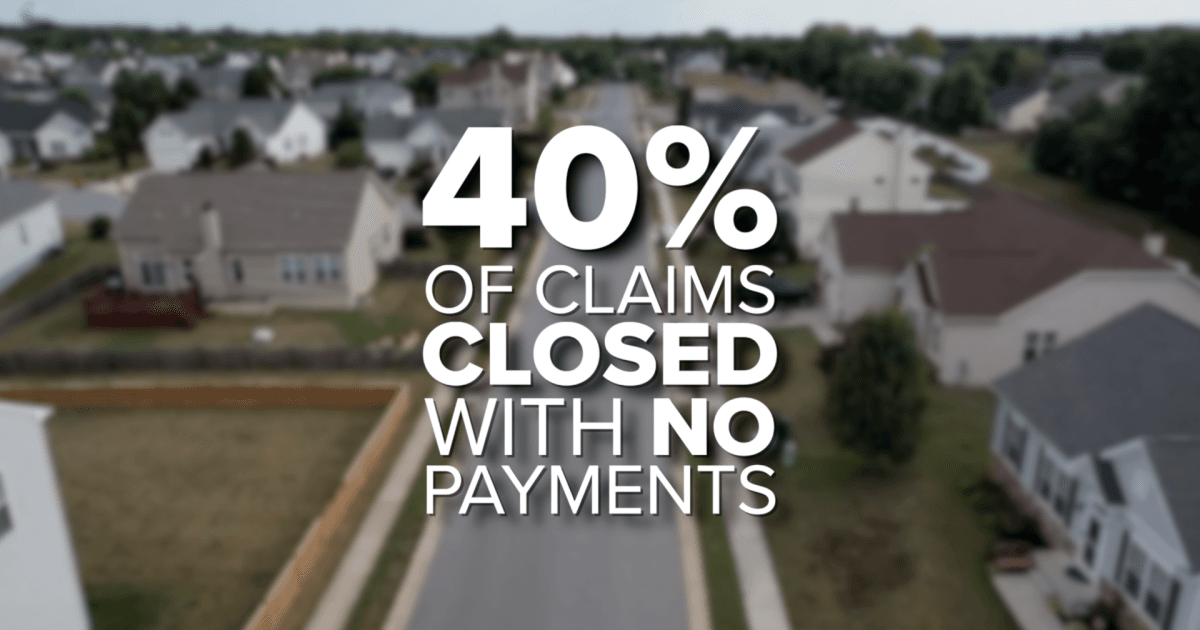
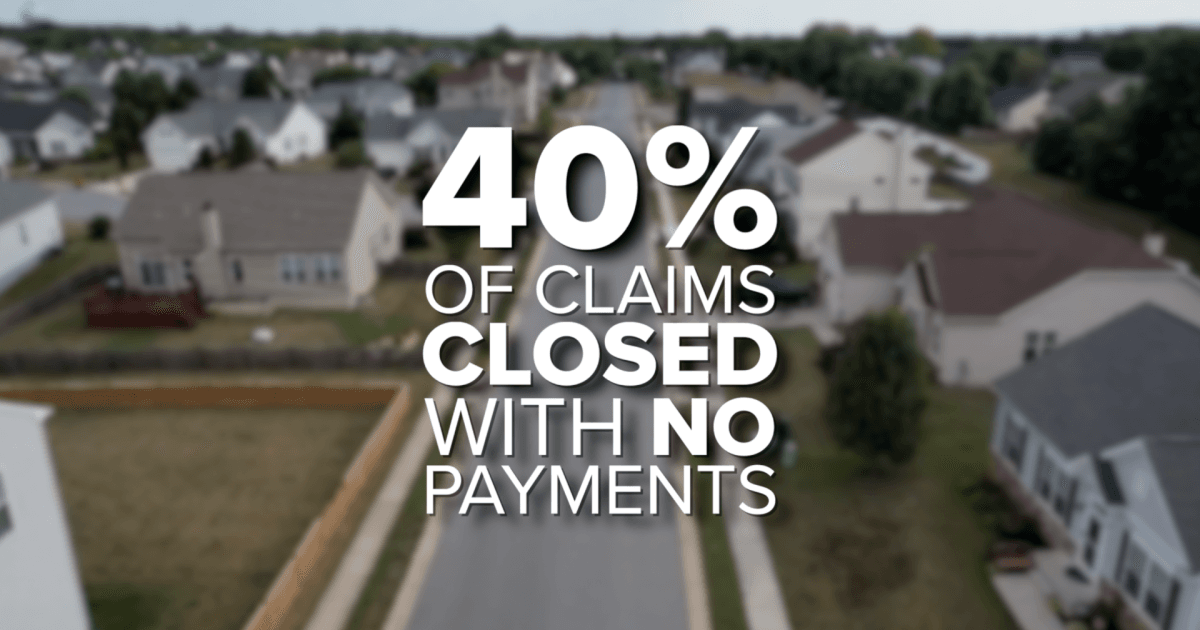
Florida’s average homeowner insurance premium has soared to $5,838 a year—almost $3,000 above the national average—pushing many residents to the financial brink. From tripled premiums to lowball claim payouts, homeowners are speaking out as frustration mounts. Some are even dropping coverage entirely. With more than 40% of claims closed without payment and policy cancellations at record levels, lawmakers are pushing for reforms, but political hurdles remain. The outcome could reshape Florida real estate, insurance, and mortgage markets for years to come.