Addressing America’s Housing Crisis: A New Proposal

A photograph of co-op city in the bronx. In a compelling guest essay published by The New York Times, Alexandria Ocasio-Cortez and Tina Smith have put forth a bold vision to tackle the ongoing housing crisis in the United States. The duo argues that America’s housing market, dominated by corporate interests and profit-driven motives, has failed to provide stable and affordable housing for millions of Americans.
Ocasio-Cortez, a Democratic U.S. representative from New York, and Smith, a Democratic U.S. senator from Minnesota, propose a shift towards social housing. They emphasize that “housing is a human right, like food or health care,” and advocate for the introduction of the Homes Act. This legislation aims to establish a federally backed development authority to finance and construct homes that remain affordable by law.
The current housing landscape is bleak for many. In most American counties, even a modest one-bedroom apartment is out of reach for minimum-wage workers. The situation is exacerbated by the increasing influence of large financial firms in the housing market, leaving working families to compete in an unfair bidding war.
The proposed Homes Act would focus on constructing homes that cater to lower-income families, ensuring affordability and stability. Rent would be capped at 25% of a household’s adjusted gross income, and homes would be built to modern, efficient standards, reducing utility costs for residents. This approach draws inspiration from successful models of social housing in places like Vienna.
In the essay, Ocasio-Cortez and Smith highlight existing examples of social housing in the U.S., such as the Electchester complex in Queens and Co-op City in the Bronx, which house over 50,000 New Yorkers. These communities demonstrate the potential for financial and social sustainability in housing cooperatives.
The Homes Act also seeks to repeal the Faircloth Amendment, a 1998 law that restricts the construction of new public housing. By reinvesting federal funds into local public housing authorities, the legislation aims to address the backlog of necessary repairs and improvements.
The proposal recognizes the diverse housing needs across the country, from urban centers like the Bronx to rural communities in Minnesota. By involving local governments, unions, and nonprofits, the Homes Act aims to develop housing solutions that are tailored to the unique landscapes and needs of different regions.
According to research from New York University and the University of California, Berkeley, the bill could potentially build and preserve over 1.25 million homes, benefitting more than 850,000 low-income households. The authors argue that the federal government must take decisive action to provide Americans with a safe, comfortable, and affordable place to call home.
As the housing crisis continues to affect millions, the introduction of the Homes Act represents a significant step towards a more equitable and sustainable housing future.

Join the Conversation

The New York Times encourages readers to share their thoughts on this topic. You can submit your opinions through their Letters to the Editor section.

More Articles

Getting licensed or staying ahead in your career can be a journey—but it doesn’t have to be overwhelming. Grab your favorite coffee or tea, take a moment to relax, and browse through our articles. Whether you’re just starting out or renewing your expertise, we’ve got tips, insights, and advice to keep you moving forward. Here’s to your success—one sip and one step at a time!

Florida’s Long‑Standing Condo Lending Restrictions May Finally End This December

After nearly 20 years under uniquely harsh lending rules, Florida may finally see its condo market freed from a 25% down payment requirement imposed only on the state. Industry leaders say Fannie Mae could announce changes as early as December—potentially restoring the standard 10% down payment used everywhere else in the country. Experts believe the shift would boost maintenance funding, improve affordability, and stabilize Florida’s condo market after years of strain.

Confidence Surges in Phoenix as Commercial Real Estate Rebounds in 2025

Phoenix’s commercial real estate market is shaking off years of uncertainty as broker optimism hits its highest level since interest rates began climbing. The latest ASU Commercial Broker Sentiment Index soared to 62.7, signaling strong confidence across multifamily, retail, office, and capital markets. With population growth accelerating, interest rates easing, and AI boosting industry efficiency, Phoenix is positioning itself for a powerful run into 2026—offering meaningful opportunities for both new and seasoned real estate professionals.

Michigan Lawmakers Consider Allowing All Continuing Education Hours to Be Completed Online

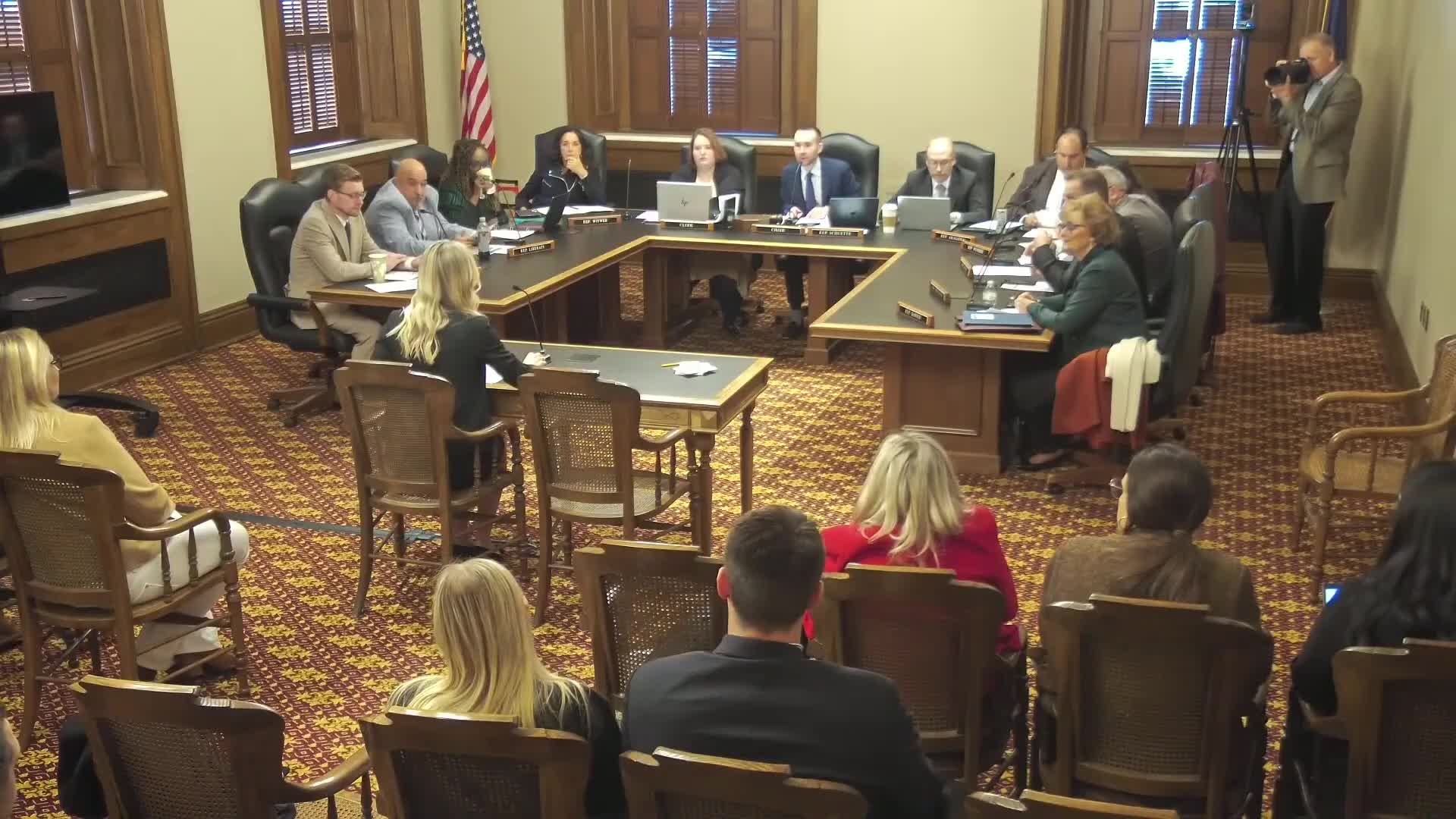
Michigan’s House Rules Committee heard testimony on a proposal that would let licensed professionals complete all required continuing education online. Supporters say the change would modernize outdated rules, reduce costs, and improve access for rural and busy workers. The state licensing department backs the measure, and lawmakers noted it could reshape CE options across industries from real estate to insurance and healthcare.

Florida’s Home Insurance Crisis Reaches a Breaking Point as Premiums Skyrocket

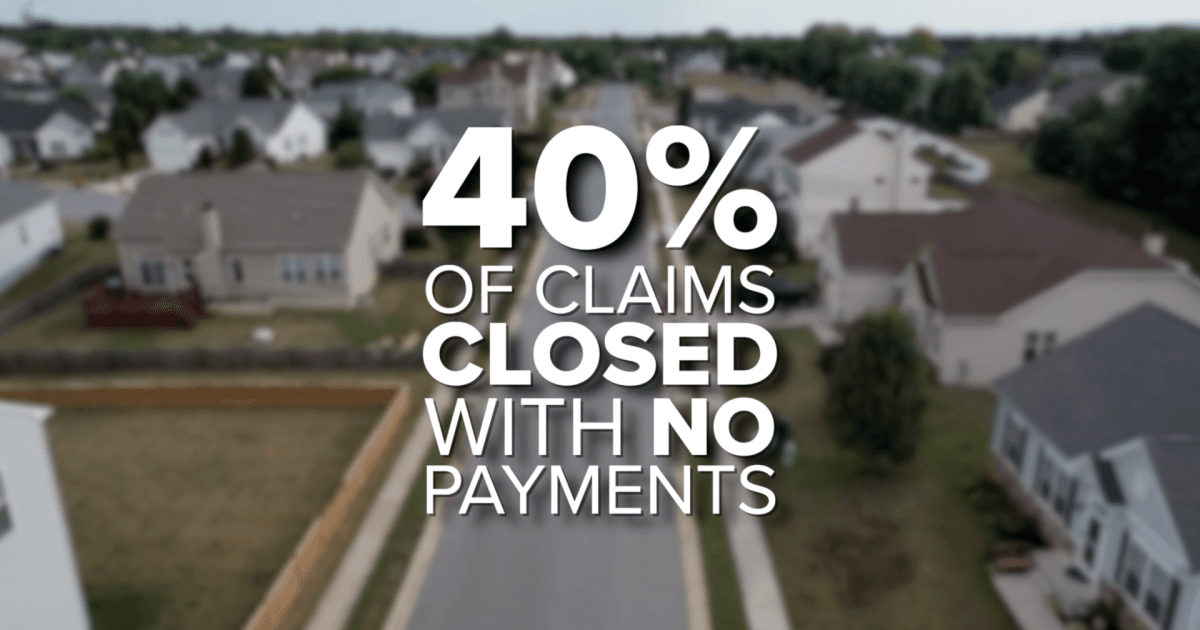
Florida homeowners are now paying an average of $5,838 per year for insurance — nearly $3,000 above the national average — making it one of the most expensive states in the country. As premiums continue to triple for some residents, many are being forced into tough decisions, from delaying home improvements to dropping coverage altogether. With more than 40% of claims closed with no payment and lawmakers pushing for aggressive reforms, the crisis is reshaping Florida’s housing market and placing growing pressure on real estate, mortgage, and insurance professionals statewide.

Griffin Funding Names John Jones SVP of Growth as It Sets Sights on $3B Non-QM Volume by 2030

Griffin Funding has elevated John Jones to Senior Vice President of Growth and EOS Integrator, marking a major step in the company’s long-term expansion strategy. Already a key operational leader since April 2025, Jones will now drive performance optimization, market expansion, and leadership development as the lender pursues an ambitious goal of reaching $3 billion in annual non-QM loan volume by 2030. His promotion underscores Griffin Funding’s commitment to scaling strategically while strengthening its position in the fast-growing non-QM space.

Why Lower Rates Still Haven’t Unlocked Commercial Real Estate

Despite recent Federal Reserve rate cuts, commercial real estate remains frozen. Long‑term Treasury yields continue to climb, keeping borrowing costs high and preventing the relief investors expected. With nearly $1 trillion in commercial loans coming due, refinancing at today’s elevated rates is squeezing owners, slowing transactions, and creating a widening gap between buyers and sellers. For patient, well‑capitalized investors, this period of recalibration may offer some of the strongest opportunities in years.