Addressing America’s Housing Crisis: A New Proposal

A photograph of co-op city in the bronx. In a compelling guest essay published by The New York Times, Alexandria Ocasio-Cortez and Tina Smith have put forth a bold vision to tackle the ongoing housing crisis in the United States. The duo argues that America’s housing market, dominated by corporate interests and profit-driven motives, has failed to provide stable and affordable housing for millions of Americans.
Ocasio-Cortez, a Democratic U.S. representative from New York, and Smith, a Democratic U.S. senator from Minnesota, propose a shift towards social housing. They emphasize that “housing is a human right, like food or health care,” and advocate for the introduction of the Homes Act. This legislation aims to establish a federally backed development authority to finance and construct homes that remain affordable by law.
The current housing landscape is bleak for many. In most American counties, even a modest one-bedroom apartment is out of reach for minimum-wage workers. The situation is exacerbated by the increasing influence of large financial firms in the housing market, leaving working families to compete in an unfair bidding war.
The proposed Homes Act would focus on constructing homes that cater to lower-income families, ensuring affordability and stability. Rent would be capped at 25% of a household’s adjusted gross income, and homes would be built to modern, efficient standards, reducing utility costs for residents. This approach draws inspiration from successful models of social housing in places like Vienna.
In the essay, Ocasio-Cortez and Smith highlight existing examples of social housing in the U.S., such as the Electchester complex in Queens and Co-op City in the Bronx, which house over 50,000 New Yorkers. These communities demonstrate the potential for financial and social sustainability in housing cooperatives.
The Homes Act also seeks to repeal the Faircloth Amendment, a 1998 law that restricts the construction of new public housing. By reinvesting federal funds into local public housing authorities, the legislation aims to address the backlog of necessary repairs and improvements.
The proposal recognizes the diverse housing needs across the country, from urban centers like the Bronx to rural communities in Minnesota. By involving local governments, unions, and nonprofits, the Homes Act aims to develop housing solutions that are tailored to the unique landscapes and needs of different regions.
According to research from New York University and the University of California, Berkeley, the bill could potentially build and preserve over 1.25 million homes, benefitting more than 850,000 low-income households. The authors argue that the federal government must take decisive action to provide Americans with a safe, comfortable, and affordable place to call home.
As the housing crisis continues to affect millions, the introduction of the Homes Act represents a significant step towards a more equitable and sustainable housing future.

Join the Conversation

The New York Times encourages readers to share their thoughts on this topic. You can submit your opinions through their Letters to the Editor section.

More Articles

Getting licensed or staying ahead in your career can be a journey—but it doesn’t have to be overwhelming. Grab your favorite coffee or tea, take a moment to relax, and browse through our articles. Whether you’re just starting out or renewing your expertise, we’ve got tips, insights, and advice to keep you moving forward. Here’s to your success—one sip and one step at a time!

Florida’s Insurance Market Meltdown: Why New Reforms Are Repeating Old Mistakes

Florida’s property insurance system is once again spiraling as new “market-friendly” reforms fail to stabilize rising premiums, insurer failures, and mounting homeowner frustration. Despite aggressive efforts to shift policyholders from Citizens to private carriers, many of the new insurers stepping in are tied to past insolvencies, questionable ratings, and political influence. For real estate, mortgage, and insurance professionals, these systemic cracks are reshaping closings, valuations, and risk across the state—making it essential to stay ahead of ongoing regulatory and market shifts.

Top 2026 Commercial Real Estate Issues: The Trends Professionals Must Watch

Commercial real estate is heading into a turning‑point year in 2026, driven by economic uncertainty, AI‑powered transformation, shifting demographics and rising portfolio risk. Insights from The Counselors of Real Estate highlight the top issues shaping the year ahead—from fiscal pressures and capital constraints to housing shortages, global volatility and the future of data‑driven decision‑making. For real estate, mortgage, insurance and finance professionals, these trends offer a clear roadmap for staying competitive and preparing for the next wave of industry change.

The Tech Wave Transforming Real Estate in 2025

AI-powered tools, fraud protection systems, and smarter MLS integrations are sweeping through the real estate industry as major organizations adopt new technologies. From RealReports hitting its 50th partnership to BeachesMLS unveiling instant AI home visualizations and Doorify boosting security, professionals are seeing rapid advancements that promise sharper insights, safer transactions, and more efficient rental workflows. This evolving tech landscape underscores the importance of staying educated and adaptable — especially for agents preparing for a competitive, AI-enhanced 2025 market.

Florida’s Insurance Crisis Deepens as Premiums Soar and Claims Go Unpaid

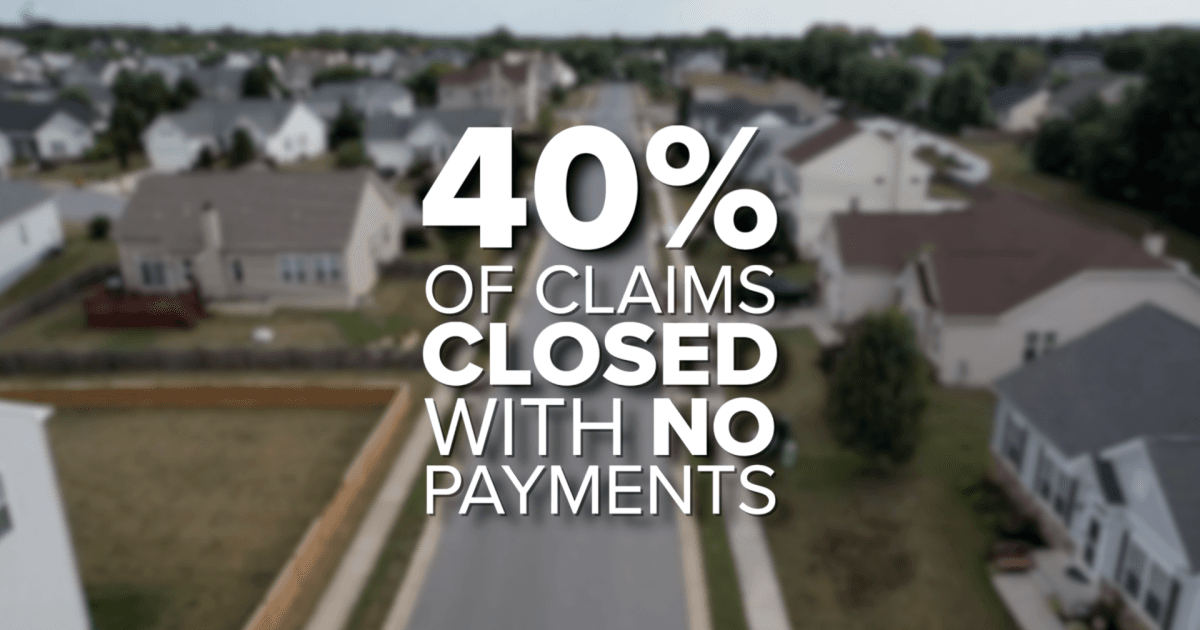
Florida homeowners are being hit with the highest insurance premiums in the nation, averaging $5,838 per year—nearly double the U.S. average. As costs skyrocket, many residents are reporting denied claims, non‑renewals, and impossible financial choices. New investigations reveal that more than 40 percent of claims in Florida close with no payment, while lawmakers push for transparency, fair pricing, and meaningful reform to stabilize a market that’s rapidly becoming unsustainable.

AI-Powered Parking Startup Vend Park Secures $17.5M to Transform a Forgotten Real Estate Asset

Vend Park, a Boston-based proptech company, has raised $17.5 million in Series A funding to reinvent parking as a high-performing commercial real estate asset. By replacing outdated operator–vendor systems with a unified AI-driven platform, Vend Park is helping major property owners boost NOI by up to 30%, slash operating costs, and modernize the tenant experience. As the company expands from three to fifteen cities and partners with giants like Nuveen and Jamestown, its technology highlights a major shift: real estate professionals must now understand AI, automation, and digital infrastructure to stay competitive.

Keller Williams Atlanta Partners Teams Up with Southeast Mortgage in a Major Georgia Market Shake‑Up

Keller Williams Realty Atlanta Partners has formed an exclusive partnership with Southeast Mortgage, Georgia’s largest non‑bank mortgage lender. The collaboration promises faster, tech‑enhanced transactions for both agents and homebuyers, combining real estate expertise with streamlined mortgage services. This move reflects a growing trend toward integrated real‑estate ecosystems designed to reduce delays, boost transparency, and modernize the homebuying experience.