AI Assistance in Radiology: A Nuanced Tool for Diagnostic Precision
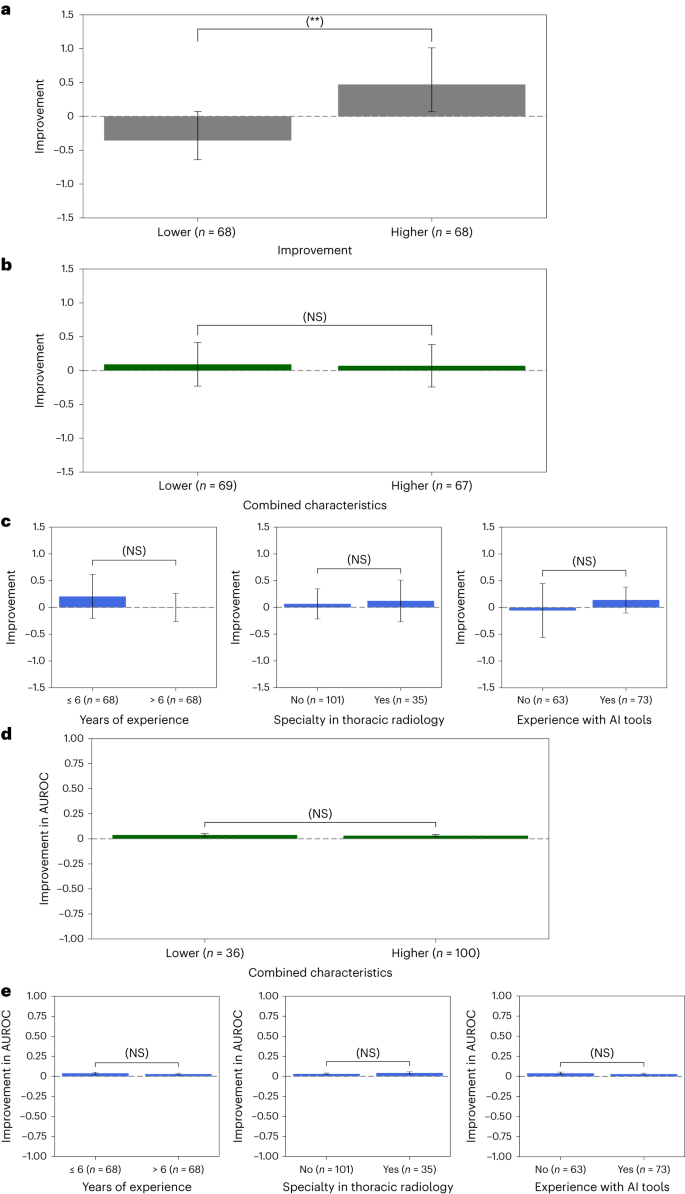
In a groundbreaking study published by Nature on March 19, 2024, researchers have unveiled the complex dynamics of artificial intelligence (AI) assistance in radiology, emphasizing the need for personalized strategies to harness its full potential. The study, titled “Heterogeneity and Predictors of the Effects of AI Assistance on Radiologists,” delves into how AI impacts diagnostic accuracy across a diverse group of clinicians.
The research, conducted on 140 radiologists performing 15 diagnostic tasks, highlights significant variability in AI’s effectiveness. This variation underscores the necessity for tailored approaches in clinical settings to optimize AI’s benefits. The study’s findings are pivotal, as they suggest that a one-size-fits-all approach to AI assistance in healthcare may not be effective.
One of the critical insights from the study is the heterogeneous nature of AI’s impact, which varies significantly based on individual clinician characteristics and the quality of AI predictions. This variability suggests that while some radiologists may experience enhanced diagnostic accuracy with AI assistance, others might not benefit as much, or could even be hindered by it.
The study is part of a growing body of research exploring AI’s role in healthcare. For instance, earlier works like CheXNet and Deep Learning for Chest Radiograph Diagnosis have paved the way for understanding AI’s capabilities in medical imaging. This latest research builds on these foundations, offering a more nuanced view of AI’s role in clinical practice.
Key Takeaways:
AI assistance in radiology shows significant variability in effectiveness across different radiologists.
Individualized strategies are crucial for optimizing AI’s benefits in clinical settings.
Quality of AI predictions plays a significant role in determining its impact on diagnostic accuracy.
The study’s findings are a call to action for healthcare providers and AI developers to collaborate closely. By understanding the factors that influence AI’s effectiveness, they can develop more refined tools that cater to the unique needs of each clinician. This approach not only enhances diagnostic precision but also fosters greater trust and acceptance of AI in healthcare.
For more detailed insights, you can access the full study on Nature’s website.
More Articles
Getting licensed or staying ahead in your career can be a journey—but it doesn’t have to be overwhelming. Grab your favorite coffee or tea, take a moment to relax, and browse through our articles. Whether you’re just starting out or renewing your expertise, we’ve got tips, insights, and advice to keep you moving forward. Here’s to your success—one sip and one step at a time!
Tokenization has surged from crypto niche to global financial disruptor as institutions like Robinhood, BlackRock, and Coinbase race to digitize real-world assets. With pro‑crypto political momentum, shifting regulations, and private companies resisting newfound transparency, this emerging wave is transforming how investments are bought, sold, and accessed. For professionals in real estate, finance, lending, and insurance, this shift signals massive opportunity—and equally massive responsibility—as the next era of asset ownership takes shape.
Florida homeowners are finally getting relief as Citizens Property Insurance announces an average 8.7% statewide rate reduction for 2026, with South Florida seeing cuts as high as 14%. Driven by recent tort reforms and a stabilizing market, these decreases signal a major turnaround for an industry once on the brink of collapse — and a potential boost for real estate activity across the state.
After years of roller‑coaster chaos, the 2026 U.S. housing market is easing into something professionals haven’t seen in a long time: balance. Inventory growth has slowed to just 10% year over year—down sharply from 2025’s surge—signaling the end of the pandemic‑era scarcity and the rise of a market driven by real‑time demand and interest rates. With seasonal patterns returning, negotiations replacing bidding wars and rates drifting toward 6%, agents, lenders and investors are finally navigating conditions that look… normal.
More than half of Gen Z investors say they entered the stock market because of social media—not textbooks, not advisors. Viral creators, AI tools, and crypto trends are reshaping how young adults learn about money, invest early, and chase financial freedom. This Fortune‑featured shift highlights a generation determined to build wealth fast, trust digital voices over traditional institutions, and redefine financial education for the future.
After years of extremes, the U.S. housing market is shifting into a more balanced, predictable phase. Inventory growth has cooled from last year’s surge, seasonality is returning, and pricing is becoming increasingly rate‑sensitive. With mortgage rates hovering near 6% and policy changes reshaping investor participation, 2026 is emerging as a negotiation‑driven market where skilled agents, lenders, builders, and investors have a renewed advantage. This new landscape rewards strategy, education, and real‑time demand awareness—making it an ideal moment for professionals to refine their approach and capitalize on the market’s normalization.
A sudden policy shift at the start of 2026 is already pushing mortgage rates lower, dipping them under 6% for the first time in months. New projections suggest the government-sponsored enterprises’ $200 billion in mortgage‑backed securities purchases could accelerate rate declines throughout the year, boosting affordability, home sales, and overall market activity for buyers, sellers, and real estate professionals alike.