AI in Healthcare: A Transformative Force Today and Tomorrow
In the ever-evolving landscape of healthcare, artificial intelligence (AI) has transcended its experimental roots to become an integral part of the system. As reported in a recent Forbes article, AI-powered tools are now delivering tangible improvements in patient outcomes, operational efficiency, and cost savings.
Current AI Applications in Healthcare
AI is reshaping the healthcare ecosystem through various applications. From enhancing diagnostic accuracy to optimizing administrative processes, its impact is profound. Here are some notable examples:
Diagnostics: AI algorithms are improving diagnostic accuracy and efficiency. Google Cloud Healthcare is using AI to enhance diagnostic speed and accuracy, while Butterfly Network’s ultrasound device provides accessible point-of-care imaging.
Drug Discovery: AI accelerates drug development by simulating molecular interactions. Companies like Insilico Medicine are using AI to identify promising drug candidates swiftly.
Personalized Medicine: AI analyzes patient data for personalized treatment plans. Tempus Labs leverages AI to tailor cancer treatments.
Remote Monitoring: AI-enabled devices enhance remote patient monitoring. Livongo Health uses AI for diabetes management.
Predictive Analytics: Health systems like Kaiser Permanente use AI to identify high-risk patients and prevent readmissions.
Administrative Tasks: AI streamlines administrative tasks, reducing burdens on providers. Cedar’s platform automates billing processes.
Clinical Decision Support: Companies like Epic Systems integrate AI-powered tools into electronic health records for real-time recommendations.
Future Innovations on the Horizon
Looking ahead, AI’s potential in healthcare is vast. Innovations such as predictive healthcare models, AI-driven telehealth, and robotic surgery are expected to emerge in the next few years. These advancements promise to shift the focus from reactive to predictive healthcare, offering early interventions and personalized care.
Challenges and Barriers
Despite its promise, AI in healthcare faces hurdles. Data privacy, integration with legacy systems, regulatory approval, ethical considerations, and trust are significant challenges that need addressing.
Action Steps for Embracing AI
To harness AI’s benefits, healthcare organizations and professionals can take strategic steps:
Healthcare Organizations: Start small, invest in data infrastructure, develop an AI roadmap, and partner strategically.
Healthcare Professionals: Embrace continuous learning, participate in pilots, and focus on AI-human collaboration.
Patients: Stay informed, ask questions, and share data responsibly.
AI tools are already delivering significant value and are poised to further transform healthcare. Embracing these changes today will position organizations and individuals to capture the long-term benefits of a more effective, efficient, and personalized healthcare system.
More Articles
Getting licensed or staying ahead in your career can be a journey—but it doesn’t have to be overwhelming. Grab your favorite coffee or tea, take a moment to relax, and browse through our articles. Whether you’re just starting out or renewing your expertise, we’ve got tips, insights, and advice to keep you moving forward. Here’s to your success—one sip and one step at a time!
"AI and machine learning are emerging as powerful technologies to address this issue, improving the accuracy of medical diagnosis and revolutionizing healthcare with their myriad applications."
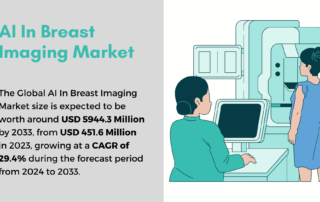
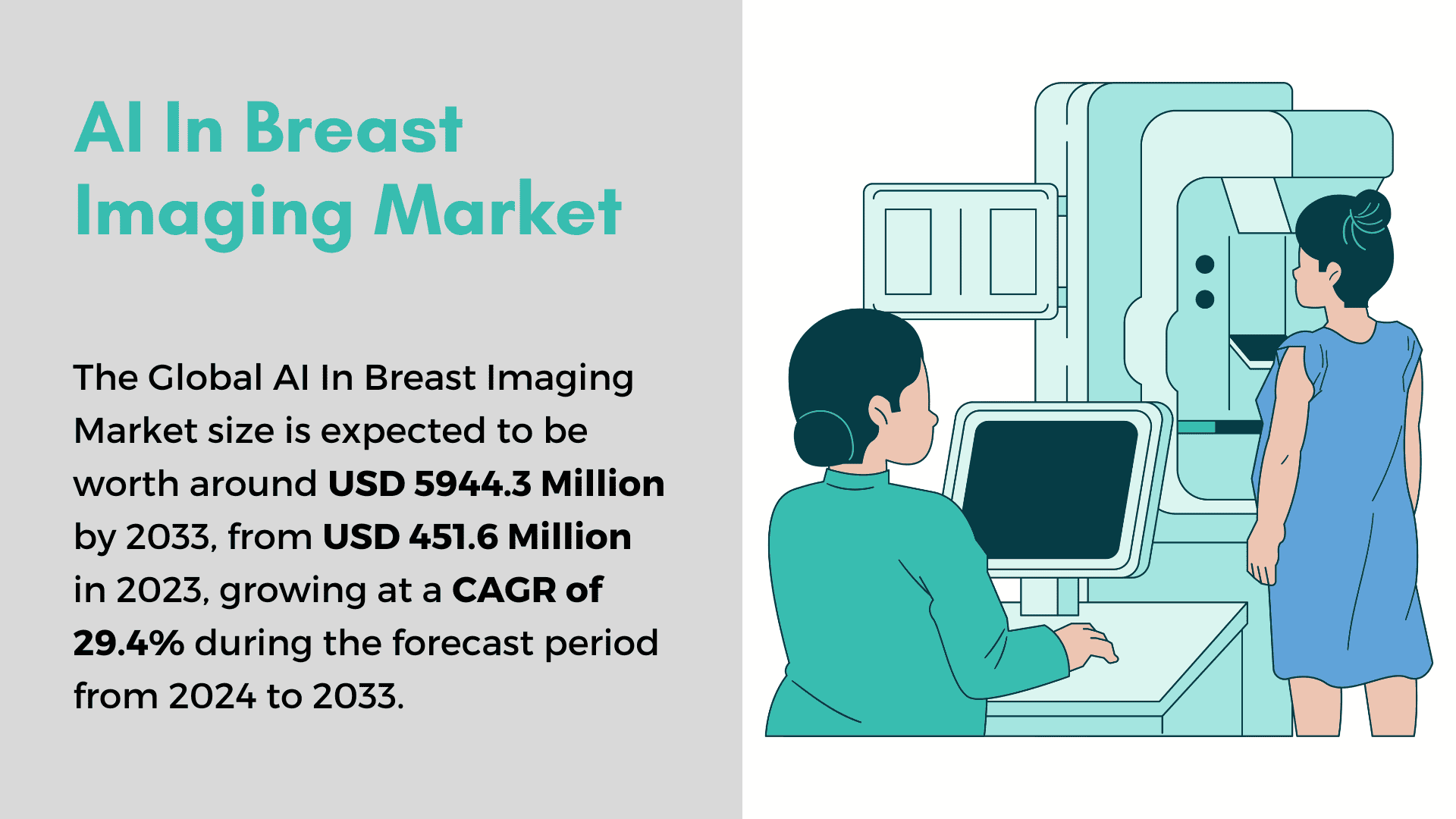
The global AI in breast imaging market is on a remarkable growth trajectory, projected to swell from USD 451.6 million in 2023 to an impressive USD 5944.3 million by 2033. This represents a compound annual growth rate (CAGR) of 29.4%, primarily driven by cutting-edge advancements in AI technologies that significantly enhance diagnostic accuracy, facilitate early detection, and boost healthcare efficiency.
Virtual real estate in metaverses is becoming a focal point for investors worldwide, with digital plots of land mirroring traditional real estate value based on location, size, and platform popularity.
Artificial intelligence (AI) and machine learning are at the forefront of revolutionizing in-vitro diagnostic (IVD) tools, redefining diagnostics and enhancing healthcare outcomes on multiple fronts.
As we edge closer to 2030, the life sciences industry stands on the threshold of transformative changes. With a global valuation exceeding $2 trillion, the sector is poised for significant growth, driven by technological advancements and an aging population.
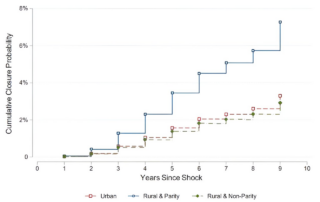
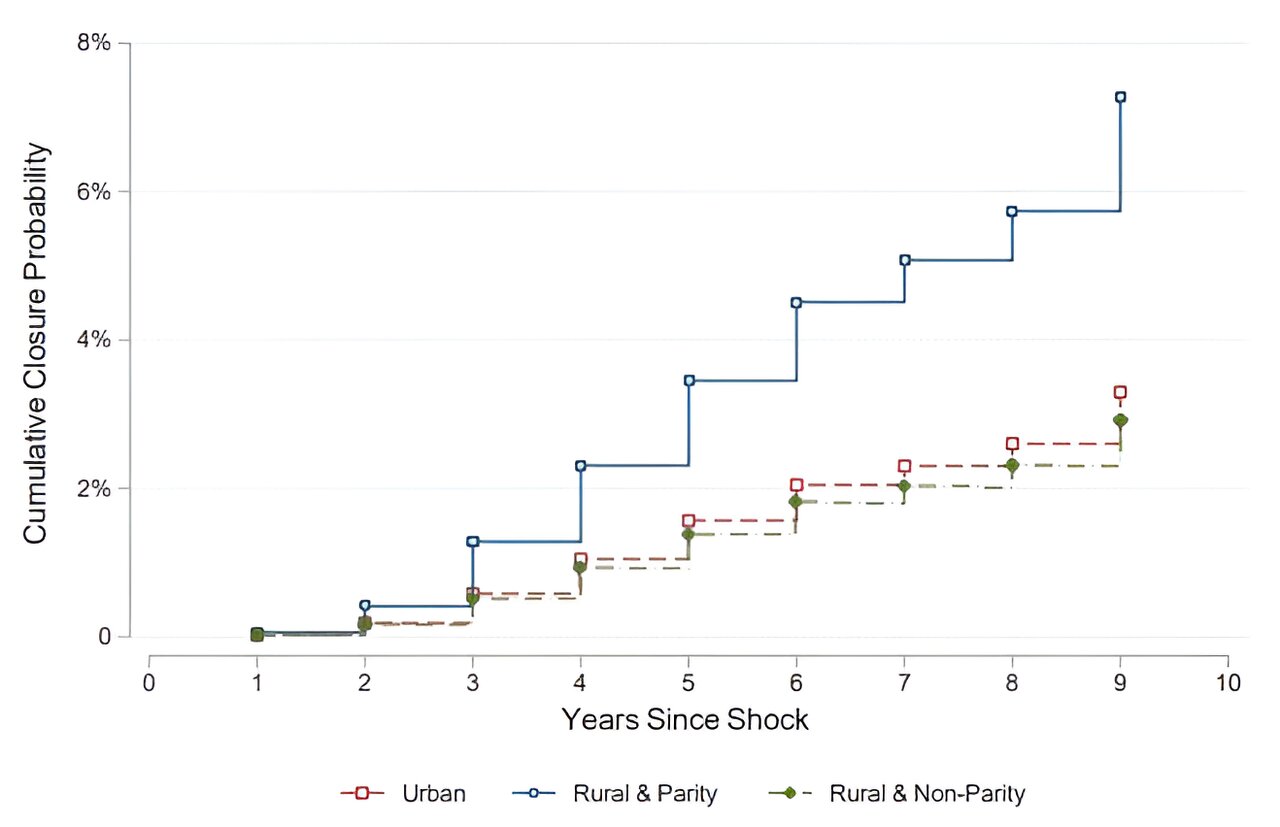
The advent of telehealth has revolutionized the way patients, particularly those in rural areas, access health care. By offering remote consultations and follow-up care, telehealth provides a convenient alternative to traveling long distances to urban hospitals. However, this technological advancement brings with it a set of challenges that could reshape the rural health care landscape.

 In the ever-evolving landscape of healthcare, artificial intelligence (AI) has transcended its experimental roots to become an integral part of the system. As reported in a recent