AI in Healthcare: A Transformative Force Today and Tomorrow

Healthcare trends and innovative technologies In the ever-evolving landscape of healthcare, artificial intelligence (AI) has transcended its experimental roots to become an integral part of the system. As reported in a recent Forbes article, AI-powered tools are now delivering tangible improvements in patient outcomes, operational efficiency, and cost savings.

Current AI Applications in Healthcare
AI is reshaping the healthcare ecosystem through various applications. From enhancing diagnostic accuracy to optimizing administrative processes, its impact is profound. Here are some notable examples:
  • Diagnostics: AI algorithms are improving diagnostic accuracy and efficiency. Google Cloud Healthcare is using AI to enhance diagnostic speed and accuracy, while Butterfly Network’s ultrasound device provides accessible point-of-care imaging.
  • Drug Discovery: AI accelerates drug development by simulating molecular interactions. Companies like Insilico Medicine are using AI to identify promising drug candidates swiftly.
  • Personalized Medicine: AI analyzes patient data for personalized treatment plans. Tempus Labs leverages AI to tailor cancer treatments.
  • Remote Monitoring: AI-enabled devices enhance remote patient monitoring. Livongo Health uses AI for diabetes management.
  • Predictive Analytics: Health systems like Kaiser Permanente use AI to identify high-risk patients and prevent readmissions.
  • Administrative Tasks: AI streamlines administrative tasks, reducing burdens on providers. Cedar’s platform automates billing processes.
  • Clinical Decision Support: Companies like Epic Systems integrate AI-powered tools into electronic health records for real-time recommendations.

Future Innovations on the Horizon
Looking ahead, AI’s potential in healthcare is vast. Innovations such as predictive healthcare models, AI-driven telehealth, and robotic surgery are expected to emerge in the next few years. These advancements promise to shift the focus from reactive to predictive healthcare, offering early interventions and personalized care.
Challenges and Barriers
Despite its promise, AI in healthcare faces hurdles. Data privacy, integration with legacy systems, regulatory approval, ethical considerations, and trust are significant challenges that need addressing.
Action Steps for Embracing AI
To harness AI’s benefits, healthcare organizations and professionals can take strategic steps:
  • Healthcare Organizations: Start small, invest in data infrastructure, develop an AI roadmap, and partner strategically.
  • Healthcare Professionals: Embrace continuous learning, participate in pilots, and focus on AI-human collaboration.
  • Patients: Stay informed, ask questions, and share data responsibly.

AI tools are already delivering significant value and are poised to further transform healthcare. Embracing these changes today will position organizations and individuals to capture the long-term benefits of a more effective, efficient, and personalized healthcare system.

More Articles

Getting licensed or staying ahead in your career can be a journey—but it doesn’t have to be overwhelming. Grab your favorite coffee or tea, take a moment to relax, and browse through our articles. Whether you’re just starting out or renewing your expertise, we’ve got tips, insights, and advice to keep you moving forward. Here’s to your success—one sip and one step at a time!

2025 Commercial Real Estate Outlook: Navigating a New Era

The commercial real estate landscape is on the brink of transformation as leaders seek to navigate the challenges of recent years and position their organizations for future opportunities.

The Emerging Mental Health Crisis Among Healthcare Workers During the COVID-19 Pandemic

The pandemic has ushered in a wave of mental health challenges that affect healthcare workers profoundly. From the onset of COVID-19, these professionals have been at the forefront, facing immense pressure, long hours, and the constant fear of exposure.

By |December 18, 2024|Categories: Article, Healthcare Workers, Mental Health|Tags: , |0 Comments

Ethical Concerns of Large Language Models in Healthcare

Exploring the dual nature of LLMs offers substantial benefits in healthcare but also raises significant ethical concerns, underscoring the need for well-defined guidelines and human oversight.

The Role of Wearable Devices in Chronic Disease Monitoring and Patient Care: A Comprehensive Review

Wearable devices have become integral in managing chronic conditions by providing continuous health data, empowering patients and healthcare professionals with insights that were previously unattainable.

AI Training Mandates: Navigating Legal Waters in Dentistry

The integration of artificial intelligence (AI) into dental practices is more than a technological trend; it represents a seismic shift in the industry. This transformation is reshaping skill sets and prompting a thorough examination of legal and ethical implications.

By |December 17, 2024|Categories: Article, Legal, Technology|Tags: , |0 Comments

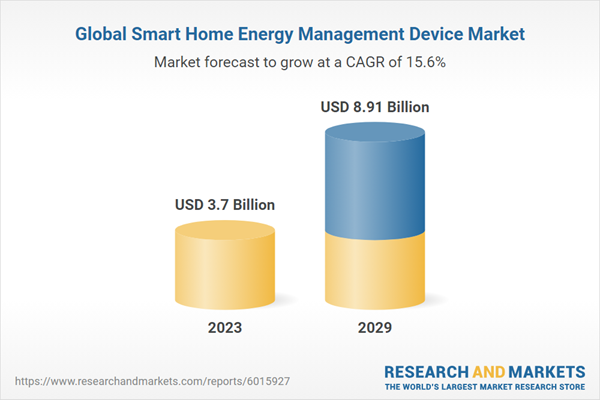
Smart Home Energy Management Devices: A Market Poised for Growth

The Global Smart Home Energy Management Device Market is on the brink of a significant transformation, driven by escalating demands for energy-efficient solutions and the increasing adoption of smart home technologies.