In the bustling world of healthcare innovation, artificial intelligence (AI) is rapidly becoming a pivotal force, promising to transform the way we experience medical care. This October, Northeastern University’s Institute for Experiential AI will host a groundbreaking workshop and conference aimed at exploring AI’s potential in healthcare, particularly in the realm of precision health.

AI in Healthcare: A Seamless Revolution

“If AI is working the way that we envision it, you actually won’t notice a lot of direct impact,” says Sam Scarpino, the AI+Life Sciences director at Northeastern University. The vision is for AI to operate quietly in the background, much like a well-oiled engine, enhancing the efficiency of medical processes and enabling earlier detection of diseases, such as cancer.

Gene Tunik, the AI+Health director, echoes this sentiment, emphasizing that AI should function seamlessly, optimizing drug development, cancer diagnosis, and medical data management. Despite these advancements, AI is not yet universally adopted in healthcare settings due to challenges in accuracy, cost, and data quality.

Upcoming Events: Workshops and Conferences

To address these challenges and opportunities, Northeastern University will host two significant events. On October 9, the Future of AI in Health & Life Sciences Workshop will gather experts to discuss integrating AI into healthcare training. The following day, October 10, the State of AI in Precision Health Conference will focus on precision health, a highly individualized approach to medicine.

Precision Health: The Future of Medicine

Precision health requires physicians to analyze vast amounts of data quickly to meet specific health objectives. As Usama Fayyad, the institute’s executive director, explains, AI’s ability to process data efficiently makes it an invaluable tool in this area. The conference will feature discussions on AI’s role in drug discovery, aging in place, and patient care.

A Computational Transformation

Raimond Winslow, director of life sciences and medicine research, highlights that medicine is increasingly becoming a computational discipline. This transformation, akin to the shift in biology over the past two decades, means that AI will play a crucial role in informing healthcare decisions.

As Northeastern University prepares to lead these vital discussions, the healthcare industry stands on the brink of a transformation that will redefine patient care in the AI era.

More Articles

Getting licensed or staying ahead in your career can be a journey—but it doesn’t have to be overwhelming. Grab your favorite coffee or tea, take a moment to relax, and browse through our articles. Whether you’re just starting out or renewing your expertise, we’ve got tips, insights, and advice to keep you moving forward. Here’s to your success—one sip and one step at a time!

Wearable Technology: A New Frontier in Heart Failure Management

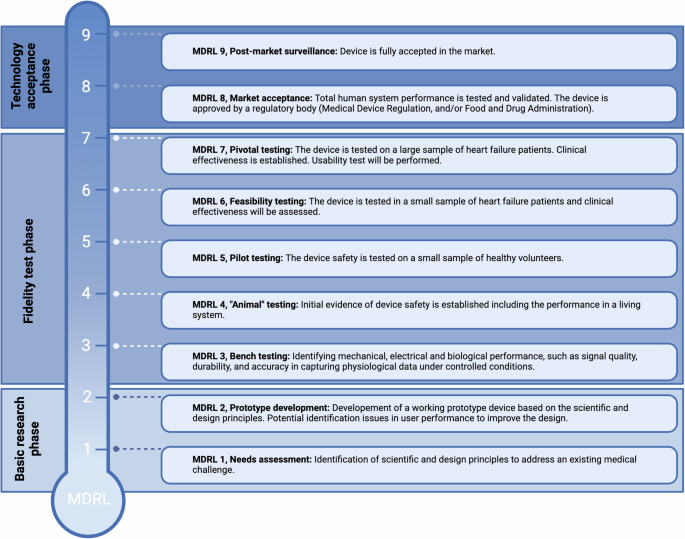
Wearable devices offer a personalized and empowering experience for patients, potentially becoming a vital component of modern heart failure management. Yet, the review underscores a significant barrier: the lack of rigorous evaluations.

AI’s Impact on Finance: Transformative Trends and Future Prospects

In the ever-evolving landscape of finance, the integration of AI technology is revolutionizing how financial institutions operate, interact with customers, and make strategic decisions.

By |December 15, 2024|Categories: Article, Finance, Technology|Tags: , |0 Comments

Blockchain and Microcredit: A New Dawn for Financial Inclusion in Kenya?

In Kenya, a financial revolution is quietly unfolding with the emergence of blockchain-based microcredit, promising to enhance financial inclusion by addressing accessibility and trust challenges inherent in traditional banking systems.

By |December 14, 2024|Categories: Article, Financial Inclusion, Financial Technology|Tags: , |0 Comments

The Revolutionary Role of Digital Twins in Precision Health

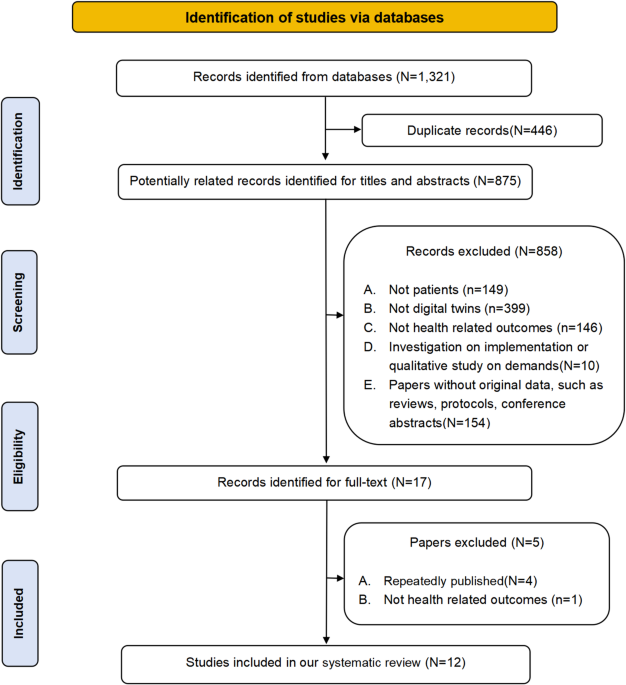
Digital twins are emerging as a pivotal technology in the realm of precision health, revolutionizing patient outcomes through personalized health management, precision therapies, and risk prediction.

The 3D Printing Construction Market: A Future of Growth and Innovation

The global 3D printing construction market is on the brink of a remarkable transformation. Currently valued at USD 0.34 billion in 2023, it is projected to surge to USD 910 million by 2024, and ultimately reach USD 2.3 billion by 2032.

The Growing Role of Telehealth in Nursing: A New Frontier for Patient Care

As the world of healthcare continues to evolve, nurses are at the forefront, embracing telehealth technology to revolutionize patient care. With the increased demand on healthcare systems due to an aging population and ongoing nursing shortages, telehealth is becoming an indispensable tool for nurses, enhancing patient outcomes and expanding access to quality healthcare.

By |December 14, 2024|Categories: Article, Nursing, Telehealth|Tags: , |0 Comments