AI in Medical Diagnosis: Revolutionizing Healthcare Standards
The integration of artificial intelligence in the medical domain is rapidly transforming healthcare, particularly in the realms of disease diagnostics and therapeutic management. This technological advancement is not just a fleeting trend but a significant shift in how healthcare services are provided, aiming to alleviate the pressures on medical services through more accurate diagnostics.
In the United States, around 5% of outpatients are misdiagnosed, with errors especially prevalent in serious medical conditions. AI and machine learning are emerging as powerful technologies to address this issue, improving the accuracy of medical diagnosis and revolutionizing healthcare with their myriad applications. AI facilitates medical management, automates administrative tasks, and optimizes workflows in medical diagnostics, as highlighted in a Statista Survey.
Unlike traditional methods that rely solely on correlations between symptoms and potential causes, modern AI approaches employ causal reasoning in machine learning. This advancement provides reliable and accurate diagnoses even in regions with limited access to healthcare providers.
Key Applications of AI in Medical Diagnosis
AI assists healthcare practitioners across various departments by analyzing symptoms, detecting lethal ailments at an early stage, suggesting targeted therapies, and predicting potential risks. Whether in surgery, pathology, infertility, pandemic management, or patient care, AI is becoming an integral tool in medical diagnostics. Beyond diagnosis, AI enhances various aspects of healthcare, including drug discovery and telehealth.
Many healthcare practitioners are already using intelligent symptom checkers. These systems ask patients questions about their symptoms and recommend appropriate actions for therapy. AI medical diagnosis technology advances precision medicine by synthesizing data and forming conclusions, allowing for better-educated and personalized therapy.
Risk Prediction and Clinical Trials
AI can create algorithms that forecast individual and community health risks, improving patient experiences. For instance, doctors at the University of Pennsylvania developed a machine learning algorithm to predict sepsis 12 hours before symptoms appear. In clinical trials, AI enhances diagnostic accuracy and reduces errors, ensuring more reliable and precise diagnoses.
Oncology and Virtual Biopsies
AI significantly enhances oncology by aiding in the early detection and precise diagnosis of cancers, such as lung and breast cancer. It supports personalized treatment plans, optimizing therapy, and improving patient outcomes. For example, AI systems can monitor breast cancer with 95% accuracy, matching the performance of an average breast radiologist. Additionally, AI is transforming diagnostics with virtual biopsies, allowing clinicians to detect tumor characteristics without invasive procedures.
Challenges and Solutions
Despite AI’s potential, the technology poses challenges such as data privacy, data quality, and interoperability issues. To address these, robust data encryption protocols, high-quality data collection, and open standards for seamless integration are essential.
Future of AI in Healthcare
The Global AI and medical diagnosis market is expected to grow significantly, driven by the need for time-saving diagnosis methods and government investments in advanced medical treatments. The future of healthcare is on the verge of a major transformation, with AI poised to reshape the current system from reactive, medicine-based care to a proactive, preventative approach focused on overall well-being.
For those seeking to leverage AI in medical diagnosis, Appinventiv offers cutting-edge custom AI development services in the medical sector, paving the way for more accurate and efficient patient care.
More Articles
Getting licensed or staying ahead in your career can be a journey—but it doesn’t have to be overwhelming. Grab your favorite coffee or tea, take a moment to relax, and browse through our articles. Whether you’re just starting out or renewing your expertise, we’ve got tips, insights, and advice to keep you moving forward. Here’s to your success—one sip and one step at a time!
Fort Myers Beach is becoming the front line of a new Florida—one shaped by hurricane devastation, soaring insurance premiums, and rapid gentrification. Three years after Hurricane Ian, residents are still battling massive rebuilding costs and insurance bills that now exceed $5,700 a year on average, with flood insurance reaching $10,000 for some families. Long-time locals, small businesses, and service workers are being priced out as wealthy investors move in, transforming once-affordable coastal communities. Real estate professionals warn that foreclosures may rise if economic pressures continue, signaling a pivotal moment for Florida’s housing market and the professionals who serve it.
Economic uncertainty, AI disruption, slowing population growth, and rising portfolio risk are reshaping commercial real estate heading into 2026. A new report unveiled at NAR NXT highlights the forces that will reward informed professionals — and challenge those who aren’t prepared. From fiscal policy and shifting capital flows to tech transformation and housing shortages, the landscape is evolving fast. Cameron Academy breaks down the key issues so real estate, mortgage, finance, and insurance professionals can stay ahead of the curve.
A sudden federal shutdown of FEMA’s BRIC resiliency program has left cities and commercial property owners scrambling, exposing billions in real estate to rising climate threats. With nearly a billion dollars in mitigation funding clawed back and extreme weather intensifying, insurance premiums are expected to surge and coverage may shrink — placing new pressure on markets like Florida and New York.
A new Florida Senate bill aims to stop cities and counties from blocking residential developments over vague “compatibility” concerns. Supporters say the measure would speed up homebuilding and ease housing shortages, while opponents argue it strips communities of essential oversight and could accelerate growth without proper planning. The proposal could reshape development timelines and land-use decisions statewide, making it a major issue for real estate professionals to watch.
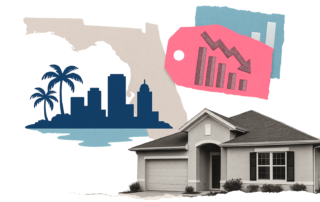
Cape Coral–Fort Myers has officially moved into buyer-friendly territory, with homes now sitting a median 119 days on the market—far longer than both the Florida and U.S. averages. Rising inventory, a 36.9 percent price‑reduction rate, and slower absorption compared to accumulated supply are giving buyers more leverage and time to negotiate, signaling a meaningful reset in this once‑fast‑moving Florida market.
Kansas City’s commercial real estate sector is finally turning a corner after several years of sluggish activity. Retail is leading the rebound, while multifamily and industrial properties are gaining traction as pricing stabilizes and buyer confidence returns. A standout 2025 transaction—the sale of the 380‑unit Cyan Southcreek community—signals that capital is flowing back into the market. With bid‑ask spreads tightening and investor optimism rising, Kansas City is entering a period of renewed opportunity for real estate professionals and investors alike.


 Florida’s Middle Class Is Being Squeezed Out: Insurance Costs, Rebuilding Struggles, and a Changing Coastline Gallery