AI in Medical Diagnosis: Revolutionizing Healthcare Standards
The integration of artificial intelligence in the medical domain is rapidly transforming healthcare, particularly in the realms of disease diagnostics and therapeutic management. This technological advancement is not just a fleeting trend but a significant shift in how healthcare services are provided, aiming to alleviate the pressures on medical services through more accurate diagnostics.
In the United States, around 5% of outpatients are misdiagnosed, with errors especially prevalent in serious medical conditions. AI and machine learning are emerging as powerful technologies to address this issue, improving the accuracy of medical diagnosis and revolutionizing healthcare with their myriad applications. AI facilitates medical management, automates administrative tasks, and optimizes workflows in medical diagnostics, as highlighted in a Statista Survey.
Unlike traditional methods that rely solely on correlations between symptoms and potential causes, modern AI approaches employ causal reasoning in machine learning. This advancement provides reliable and accurate diagnoses even in regions with limited access to healthcare providers.
Key Applications of AI in Medical Diagnosis
AI assists healthcare practitioners across various departments by analyzing symptoms, detecting lethal ailments at an early stage, suggesting targeted therapies, and predicting potential risks. Whether in surgery, pathology, infertility, pandemic management, or patient care, AI is becoming an integral tool in medical diagnostics. Beyond diagnosis, AI enhances various aspects of healthcare, including drug discovery and telehealth.
Many healthcare practitioners are already using intelligent symptom checkers. These systems ask patients questions about their symptoms and recommend appropriate actions for therapy. AI medical diagnosis technology advances precision medicine by synthesizing data and forming conclusions, allowing for better-educated and personalized therapy.
Risk Prediction and Clinical Trials
AI can create algorithms that forecast individual and community health risks, improving patient experiences. For instance, doctors at the University of Pennsylvania developed a machine learning algorithm to predict sepsis 12 hours before symptoms appear. In clinical trials, AI enhances diagnostic accuracy and reduces errors, ensuring more reliable and precise diagnoses.
Oncology and Virtual Biopsies
AI significantly enhances oncology by aiding in the early detection and precise diagnosis of cancers, such as lung and breast cancer. It supports personalized treatment plans, optimizing therapy, and improving patient outcomes. For example, AI systems can monitor breast cancer with 95% accuracy, matching the performance of an average breast radiologist. Additionally, AI is transforming diagnostics with virtual biopsies, allowing clinicians to detect tumor characteristics without invasive procedures.
Challenges and Solutions
Despite AI’s potential, the technology poses challenges such as data privacy, data quality, and interoperability issues. To address these, robust data encryption protocols, high-quality data collection, and open standards for seamless integration are essential.
Future of AI in Healthcare
The Global AI and medical diagnosis market is expected to grow significantly, driven by the need for time-saving diagnosis methods and government investments in advanced medical treatments. The future of healthcare is on the verge of a major transformation, with AI poised to reshape the current system from reactive, medicine-based care to a proactive, preventative approach focused on overall well-being.
For those seeking to leverage AI in medical diagnosis, Appinventiv offers cutting-edge custom AI development services in the medical sector, paving the way for more accurate and efficient patient care.
More Articles
Getting licensed or staying ahead in your career can be a journey—but it doesn’t have to be overwhelming. Grab your favorite coffee or tea, take a moment to relax, and browse through our articles. Whether you’re just starting out or renewing your expertise, we’ve got tips, insights, and advice to keep you moving forward. Here’s to your success—one sip and one step at a time!
Florida’s property insurance system is once again spiraling as new “market-friendly” reforms fail to stabilize rising premiums, insurer failures, and mounting homeowner frustration. Despite aggressive efforts to shift policyholders from Citizens to private carriers, many of the new insurers stepping in are tied to past insolvencies, questionable ratings, and political influence. For real estate, mortgage, and insurance professionals, these systemic cracks are reshaping closings, valuations, and risk across the state—making it essential to stay ahead of ongoing regulatory and market shifts.
Commercial real estate is heading into a turning‑point year in 2026, driven by economic uncertainty, AI‑powered transformation, shifting demographics and rising portfolio risk. Insights from The Counselors of Real Estate highlight the top issues shaping the year ahead—from fiscal pressures and capital constraints to housing shortages, global volatility and the future of data‑driven decision‑making. For real estate, mortgage, insurance and finance professionals, these trends offer a clear roadmap for staying competitive and preparing for the next wave of industry change.
AI-powered tools, fraud protection systems, and smarter MLS integrations are sweeping through the real estate industry as major organizations adopt new technologies. From RealReports hitting its 50th partnership to BeachesMLS unveiling instant AI home visualizations and Doorify boosting security, professionals are seeing rapid advancements that promise sharper insights, safer transactions, and more efficient rental workflows. This evolving tech landscape underscores the importance of staying educated and adaptable — especially for agents preparing for a competitive, AI-enhanced 2025 market.
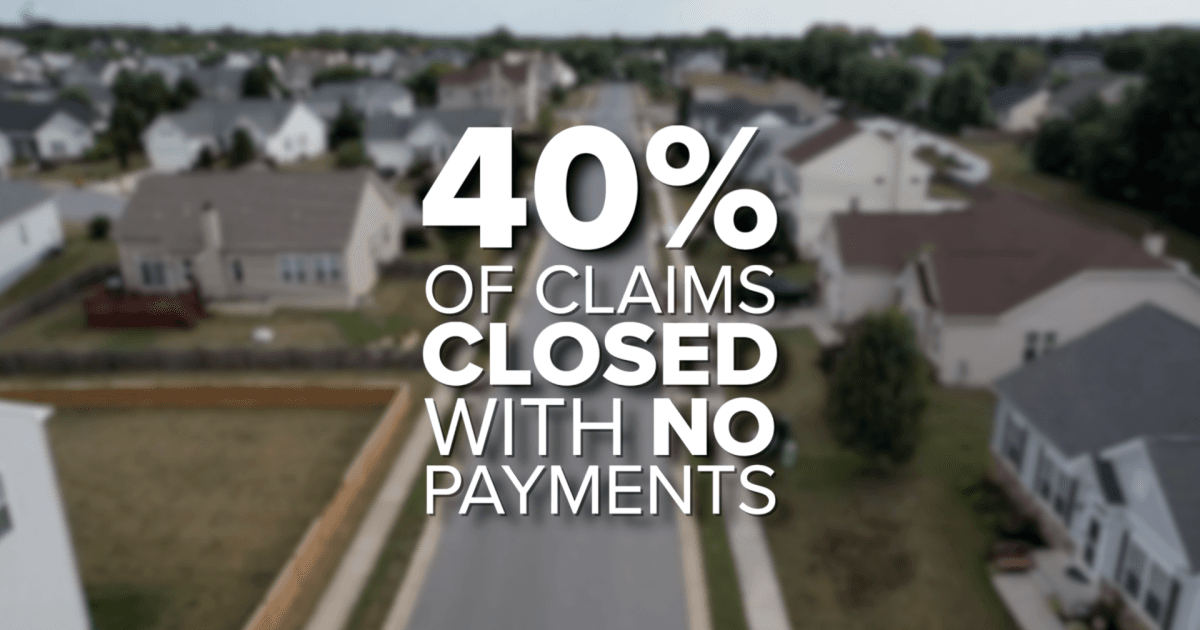
Florida homeowners are being hit with the highest insurance premiums in the nation, averaging $5,838 per year—nearly double the U.S. average. As costs skyrocket, many residents are reporting denied claims, non‑renewals, and impossible financial choices. New investigations reveal that more than 40 percent of claims in Florida close with no payment, while lawmakers push for transparency, fair pricing, and meaningful reform to stabilize a market that’s rapidly becoming unsustainable.
Vend Park, a Boston-based proptech company, has raised $17.5 million in Series A funding to reinvent parking as a high-performing commercial real estate asset. By replacing outdated operator–vendor systems with a unified AI-driven platform, Vend Park is helping major property owners boost NOI by up to 30%, slash operating costs, and modernize the tenant experience. As the company expands from three to fifteen cities and partners with giants like Nuveen and Jamestown, its technology highlights a major shift: real estate professionals must now understand AI, automation, and digital infrastructure to stay competitive.
Keller Williams Realty Atlanta Partners has formed an exclusive partnership with Southeast Mortgage, Georgia’s largest non‑bank mortgage lender. The collaboration promises faster, tech‑enhanced transactions for both agents and homebuyers, combining real estate expertise with streamlined mortgage services. This move reflects a growing trend toward integrated real‑estate ecosystems designed to reduce delays, boost transparency, and modernize the homebuying experience.