Artificial intelligence has officially crossed the threshold from tech buzzword to indispensable business tool. In the mortgage world—where speed, accuracy and borrower trust rule every decision—AI is no longer a futuristic concept. It’s a present‑day performance multiplier that’s transforming how lenders work, communicate and compete.
Scotsman Guide recently explored this shift in their article “From Buzzword to Business Driver: AI in Mortgages,” a sharp and insightful breakdown of why forward‑thinking lenders are adopting AI at record speed. You can check out the original feature at ScotsmanGuide.com.
AI Has Quietly Slipped Into Everything
It’s already in inboxes, underwriting systems and marketing platforms. AI now powers tools that identify high‑intent leads, optimize email timing and predict borrower behavior. For real estate agents and loan officers, this means cleaner pipelines, smarter forecasting and far better conversations with clients.
But there’s a catch: these benefits only appear when AI is used correctly. Poorly trained tools or generic content generators can create compliance issues or messaging that feels robotic—something today’s borrowers immediately notice.
The New Competitive Line in the Sand
We’ve reached the tipping point. AI isn’t “nice to have” anymore—it’s the dividing line between lenders who scale efficiently and lenders who drown in manual tasks. The professionals integrating AI now are already pulling ahead in speed, clarity and borrower experience.
Why Smart Lenders Pair AI With Their CRM
One of the biggest takeaways from Scotsman Guide’s article is that AI performs best when linked to an industry‑trained CRM. AI alone cannot replace entire departments, but when paired with compliant, well‑tested messaging frameworks, it becomes a powerful co‑pilot.
This dynamic combo produces marketing that feels personal, controlled and compliant. Automation stops being robotic—and becomes reliable.
The Real Efficiency Boost: Keystroke Savings
Borrowers still want a trusted human guiding their mortgage decisions. They don’t want emojis from a loan officer who has never used one in their life. Top producers don’t want AI replacing their voice—they want it to remove repetitive tasks.
“Find all past customers who closed within the last 18 months with interest rates above 6.6% who could benefit from an FHA loan offer. Show me three email formats I can choose from that all include a message about avoiding PMI to lower their monthly payments.”
Within seconds, the CRM surfaces contacts and generates pre‑approved messaging. Automation then continues the work effortlessly.
What Lenders Should Be Doing Right Now
To stay competitive, Scotsman Guide emphasizes four core actions:
1. Educate your team. Help staff understand how to use AI responsibly—especially what NOT to feed into public AI tools.
2. Audit your content. Every AI‑generated message must be checked for compliance and tone. Consistency builds trust.
3. Integrate your systems. Your CRM, LOS and marketing tools must communicate. AI is only as effective as the ecosystem it supports.
4. Prioritize long‑term vision. AI isn’t a trend—it’s a tool that strengthens your people and enhances the borrower journey.
The Big Picture: AI Enhances People, Not Replaces Them
AI won’t replace loan officers. It will replace loan officers who refuse to use it.
Relationships will always anchor mortgage lending. AI simply helps professionals show up faster, smarter and with more consistency. And for anyone building a mortgage or real estate career, learning these tools isn’t optional—it’s the new standard.
For those growing in mortgage or real estate, education providers like Cameron Academy continue supporting professionals with courses that stay ahead of compliance, technology and best practices. Staying educated is staying competitive.
Getting licensed or staying ahead in your career can be a journey—but it doesn’t have to be overwhelming. Grab your favorite coffee or tea, take a moment to relax, and browse through our articles. Whether you’re just starting out or renewing your expertise, we’ve got tips, insights, and advice to keep you moving forward. Here’s to your success—one sip and one step at a time!
A federal judge has denied class‑certification in the high‑stakes Batton commission lawsuit, delivering a temporary win for NAR and major brokerages while leaving the door open for plaintiffs to try again. With as much as $3.6 billion in potential damages on the line and nearly 80% of the proposed class now disqualified due to conflicts with earlier settlements, the case stands at a pivotal moment. Real estate professionals nationwide — especially in Florida — should watch closely, as the ruling could shape the future of buyer‑agent compensation.
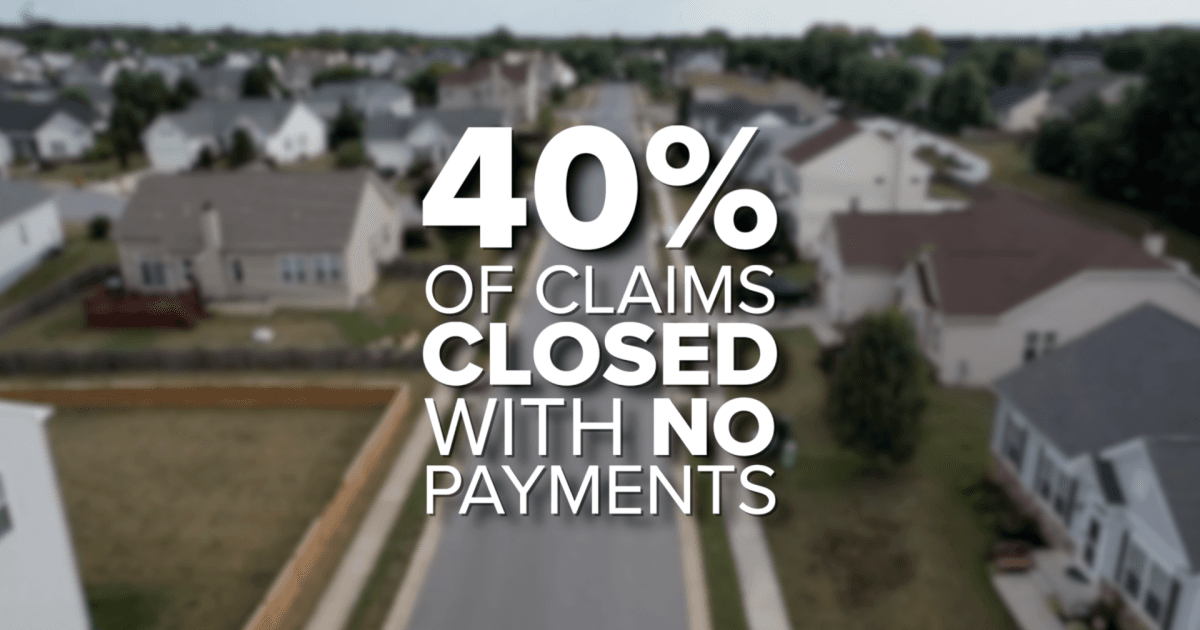
Florida homeowners are paying nearly double the national average for insurance, with premiums now reaching $5,838 a year and denied claims topping 40 percent. Residents report tripled rates, underpaid claims, and mounting financial strain, pushing lawmakers in Tallahassee to propose caps on rate hikes, tax breaks for storm‑proof upgrades, and tighter oversight of insurers. These developments are reshaping real estate and insurance conversations across the state as professionals brace for major industry shifts.
Berkshire County closed Q3 2025 with strong momentum as sales, dollar volume, and buyer competition all climbed year‑over‑year. Inventory showed slight improvement but remains far below demand, keeping the market tilted toward sellers. Single‑family homes and condos led the surge, while multifamily, land, and commercial sectors showed mixed performance. The region continues to stand out as one of New England’s most resilient real estate markets heading into 2026.
Florida homeowners now face the highest insurance burdens in the nation, with average premiums topping $5,800 per year—roughly $3,000 above the national average. As rates triple for some residents, more Floridians are skipping coverage altogether, while denied claims and slow payouts add to the frustration. With over 40 percent of claims closing with no payment and lawmakers battling over reform in Tallahassee, the crisis is reshaping budgets, homebuying decisions, and the real estate industry statewide.
Global capital is surging back into real estate—and this time, investors want more control. Colliers’ 2026 Global Investor Outlook reveals a major shift toward direct investments, joint ventures, and hands‑on strategies as money moves across North America, Europe, and the booming Asia‑Pacific markets. Data centers are now the top‑funded asset class, offices are staging a comeback, and adaptive reuse is reshaping cities worldwide. For real estate and finance professionals, the message is clear: opportunity is accelerating, and those with the right education and licensing will be at the center of the action.
The Fed’s recent rate cuts should have offered relief to commercial real estate—but long-term borrowing costs haven’t budged. While short‑term rates are falling, stubborn long‑term yields, broken deal math, and a trillion‑dollar refinancing wave are keeping the market frozen. For investors and professionals across Florida and the nation, understanding this disconnect is key to navigating the opportunities and risks emerging in today’s shifting CRE landscape.