AI in Radiology: A Double-Edged Sword


The rapid advancements in artificial intelligence (AI) are transforming the landscape of radiology, promising to enhance diagnostic accuracy and support personalized medicine. However, as this technology becomes more integral to medical imaging, it brings with it a host of ethical and societal considerations that cannot be ignored.

The Promise of AI


AI technologies, particularly those employing machine learning (ML) and deep learning (DL), are being hailed for their potential to improve predictive analytics and diagnostic performance. Studies, such as those by McKinney et al., have demonstrated AI’s ability to outperform human experts in tasks like breast cancer screening. This has sparked excitement about AI’s role in advancing healthcare and promoting health equity.

Challenges and Ethical Concerns


Despite the hype, the implementation of AI in healthcare lags behind its technological development. As noted in the article, “The state of AI hype has far exceeded the state of AI science.” This gap highlights several ethical concerns, including transparency, accountability, and potential biases in AI systems. The “black box” nature of many AI algorithms raises questions about their decision-making processes and the implications for patient care.

Bias and Responsibility


A major concern is the potential for AI systems to perpetuate or even amplify existing biases in healthcare. The article references works such as those by Mittelstadt and Floridi, which discuss the ethical foresight needed to address these issues. Ensuring that AI tools are developed and deployed with fairness and justice in mind is crucial to avoid exacerbating healthcare disparities.

Guidelines for Ethical AI


To navigate these challenges, robust ethical guidelines are essential. Initiatives like FUTURE-AI, as discussed by Lekadir et al., aim to align technological advances with ethical standards. These guidelines emphasize principles such as explainability, trustworthiness, and accountability, ensuring that AI systems serve the common good.

Looking Forward


As AI continues to evolve, its integration into radiology and healthcare must be guided by interdisciplinary research and a deep understanding of its societal implications. The article underscores the need for a shift from focusing solely on technological advancements to considering the broader context in which AI operates.
In conclusion, while AI holds great promise for the future of radiology, it is imperative that its development and deployment are approached with caution and a commitment to ethical integrity. By doing so, we can harness the power of AI to create more equitable and effective healthcare systems.

More Articles

Getting licensed or staying ahead in your career can be a journey—but it doesn’t have to be overwhelming. Grab your favorite coffee or tea, take a moment to relax, and browse through our articles. Whether you’re just starting out or renewing your expertise, we’ve got tips, insights, and advice to keep you moving forward. Here’s to your success—one sip and one step at a time!

Artificial Intelligence in Diagnostics: A Revolution in Healthcare

The global market for artificial intelligence in diagnostics is poised for remarkable growth, with projections estimating it to reach USD 7.3 billion by 2032.

By |December 10, 2024|Categories: Article, Artificial Intelligence, Healthcare|Tags: , |0 Comments

Revolutionizing Medical Education with Extended Reality

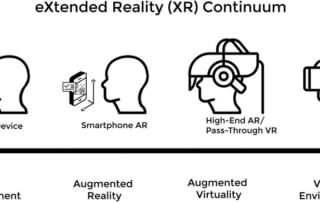
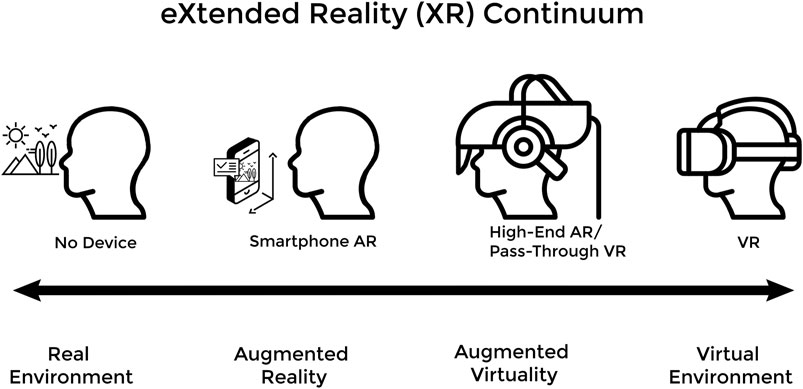
In the ever-evolving landscape of medical education, a new player has emerged, promising to revolutionize the way future doctors are trained. The integration of eXtended Reality (XR) technologies is reshaping the educational landscape by addressing the limitations of traditional methods.

Genetic Testing: A New Dawn in Healthcare

Genetic testing represents more than just a scientific advancement; it signifies a fundamental shift in how we approach health and wellness.

Sustainable Architecture: Blending Innovation with Ecological Responsibility

The journey toward sustainable architecture is ongoing, with each project serving as a beacon of what's achievable when creativity meets ecological awareness.

By |December 9, 2024|Categories: Architecture, Article, Sustainability|Tags: |0 Comments

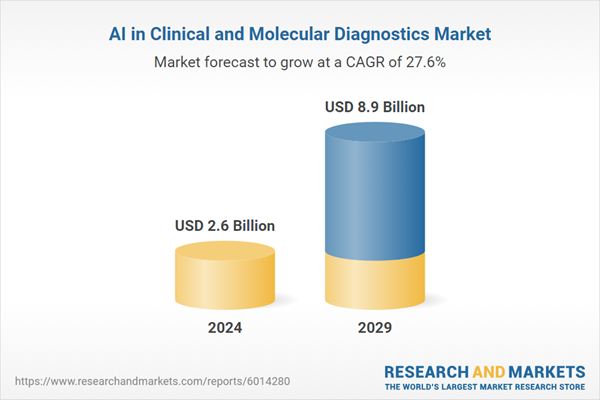
AI in Clinical and Molecular Diagnostics: A Market on the Rise

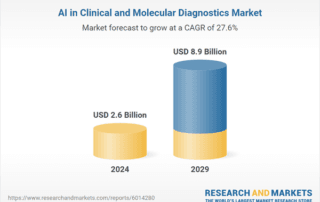
AI in Clinical and Molecular Diagnostics Market is set to experience remarkable growth, projected to surge from USD 2.6 billion in 2024 to USD 8.9 billion by 2029. This growth is driven by the integration of advanced AI technologies such as machine learning and deep learning into traditional diagnostic methodologies like imaging, genomics, and laboratory testing.

AI: A Revolution in Healthcare’s Future

AI is not a distant dream but a present reality, already integrated into everyday life through virtual assistants like Alexa and Siri. AI shows promise in enhancing medical accuracy, such as in predicting mesothelioma survival and improving colonoscopy accuracy, it is not intended to replace healthcare professionals.