AI Listing Images Are Shaking Trust in Real Estate Marketing
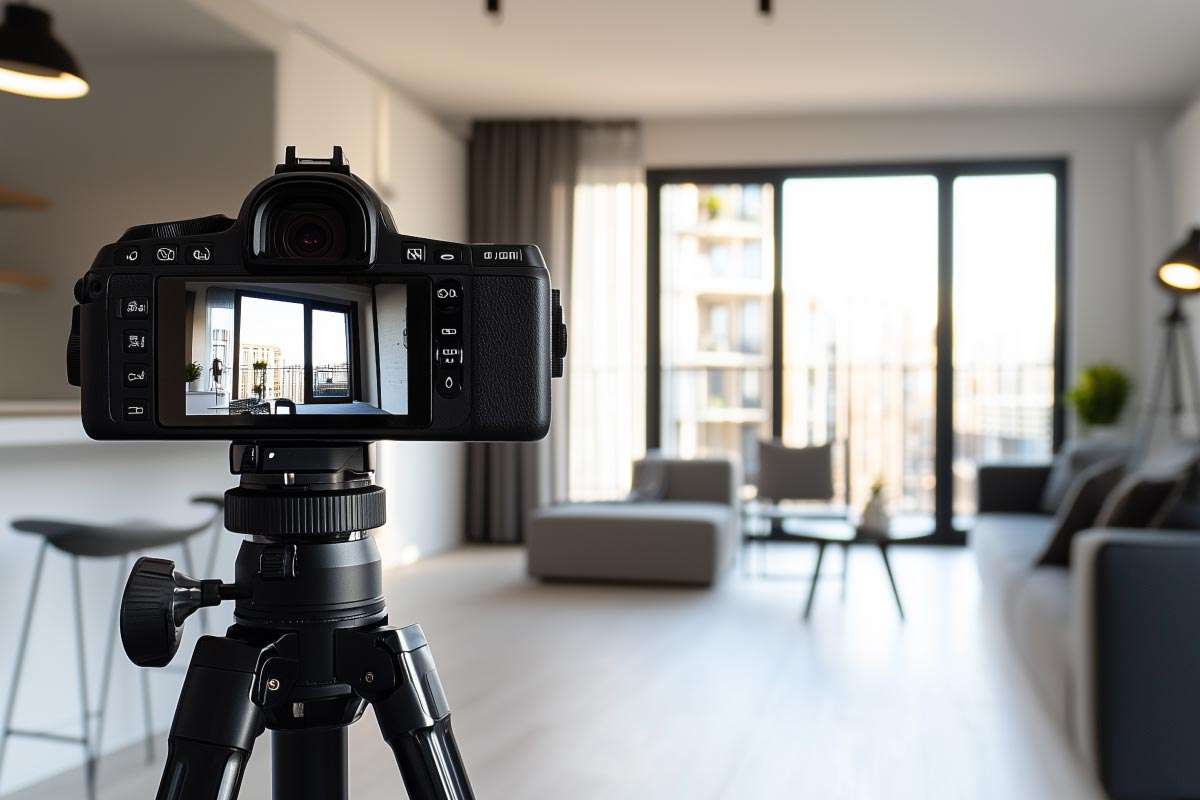
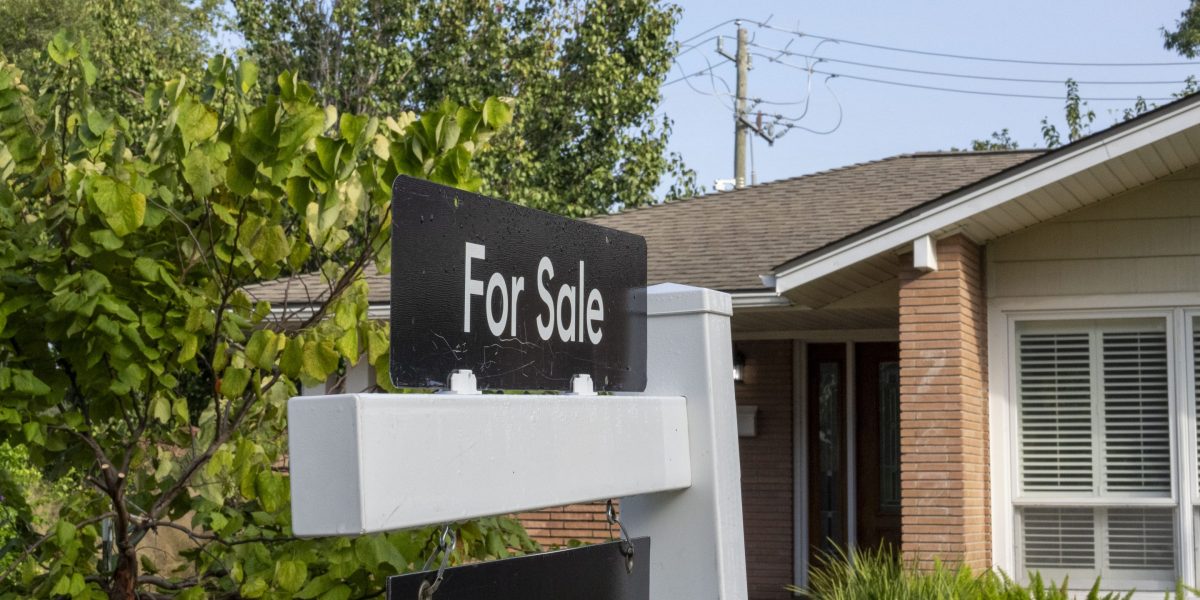
Modern living room photographed with tripod

Artificial intelligence is quietly transforming one of the most influential pillars of real estate marketing: listing photos. What once involved simple brightness and contrast tweaks has evolved into full-scene image generation. Entire rooms can be staged digitally, lighting can be reshaped, and outdated interiors can be replaced with sleek, modern redesigns in seconds. Surveys now show that nearly 70 percent of real estate agents have experimented with AI tools for listing images and virtual staging.

The convenience is undeniable. A well-polished image drives more clicks, more interest, and more showings. It saves time, cuts staging costs, and helps listings stand out in crowded markets. But as AI grows more sophisticated, an important question emerges: When does smart marketing become misleading representation?

The Rise of Housefishing

A new industry buzzword is taking hold: housefishing. Much like catfishing, it refers to listings that look dramatically better online than they do in person. Renters and buyers report arriving for showings only to find cluttered, outdated, or drastically different interiors than the pristine AI-enhanced photos advertised.

Viral social media posts calling out AI-inflated listings have ignited public skepticism, making consumers question whether they can trust online real estate photos at all.

When Marketing Becomes Misrepresentation

Regulators are stepping in. California’s Assembly Bill 723, enacted in 2026, requires all digitally altered listing photos to be clearly labeled. If AI adds furniture, removes clutter, enhances landscaping, or modifies a window view, the original photo must accompany the edited version.

Legal experts caution that if these enhancements influence a buyer’s decision, agents could face misrepresentation claims or consumer protection lawsuits. As AI becomes more powerful, transparency becomes more essential.

A Growing Trust Problem for Renters

Renters are often hit hardest. They make rapid decisions and rely heavily on online listings to choose which units to tour. When photos are heavily manipulated, each visit becomes unpredictable. What should be a filtering tool turns into a gamble.

The irony is striking: the rise of AI-enhanced photos is making in-person tours more important than ever. Authentic virtual tours, unedited photo galleries, and live video walk-throughs are becoming crucial for credibility.

Using AI Responsibly in Real Estate

The goal isn’t to eliminate AI. Digital staging and renovation previews can help potential buyers imagine possibilities. The ethical line lies in whether the images represent hypothetical potential or attempt to pass an idealized version off as reality.

Example real photo Example ai enhanced photo

Listing platforms and brokerages are testing new transparency tools, offering features like side-by-side comparisons and AI-generated labels. With AI now embedded in real estate marketing, clarity is becoming the industry’s ultimate trust-builder.

What This Means for Future Real Estate Professionals

As technology reshapes expectations, real estate professionals must stay informed and compliant. Advertising laws, ethical standards, and modern marketing tools are now essential knowledge areas. For new students preparing for licensing exams and active agents seeking continuing education, Cameron Academy provides curriculum designed to keep professionals ahead of trends like AI-enhanced imagery and emerging industry regulations.

Explore the original report and full coverage from Propmodo at https://propmodo.com/ai-listing-images-are-creating-a-new-trust-problem/.


More Articles

Getting licensed or staying ahead in your career can be a journey—but it doesn’t have to be overwhelming. Grab your favorite coffee or tea, take a moment to relax, and browse through our articles. Whether you’re just starting out or renewing your expertise, we’ve got tips, insights, and advice to keep you moving forward. Here’s to your success—one sip and one step at a time!

Massachusetts Investment Firm Makes Strategic Move Into Connecticut With $3.65M Red Robin-Anchored Purchase

Newman Properties, a Massachusetts-based investment firm, has expanded its footprint into Connecticut with the $3.65 million acquisition of a 6,350‑square‑foot retail building in Enfield. Anchored by national restaurant chain Red Robin, the property offers the type of stable tenancy investors seek when entering new markets. The deal underscores growing confidence in anchored retail assets and provides a valuable real-world example for real estate professionals studying market analysis, investment strategy, and portfolio expansion.

JPMorgan Flags a Sunbelt Slowdown as Florida and Texas See Sharp Home Price Drops

JPMorgan now expects national home prices to flatten in 2026, but the Sunbelt is telling a very different story. Florida home values are down 5.1%, Texas is down 2.4%, and analysts warn that years of rapid building are finally catching up to the region. As demand stabilizes and inventory swells, real estate professionals — especially in Florida — face a market full of challenges, opportunities, and critical timing decisions.

AI Is Reshaping Mortgage Underwriting in 2026 as Industry Pros Brace for Major Change

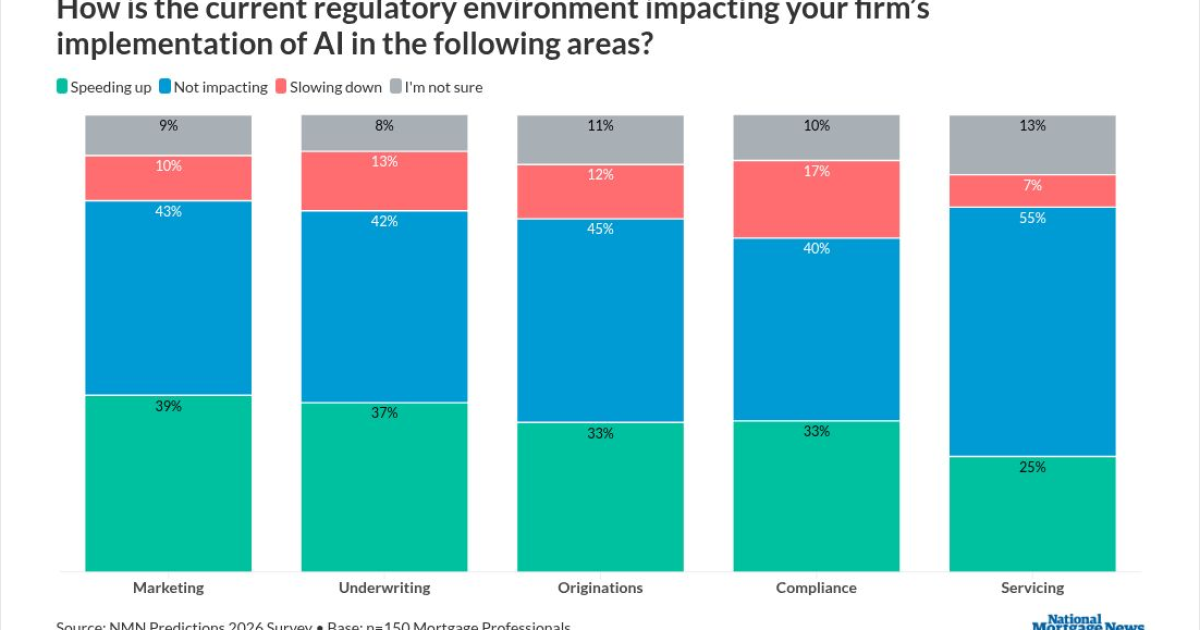
Artificial intelligence is finally stepping into the mortgage underwriting spotlight, with 57% of mortgage professionals predicting it will drive the most transformative industry shift in 2026. Thanks to major advancements in language models and workflow automation, AI is now capable of navigating the messy, document-heavy realities that have long slowed underwriting. From faster preapprovals to improved credit analysis and real‑time income verification, AI is streamlining processes while allowing underwriters to focus on true risk management. As regulatory winds shift and grassroots pressure builds within lending teams, the industry is entering a pivotal era where AI‑powered underwriting becomes not just an advantage — but an expectation.

Portland’s Commercial Market Suffers a Historic $2 Billion Collapse

Portland’s top 20 office towers have lost an unprecedented 70% of their value since 2019—plunging from $3 billion to under $1 billion—triggering tax revenue shortfalls, budget crises, and a surge in appeals as the city grapples with its biggest commercial real estate reset in modern history.

When Virtual Reality Becomes the New Penthouse Tour: Miami Students Step Inside a $1M Tech-Driven Luxury Tower Experience

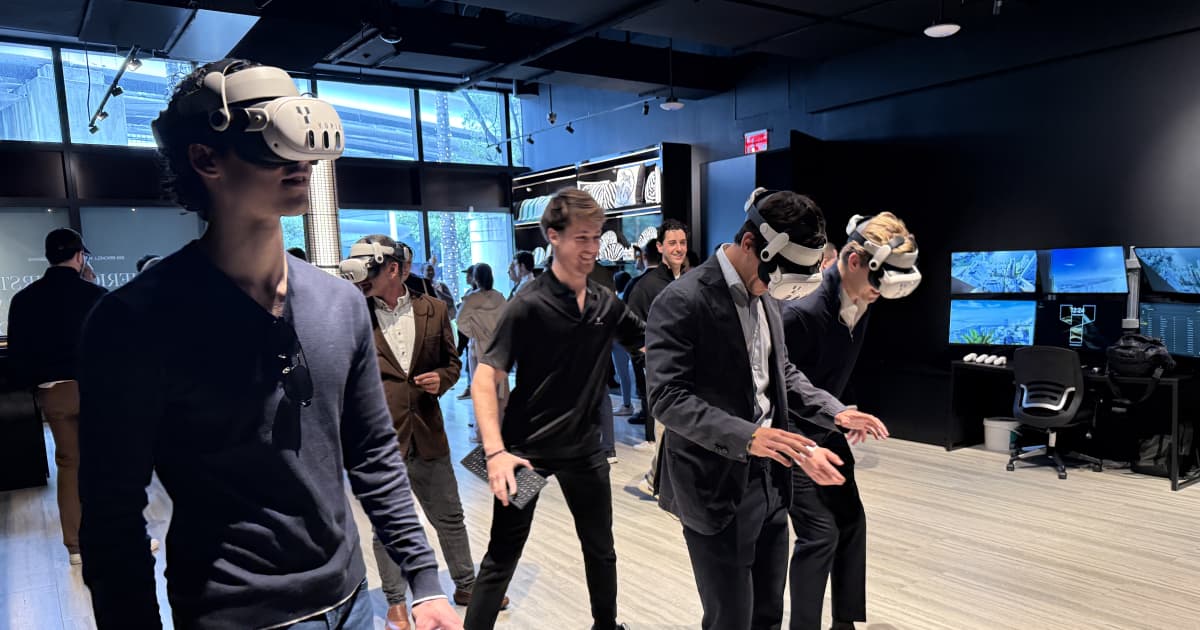
South Florida’s luxury real estate market just raised the bar again — this time with a $1 million virtual reality system that lets buyers walk through Dolce & Gabbana’s upcoming Miami tower long before construction wraps. Real estate master’s students were given an immersive look inside the project, discovering how VR is transforming high‑end development, influencing buyer psychology, and shaping the future skills today’s professionals need.

Long Island’s Latest Commercial Moves: From Pizza Huts to Auto Parts Warehouses

Long Island’s commercial real estate scene is kicking off 2026 with a surge of activity—industrial leases in Medford, neighborhood retail trades in Bohemia, Pizza Hut’s new DELCO expansion in Centereach, mixed‑use acquisitions in Melville, and major investor interest in bank‑leased and franchise-backed properties. From warehouses to restaurant rebrands, these deals highlight a region evolving fast and offering fresh opportunities for agents, investors, and professionals looking to stay ahead in the market.