AI Listing Images Are Shaking Trust in Real Estate Marketing

Modern living room photographed with tripod

Artificial intelligence is quietly transforming one of the most influential pillars of real estate marketing: listing photos. What once involved simple brightness and contrast tweaks has evolved into full-scene image generation. Entire rooms can be staged digitally, lighting can be reshaped, and outdated interiors can be replaced with sleek, modern redesigns in seconds. Surveys now show that nearly 70 percent of real estate agents have experimented with AI tools for listing images and virtual staging.

The convenience is undeniable. A well-polished image drives more clicks, more interest, and more showings. It saves time, cuts staging costs, and helps listings stand out in crowded markets. But as AI grows more sophisticated, an important question emerges: When does smart marketing become misleading representation?

The Rise of Housefishing

A new industry buzzword is taking hold: housefishing. Much like catfishing, it refers to listings that look dramatically better online than they do in person. Renters and buyers report arriving for showings only to find cluttered, outdated, or drastically different interiors than the pristine AI-enhanced photos advertised.

Viral social media posts calling out AI-inflated listings have ignited public skepticism, making consumers question whether they can trust online real estate photos at all.

When Marketing Becomes Misrepresentation

Regulators are stepping in. California’s Assembly Bill 723, enacted in 2026, requires all digitally altered listing photos to be clearly labeled. If AI adds furniture, removes clutter, enhances landscaping, or modifies a window view, the original photo must accompany the edited version.

Legal experts caution that if these enhancements influence a buyer’s decision, agents could face misrepresentation claims or consumer protection lawsuits. As AI becomes more powerful, transparency becomes more essential.

A Growing Trust Problem for Renters

Renters are often hit hardest. They make rapid decisions and rely heavily on online listings to choose which units to tour. When photos are heavily manipulated, each visit becomes unpredictable. What should be a filtering tool turns into a gamble.

The irony is striking: the rise of AI-enhanced photos is making in-person tours more important than ever. Authentic virtual tours, unedited photo galleries, and live video walk-throughs are becoming crucial for credibility.

Using AI Responsibly in Real Estate

The goal isn’t to eliminate AI. Digital staging and renovation previews can help potential buyers imagine possibilities. The ethical line lies in whether the images represent hypothetical potential or attempt to pass an idealized version off as reality.

Example real photo Example ai enhanced photo

Listing platforms and brokerages are testing new transparency tools, offering features like side-by-side comparisons and AI-generated labels. With AI now embedded in real estate marketing, clarity is becoming the industry’s ultimate trust-builder.

What This Means for Future Real Estate Professionals

As technology reshapes expectations, real estate professionals must stay informed and compliant. Advertising laws, ethical standards, and modern marketing tools are now essential knowledge areas. For new students preparing for licensing exams and active agents seeking continuing education, Cameron Academy provides curriculum designed to keep professionals ahead of trends like AI-enhanced imagery and emerging industry regulations.

Explore the original report and full coverage from Propmodo at https://propmodo.com/ai-listing-images-are-creating-a-new-trust-problem/.


More Articles

Getting licensed or staying ahead in your career can be a journey—but it doesn’t have to be overwhelming. Grab your favorite coffee or tea, take a moment to relax, and browse through our articles. Whether you’re just starting out or renewing your expertise, we’ve got tips, insights, and advice to keep you moving forward. Here’s to your success—one sip and one step at a time!

Why Today’s High Mortgage Rates Matter More Than Ever for the Housing Market

A growing share of American homeowners now carry mortgage rates above 5%—a dramatic shift that’s reshaping refinancing, inventory, and buyer behavior nationwide. With more than 30% of borrowers locked into rates over 5% and 20% above 6%, the market is split between owners holding on to low pandemic‑era loans and new buyers taking on higher‑rate mortgages. Federal efforts to push rates down could unlock millions of refinancing opportunities, while buyers see only modest monthly savings. For real estate professionals, understanding these rate dynamics is crucial as they increasingly drive inventory levels, affordability, and market activity.

CRE Deal Volume Dips in December, but Office Sector Stages an Unexpected Comeback

New Moody’s data shows commercial real estate deal volume slipped 20% in December, marking a second monthly decline. Yet the full year tells a different story: 2025 ended with a 17% gain, signaling a quiet but resilient recovery. The biggest surprise came from the office sector, which posted a 21% jump in activity as return‑to‑office trends and AI‑driven job growth boosted demand. Multifamily, retail, and alternative assets like data centers also saw strong momentum, giving real estate professionals a market full of fresh opportunities heading into 2026.

Florida Kicks Off 2026 With Major Auto Insurance Rate Cuts and Market Stability

Florida drivers and industry professionals are heading into 2026 with good news: auto insurance rates are dropping across the state as the market shows strong signs of stabilization. USAA leads the latest wave with a 7% average rate decrease expected in May 2026, saving members more than $125 million annually. They join several major insurers — including State Farm, Progressive, AAA, Allstate, and Florida Farm Bureau — all approving significant reductions. Officials credit recent legislative reforms, especially tort reform, for the improved loss ratios and renewed insurer confidence. With both auto and home insurance markets strengthening, Florida’s real estate, mortgage, and insurance professionals can expect more consumer confidence, smoother transactions, and expanding career opportunities.

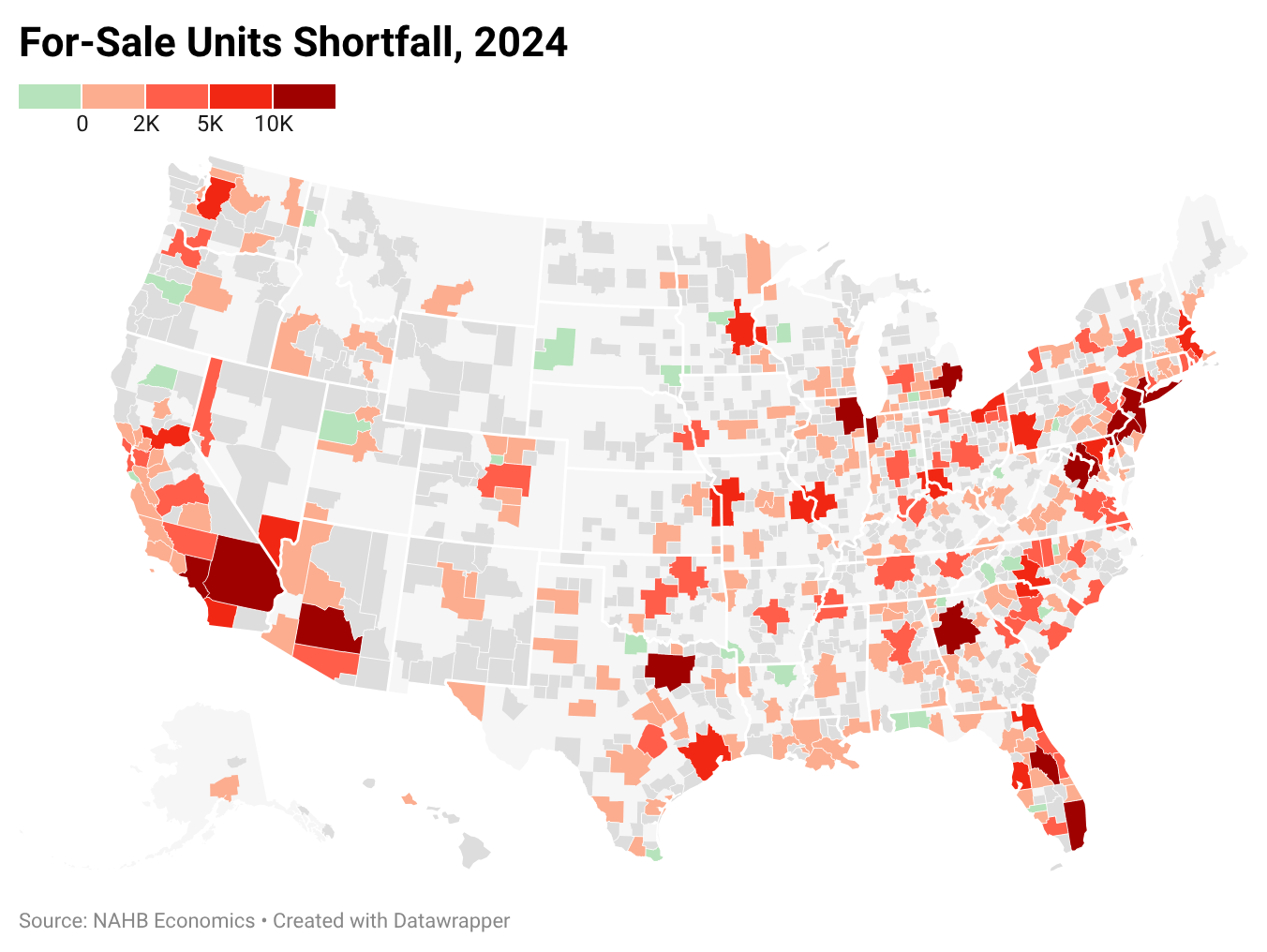
The 2024 Housing Shortage: Why America Is Still 1.2 Million Homes Behind

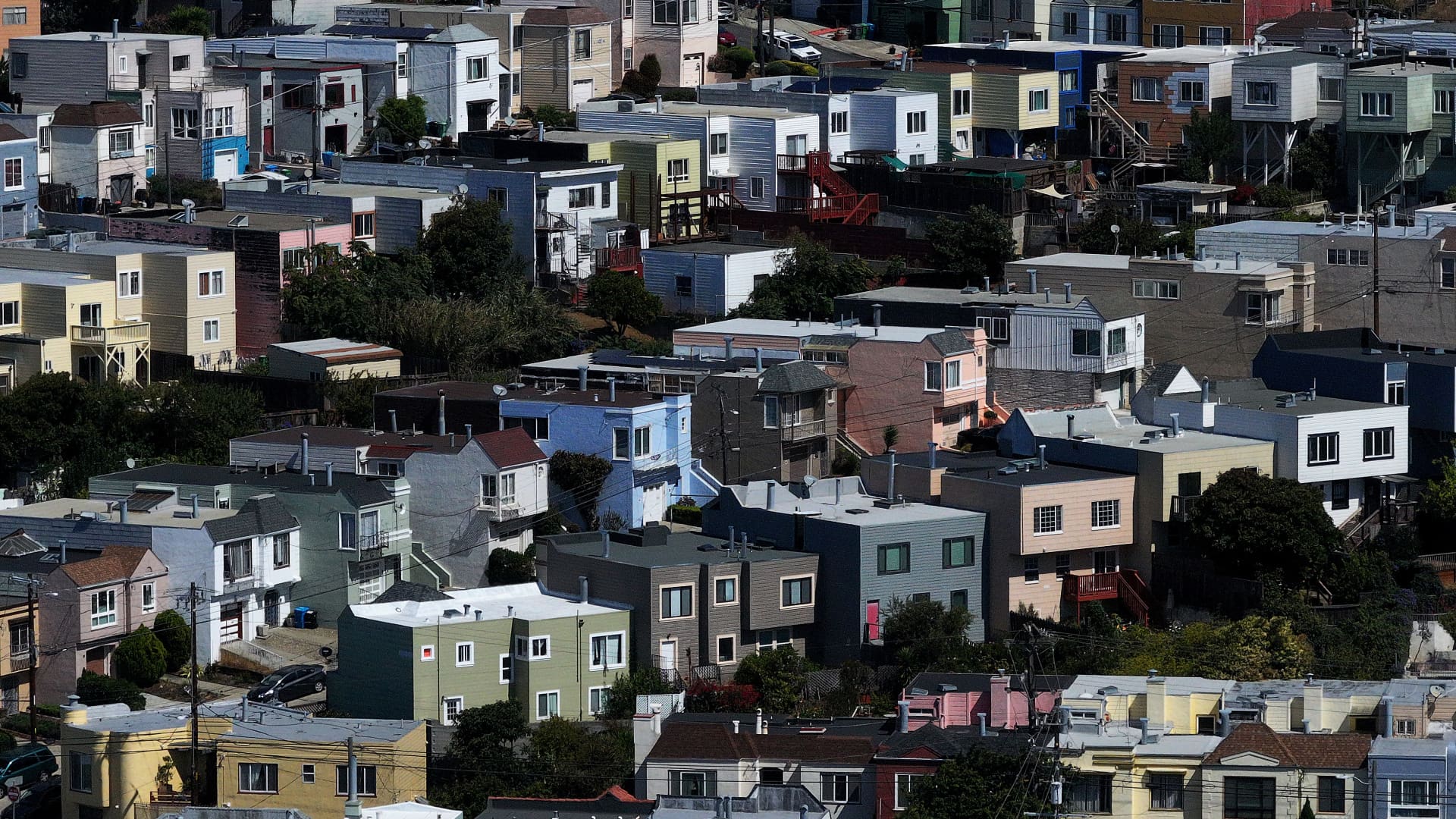
New data from Eye On Housing and the NAHB shows the U.S. remains short more than 1.2 million housing units, keeping pressure on both rents and home prices. Record‑low vacancy rates, slow single‑family construction, and restrictive zoning continue to fuel intense competition in 2024. Major metros like Chicago, New York, and Atlanta face some of the deepest deficits, and the true nationwide shortfall may be even higher when accounting for overcrowding and aging homes. For real estate professionals, the ongoing shortage means sustained demand, tighter inventory, and major opportunities for those who understand the evolving market.

AI Isn’t the Shiny Object Anymore — It’s the New System Driving Real Estate Success

Top real estate coach Jason Pantana says the divide between agents today isn’t about who has “tried” AI — it’s about who is immersed in it. In a new HousingWire interview, he explains why AI isn’t a gimmick but a full business system that amplifies output, improves authenticity, and reshapes how clients search for agents. From prompt mastery to AI‑driven visibility on Google, Pantana reveals how agents who commit even 15 minutes a day to learning AI are already outperforming those who hesitate.

DFW Commercial Real Estate 2025: Industrial Surges, Retail Shines, Office Struggles

Dallas–Fort Worth’s commercial real estate market closed 2025 with a split personality. Industrial dominated with massive new deliveries and soaring leasing demand, retail held steady with some of the market’s strongest fundamentals in years, and office continued to falter under remote‑work pressures. High vacancies, weak absorption, and rising demand for top‑tier space show the sector’s ongoing reset. Meanwhile, industrial and retail strength position the Metroplex for another powerhouse year heading into 2026.