AI Listing Images Are Shaking Trust in Real Estate Marketing
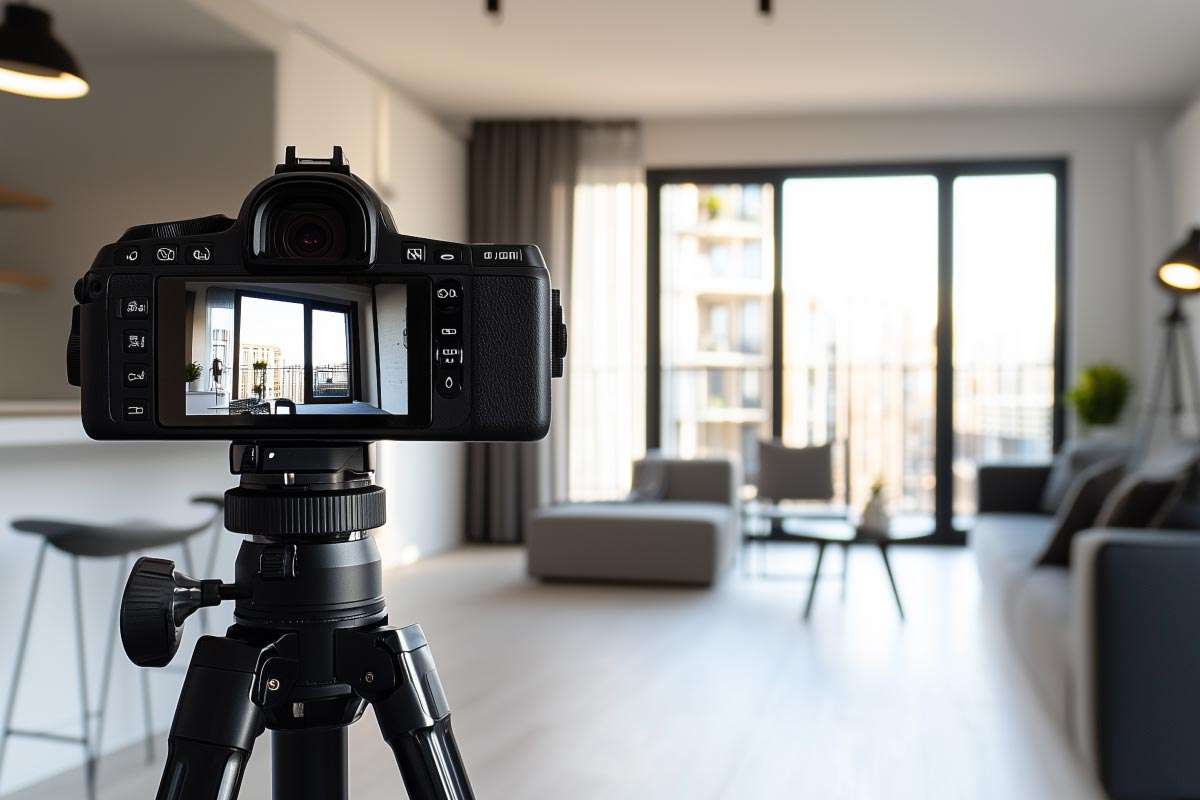
Artificial intelligence is quietly transforming one of the most influential pillars of real estate marketing: listing photos. What once involved simple brightness and contrast tweaks has evolved into full-scene image generation. Entire rooms can be staged digitally, lighting can be reshaped, and outdated interiors can be replaced with sleek, modern redesigns in seconds. Surveys now show that nearly 70 percent of real estate agents have experimented with AI tools for listing images and virtual staging.
The convenience is undeniable. A well-polished image drives more clicks, more interest, and more showings. It saves time, cuts staging costs, and helps listings stand out in crowded markets. But as AI grows more sophisticated, an important question emerges: When does smart marketing become misleading representation?
The Rise of Housefishing
A new industry buzzword is taking hold: housefishing. Much like catfishing, it refers to listings that look dramatically better online than they do in person. Renters and buyers report arriving for showings only to find cluttered, outdated, or drastically different interiors than the pristine AI-enhanced photos advertised.
Viral social media posts calling out AI-inflated listings have ignited public skepticism, making consumers question whether they can trust online real estate photos at all.
When Marketing Becomes Misrepresentation
Regulators are stepping in. California’s Assembly Bill 723, enacted in 2026, requires all digitally altered listing photos to be clearly labeled. If AI adds furniture, removes clutter, enhances landscaping, or modifies a window view, the original photo must accompany the edited version.
Legal experts caution that if these enhancements influence a buyer’s decision, agents could face misrepresentation claims or consumer protection lawsuits. As AI becomes more powerful, transparency becomes more essential.
A Growing Trust Problem for Renters
Renters are often hit hardest. They make rapid decisions and rely heavily on online listings to choose which units to tour. When photos are heavily manipulated, each visit becomes unpredictable. What should be a filtering tool turns into a gamble.
The irony is striking: the rise of AI-enhanced photos is making in-person tours more important than ever. Authentic virtual tours, unedited photo galleries, and live video walk-throughs are becoming crucial for credibility.
Using AI Responsibly in Real Estate
The goal isn’t to eliminate AI. Digital staging and renovation previews can help potential buyers imagine possibilities. The ethical line lies in whether the images represent hypothetical potential or attempt to pass an idealized version off as reality.
Listing platforms and brokerages are testing new transparency tools, offering features like side-by-side comparisons and AI-generated labels. With AI now embedded in real estate marketing, clarity is becoming the industry’s ultimate trust-builder.
What This Means for Future Real Estate Professionals
As technology reshapes expectations, real estate professionals must stay informed and compliant. Advertising laws, ethical standards, and modern marketing tools are now essential knowledge areas. For new students preparing for licensing exams and active agents seeking continuing education, Cameron Academy provides curriculum designed to keep professionals ahead of trends like AI-enhanced imagery and emerging industry regulations.
Explore the original report and full coverage from Propmodo at https://propmodo.com/ai-listing-images-are-creating-a-new-trust-problem/.