AI Listing Images Are Shaking Trust in Real Estate Marketing

Modern living room photographed with tripod

Artificial intelligence is quietly transforming one of the most influential pillars of real estate marketing: listing photos. What once involved simple brightness and contrast tweaks has evolved into full-scene image generation. Entire rooms can be staged digitally, lighting can be reshaped, and outdated interiors can be replaced with sleek, modern redesigns in seconds. Surveys now show that nearly 70 percent of real estate agents have experimented with AI tools for listing images and virtual staging.

The convenience is undeniable. A well-polished image drives more clicks, more interest, and more showings. It saves time, cuts staging costs, and helps listings stand out in crowded markets. But as AI grows more sophisticated, an important question emerges: When does smart marketing become misleading representation?

The Rise of Housefishing

A new industry buzzword is taking hold: housefishing. Much like catfishing, it refers to listings that look dramatically better online than they do in person. Renters and buyers report arriving for showings only to find cluttered, outdated, or drastically different interiors than the pristine AI-enhanced photos advertised.

Viral social media posts calling out AI-inflated listings have ignited public skepticism, making consumers question whether they can trust online real estate photos at all.

When Marketing Becomes Misrepresentation

Regulators are stepping in. California’s Assembly Bill 723, enacted in 2026, requires all digitally altered listing photos to be clearly labeled. If AI adds furniture, removes clutter, enhances landscaping, or modifies a window view, the original photo must accompany the edited version.

Legal experts caution that if these enhancements influence a buyer’s decision, agents could face misrepresentation claims or consumer protection lawsuits. As AI becomes more powerful, transparency becomes more essential.

A Growing Trust Problem for Renters

Renters are often hit hardest. They make rapid decisions and rely heavily on online listings to choose which units to tour. When photos are heavily manipulated, each visit becomes unpredictable. What should be a filtering tool turns into a gamble.

The irony is striking: the rise of AI-enhanced photos is making in-person tours more important than ever. Authentic virtual tours, unedited photo galleries, and live video walk-throughs are becoming crucial for credibility.

Using AI Responsibly in Real Estate

The goal isn’t to eliminate AI. Digital staging and renovation previews can help potential buyers imagine possibilities. The ethical line lies in whether the images represent hypothetical potential or attempt to pass an idealized version off as reality.

Example real photo Example ai enhanced photo

Listing platforms and brokerages are testing new transparency tools, offering features like side-by-side comparisons and AI-generated labels. With AI now embedded in real estate marketing, clarity is becoming the industry’s ultimate trust-builder.

What This Means for Future Real Estate Professionals

As technology reshapes expectations, real estate professionals must stay informed and compliant. Advertising laws, ethical standards, and modern marketing tools are now essential knowledge areas. For new students preparing for licensing exams and active agents seeking continuing education, Cameron Academy provides curriculum designed to keep professionals ahead of trends like AI-enhanced imagery and emerging industry regulations.

Explore the original report and full coverage from Propmodo at https://propmodo.com/ai-listing-images-are-creating-a-new-trust-problem/.

More Articles

Getting licensed or staying ahead in your career can be a journey—but it doesn’t have to be overwhelming. Grab your favorite coffee or tea, take a moment to relax, and browse through our articles. Whether you’re just starting out or renewing your expertise, we’ve got tips, insights, and advice to keep you moving forward. Here’s to your success—one sip and one step at a time!

The Great Housing Reset: What Redfin Predicts for 2026

Redfin forecasts a slow but meaningful return to normalcy in the U.S. housing market starting in 2026. Instead of a crash or a rapid correction, the year marks the beginning of a “Great Housing Reset” where affordability gradually improves, mortgage rates ease into the low‑6% range, home sales tick upward, and renters, buyers, and professionals finally feel less market pressure. From wage growth outpacing home prices to rising refi activity and the rise of AI‑powered real estate tools, 2026 is shaping up to be a foundational year for real estate careers and long‑term market stability.

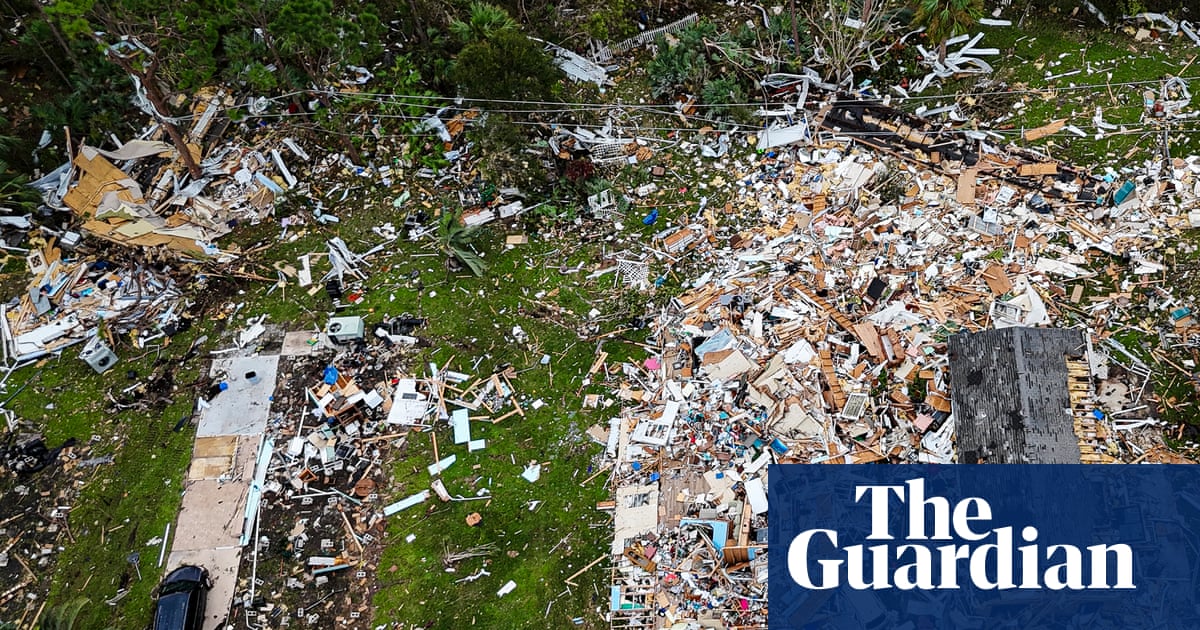
Climate Disasters Are Outpacing Insurance Uptake as the Global Protection Gap Nears Crisis Levels

Hurricane Melissa’s destruction in Jamaica highlights a growing global reality: climate risks are accelerating faster than insurance adoption. With more than 90% of disaster losses in developing regions going uninsured and a worldwide protection gap exceeding $1.8 trillion annually, experts warn that traditional insurance systems can no longer keep up. New models—like parametric payouts, community‑based aggregation and bundled climate tools—are emerging, but governments and corporations must step in to prevent financial shocks from destabilizing entire economies.

AI-Powered Excavators? Gravis Robotics Secures $23M to Tackle Construction’s Growing Labor Crisis

Gravis Robotics, a Zurich-based startup, just raised $23 million to bring autonomous tech to construction sites facing a massive operator shortage. As demand surges for renewable energy projects, data centers, and new housing, Gravis retrofits traditional heavy machinery with AI-driven systems that can work autonomously or via remote guidance. With trials already underway across seven countries, the company is pushing a future where humans and robots collaborate — speeding up development timelines and reshaping industries from construction to real estate.

Zillow Drops Climate Risk Scores—What It Means for Agents, Buyers, and the Future of Real Estate

Zillow has quietly removed its climate‑risk scores after months of pressure from agents, homeowners, and listing services who said the warnings were scaring off buyers. The move has sparked a national debate: Is this a win for real estate sales or a setback for consumer transparency? Critics warn that without clear climate‑risk data, families could be “flying blind” into costly surprises like insurance spikes and flood damage. As climate impacts intensify and disclosure expectations rise, real estate professionals must stay informed—because whether Zillow shows the data or not, the risks aren’t going anywhere.

Florida’s Property Insurance Battle Heats Up as 2026 Approaches

Florida’s property insurance crisis is becoming the defining issue heading into the 2026 election season. Republicans argue that recent reforms are finally stabilizing the market, pointing to reduced litigation and cooling reinsurance costs. Democrats counter that families are still facing unbearable premiums, with condo prices dropping over 8% and Floridians paying some of the highest insurance rates in the nation. As lawmakers prepare to return to Tallahassee, the future of insurance reform is set to become the central political fight—one that will directly impact homeowners, investors, and real estate professionals across the state.

The Invisible Backbone Transforming Modern Real Estate

Connectivity has become one of the most powerful differentiators in today’s real estate market. As smart buildings, automation, and sustainability demands accelerate, fiber networks are replacing outdated copper systems and reshaping property value. With lower energy use, unified smart‑building capabilities, reduced long‑term costs, and stronger tenant satisfaction, digital infrastructure is now central to investment strategy. Real estate professionals who understand this shift gain a competitive edge as the industry moves toward cleaner, smarter, more connected buildings.