AI Medical Tools Revolutionize Healthcare Landscape

In a groundbreaking development, scientists at Wayne State University are pioneering artificial intelligence models to significantly reduce costs in complex drug design. This initiative focuses on creating new medications, particularly those involving complex drug types traditionally challenging to simulate.
Alice Walker, an assistant professor of chemistry at Wayne State, emphasized the potential of these AI models in a recent news release. “Most drug design is done with small organic molecules,” she explained, highlighting the difficulties with unusual drug scaffolds like sugars and fluorescent molecules. Her team aims to develop new computational techniques to address these challenges, potentially leading to breakthrough treatments with fewer side effects.

AI Outperforms Human Doctors in Diagnostics

A Stanford University study has revealed a remarkable achievement by ChatGPT-4, which scored a 92% accuracy rate in medical diagnostics, outperforming traditional physicians who scored 74%. This significant finding, published in JAMA Network Open, underscores the transformative potential of AI in healthcare.
Despite these advancements, the study noted that doctors with access to ChatGPT did not show substantial improvement in diagnostic reasoning, although they completed assessments more swiftly. Co-lead author Ethan Goh, a postdoctoral scholar at Stanford, remarked in a blog post that while AI won’t replace doctors, it could greatly enhance their capabilities.

Health Tech Sector Experiences Robust Growth

The health tech sector has witnessed a 12% rise in stocks in 2024, buoyed by substantial investments in AI, according to Bessemer Venture Partners’ annual report. The report highlights that AI-focused companies now attract 38% of venture capital in healthcare, with valuations soaring up to five times higher than their non-AI counterparts.
Despite this growth, early-stage funding challenges persist, with Series A companies taking 50% longer to secure capital compared to previous years. Bessemer partners Sofia Guerra and Steve Kraus noted the sector’s “remarkable adaptability and strength in the face of ongoing market challenges.”
For more insights on AI advancements, subscribe to the PYMNTS AI Newsletter.

More Articles

Getting licensed or staying ahead in your career can be a journey—but it doesn’t have to be overwhelming. Grab your favorite coffee or tea, take a moment to relax, and browse through our articles. Whether you’re just starting out or renewing your expertise, we’ve got tips, insights, and advice to keep you moving forward. Here’s to your success—one sip and one step at a time!

UAE’s Vision for Desert Expansion and Urban Innovation

The UAE is set to transform its expansive desert landscapes into thriving residential communities, aligning with the nation's commitment to harnessing natural resources and the '15-minute city' model.

By |December 12, 2024|Categories: Article, Sustainable Development, Urban Planning|Tags: , |0 Comments

Exploring the Role of Telemedicine in Medical Education

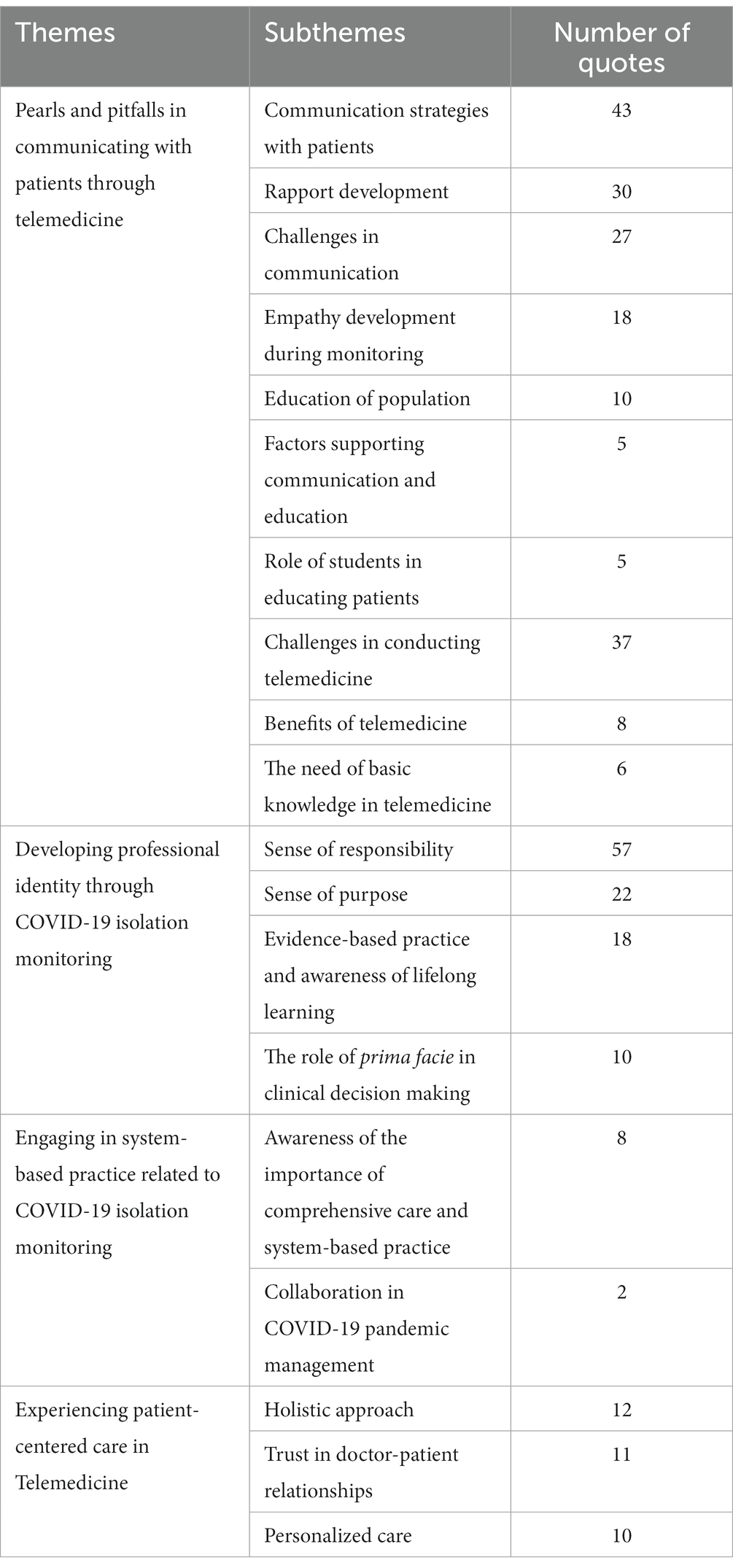
In a recent study, researchers delved into the transformative impact of a telemedicine-based course on undergraduate medical students during the COVID-19 pandemic. As the pandemic reshaped the landscape of healthcare, telemedicine emerged as a vital tool, not only in patient care but also in medical education.

By |December 11, 2024|Categories: Article, Medical Education, Telemedicine|Tags: , |0 Comments

The Transformative Role of AI in Healthcare: Enhancing Patient Care and Health Management

AI technology holds the potential to improve clinical outcomes, reduce healthcare costs, and enhance population health. In the realm of preventive care, AI is being utilized in radiology to expedite cancer screenings, such as mammograms and lung cancer screenings.

By |December 11, 2024|Categories: Article, Artificial Intelligence, Healthcare|Tags: , |0 Comments

Revolutionizing Healthcare: The Future of Medical Networking

The transformation is paving the way for a future where care is more personalized, and the ecosystem is inclusive for medical practitioners and providers to proactively manage patients' health. A key component of this evolution is medical networking, which is being redefined by the collaborative exchange of data among practitioners, professionals, and healthcare facilities.

Innovative Urban Expansion: The UAE’s Vision for Sustainable Living

As the UAE's population continues to surge, developers are seizing the opportunity to transform the sprawling desert into vibrant residential communities.

The Call for Climate Change in Medical Curricula

As the world grapples with the multifaceted impacts of climate change, a new urgency is emerging within the medical community.