
In the ever-evolving world of healthcare, Artificial Intelligence (AI) is no longer a futuristic dream but a burgeoning reality, especially in the realm of cancer diagnosis and treatment. Dr. Peter Yu, the physician-in-chief at the Hartford HealthCare Cancer Institute, sheds light on how AI is transforming the landscape of medical care.

Ai in cancer care

AI: The New Frontier in Cancer Care

AI’s potential in healthcare is vast, with its most promising applications in computer vision. As Dr. Yu explains, this technology, widely used in facial recognition and autonomous driving, can significantly enhance cancer diagnosis. By analyzing digital radiology and pathology images, AI can identify patterns typical of cancer, thus improving diagnostic accuracy and treatment precision.

Furthermore, AI’s role extends to guiding radiation treatment. By using enhanced precision, AI can help protect healthy tissue while targeting cancerous cells, minimizing side effects. Radiation oncologists are exploring AI’s capabilities to better identify cancer margins and program radiation machines for more accurate treatment delivery.

Bridging the Gap: AI as a Medical Translator

AI’s influence is not limited to diagnosis and treatment. Large Language Models, such as those powering ChatGPT, offer a new way to demystify medical jargon. These tools can simplify complex medical documents, making them more accessible to patients. Dr. Yu notes that AI can address common patient queries with speed and accuracy, transforming how patients interact with their medical records.

Ethical Considerations in AI Healthcare

While AI’s potential is exciting, it is not without ethical concerns. Dr. Yu emphasizes the importance of addressing issues such as patient privacy, data sharing, and the accuracy of AI-generated information. There is also the risk of perpetuating systemic biases through AI databases, a challenge that must be navigated carefully.

Prevention: A Human Responsibility

Despite AI’s advancements in cancer care, Dr. Yu reminds us that prevention is a human responsibility. Cancer prevention involves lifestyle choices like HPV and Hepatitis B vaccinations, avoiding tobacco, and maintaining a healthy diet. These steps are crucial in reducing cancer risk, underscoring that while AI can aid in detection and treatment, prevention starts with personal choices.

For more insights on healthcare innovations, visit the original article on Hartford Hospital’s news center.

More Articles

Getting licensed or staying ahead in your career can be a journey—but it doesn’t have to be overwhelming. Grab your favorite coffee or tea, take a moment to relax, and browse through our articles. Whether you’re just starting out or renewing your expertise, we’ve got tips, insights, and advice to keep you moving forward. Here’s to your success—one sip and one step at a time!

Artificial Intelligence in Diagnostics: A Revolution in Healthcare

The global market for artificial intelligence in diagnostics is poised for remarkable growth, with projections estimating it to reach USD 7.3 billion by 2032.

By |December 10, 2024|Categories: Article, Artificial Intelligence, Healthcare|Tags: , |0 Comments

Revolutionizing Medical Education with Extended Reality

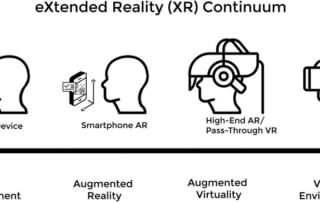
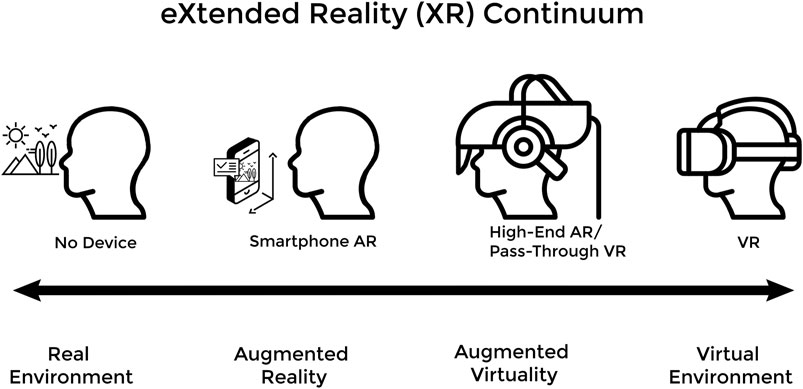
In the ever-evolving landscape of medical education, a new player has emerged, promising to revolutionize the way future doctors are trained. The integration of eXtended Reality (XR) technologies is reshaping the educational landscape by addressing the limitations of traditional methods.

Genetic Testing: A New Dawn in Healthcare

Genetic testing represents more than just a scientific advancement; it signifies a fundamental shift in how we approach health and wellness.

Sustainable Architecture: Blending Innovation with Ecological Responsibility

The journey toward sustainable architecture is ongoing, with each project serving as a beacon of what's achievable when creativity meets ecological awareness.

By |December 9, 2024|Categories: Architecture, Article, Sustainability|Tags: |0 Comments

AI in Clinical and Molecular Diagnostics: A Market on the Rise

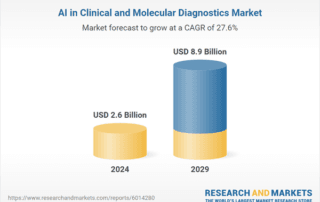
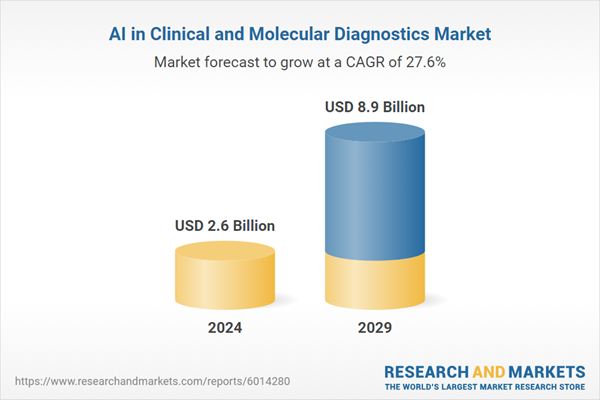
AI in Clinical and Molecular Diagnostics Market is set to experience remarkable growth, projected to surge from USD 2.6 billion in 2024 to USD 8.9 billion by 2029. This growth is driven by the integration of advanced AI technologies such as machine learning and deep learning into traditional diagnostic methodologies like imaging, genomics, and laboratory testing.

AI: A Revolution in Healthcare’s Future

AI is not a distant dream but a present reality, already integrated into everyday life through virtual assistants like Alexa and Siri. AI shows promise in enhancing medical accuracy, such as in predicting mesothelioma survival and improving colonoscopy accuracy, it is not intended to replace healthcare professionals.