In a move that has ignited a fresh wave of controversy, the State Bar of California has acknowledged the use of artificial intelligence in crafting some of its bar exam questions. This revelation comes on the heels of widespread criticism over technical issues faced by examinees during the February bar exams. The legal licensing body, already under fire, now finds itself at the center of a debate over the role of AI in professional testing.
Prospective lawyers have expressed outrage, with many pointing to potential conflicts of interest and questioning the reliability of AI-generated questions. Mary Basick, assistant dean of academic skills at UC Irvine Law School, remarked, “The debacle that was the February 2025 bar exam is worse than we imagined. I’m almost speechless. Having the questions drafted by non-lawyers using artificial intelligence is just unbelievable.”
The original article from the Los Angeles Times provides a detailed account of the controversy, highlighting the broader implications of AI adoption in legal assessments.
The State Bar’s decision to incorporate AI was partly driven by financial constraints, as it sought to cut costs by moving away from the traditional Multistate Bar Examination. Instead, it entered into a deal with Kaplan Exam Services to develop exam questions, a move that has not been without its critics.
According to a recent presentation by the State Bar, a subset of the questions was developed with AI assistance by ACS Ventures, the State Bar’s independent psychometrician. This has raised questions about the integrity and validity of the exam, which the State Bar has defended, citing that all questions were reviewed by content validation panels and subject matter experts.
Katie Moran, an associate professor at the University of San Francisco School of Law, criticized the State Bar’s approach, stating, “The State Bar has admitted they employed a company to have a non-lawyer use AI to draft questions that were given on the actual bar exam. They then paid that same company to assess and ultimately approve of the questions on the exam, including the questions the company authored.”
The controversy has prompted calls for transparency and procedural changes, with some advocating for a return to traditional in-person exams. The California Supreme Court has directed the State Bar to plan for in-person exams in July, a move that underscores the challenges of remote testing.
In light of these developments, the State Bar has been urged to release all 200 questions from the February exam for public scrutiny. Critics argue this is necessary to restore confidence in the testing process and ensure future examinees are adequately prepared.
As the debate continues, the State Bar’s use of AI in exam development remains a contentious issue, highlighting the complexities of integrating new technologies into established professional practices.


More Articles

Getting licensed or staying ahead in your career can be a journey—but it doesn’t have to be overwhelming. Grab your favorite coffee or tea, take a moment to relax, and browse through our articles. Whether you’re just starting out or renewing your expertise, we’ve got tips, insights, and advice to keep you moving forward. Here’s to your success—one sip and one step at a time!

A New Blueprint for True Florida Affordability: Jayden D’Onofrio Pushes for Real Relief in 2026

Florida families are feeling the squeeze as everyday costs, insurance premiums, and homeownership barriers continue to climb. House District 102 candidate Jayden D’Onofrio is calling for a broader, more unified affordability strategy—one that tackles the state’s insurance crisis, supports first‑time homebuyers, and restores real competition in the market. His message centers on transparency, practical solutions, and keeping Florida livable for the professionals, workers, and families who power its economy.

Health Insurance Shake‑Up: America’s Coverage Markets Enter a New Era

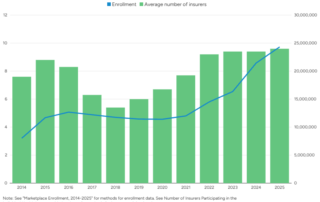
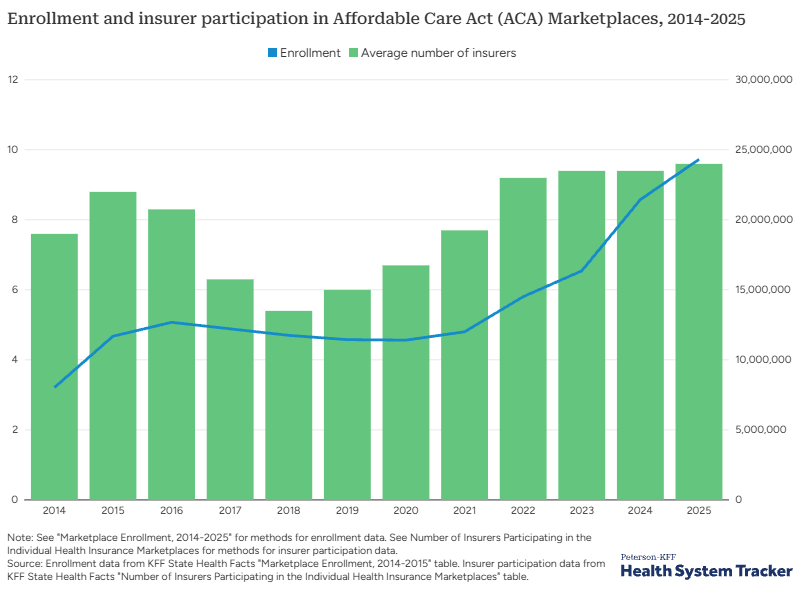
A decade of dramatic change is reshaping America’s health insurance markets. Employer group plans are becoming increasingly dominated by a few powerful insurers, while the ACA individual marketplace is experiencing record‑breaking competition and enrollment. Self‑funded plans are surging, small‑group premiums are driving employers to new coverage models, and major policy shifts in 2025 could redefine affordability for millions. This data‑driven Peterson‑KFF analysis breaks down the trends every insurance, finance, and business professional needs to understand as the industry enters a transformative new era.

Florida’s Next Mega‑Development: Winchester Ranch Set to Transform North Port

Sarasota County is inching closer to approving Winchester Ranch, a massive 8,999‑home community planned for more than 3,100 acres in North Port. With a 7‑1 vote from the Planning Commission and a final decision expected in early 2026, the project could become one of Southwest Florida’s largest developments in decades—bringing new housing, commercial space, and industry while raising fresh questions about growth, the environment, and the region’s rapidly evolving real estate market.

Lument Finance Trust Closes $664 Million CRE CLO, Signaling Strength in 2025 Markets

Lument Finance Trust has closed a major $663.8 million commercial real estate CLO, marking one of the standout CRE finance deals of 2025. The transaction, LMNT 2025-FL3, features a strong reinvestment period, non‑recourse and non‑mark‑to‑market financing, and a diversified pool of 32 loans tied to 49 properties nationwide. With J.P. Morgan leading the structuring and more than $585 million placed in investment‑grade securities, the deal highlights renewed stability in transitional CRE debt—making it a development real estate and finance professionals will want to watch closely.

Walmart Launches America’s Largest 3D‑Printed Commercial Building Initiative

Walmart has partnered with Alquist 3D to roll out the nation’s first large‑scale wave of 3D‑printed commercial buildings, signaling a major shift in how future retail and industrial spaces will be constructed. After completing an 8,000‑square‑foot 3D‑printed expansion in Tennessee—the largest of its kind—the company is moving forward with over a dozen new projects nationwide, accelerating a tech‑driven transformation in commercial real estate.

Citizens Insurance Proposes 2026 Rate Cuts, Signaling Relief for Florida’s Property Market

Citizens Property Insurance Corp. is recommending statewide rate reductions for 2026—the first proposed decrease in more than a decade. Most Citizens policyholders could see an average 11.5% drop, reflecting recent insurance‑market reforms that have stabilized Florida’s turbulent property sector. With hundreds of thousands of policies moving back to private insurers and state‑backed Citizens shrinking to record‑low enrollment, real estate and insurance professionals should prepare for how lower premiums may influence affordability, buyer confidence, and market activity heading into 2026.