In a move that has ignited a fresh wave of controversy, the State Bar of California has acknowledged the use of artificial intelligence in crafting some of its bar exam questions. This revelation comes on the heels of widespread criticism over technical issues faced by examinees during the February bar exams. The legal licensing body, already under fire, now finds itself at the center of a debate over the role of AI in professional testing.
Prospective lawyers have expressed outrage, with many pointing to potential conflicts of interest and questioning the reliability of AI-generated questions. Mary Basick, assistant dean of academic skills at UC Irvine Law School, remarked, “The debacle that was the February 2025 bar exam is worse than we imagined. I’m almost speechless. Having the questions drafted by non-lawyers using artificial intelligence is just unbelievable.”
The original article from the Los Angeles Times provides a detailed account of the controversy, highlighting the broader implications of AI adoption in legal assessments.
The State Bar’s decision to incorporate AI was partly driven by financial constraints, as it sought to cut costs by moving away from the traditional Multistate Bar Examination. Instead, it entered into a deal with Kaplan Exam Services to develop exam questions, a move that has not been without its critics.
According to a recent presentation by the State Bar, a subset of the questions was developed with AI assistance by ACS Ventures, the State Bar’s independent psychometrician. This has raised questions about the integrity and validity of the exam, which the State Bar has defended, citing that all questions were reviewed by content validation panels and subject matter experts.
Katie Moran, an associate professor at the University of San Francisco School of Law, criticized the State Bar’s approach, stating, “The State Bar has admitted they employed a company to have a non-lawyer use AI to draft questions that were given on the actual bar exam. They then paid that same company to assess and ultimately approve of the questions on the exam, including the questions the company authored.”
The controversy has prompted calls for transparency and procedural changes, with some advocating for a return to traditional in-person exams. The California Supreme Court has directed the State Bar to plan for in-person exams in July, a move that underscores the challenges of remote testing.
In light of these developments, the State Bar has been urged to release all 200 questions from the February exam for public scrutiny. Critics argue this is necessary to restore confidence in the testing process and ensure future examinees are adequately prepared.
As the debate continues, the State Bar’s use of AI in exam development remains a contentious issue, highlighting the complexities of integrating new technologies into established professional practices.


More Articles

Getting licensed or staying ahead in your career can be a journey—but it doesn’t have to be overwhelming. Grab your favorite coffee or tea, take a moment to relax, and browse through our articles. Whether you’re just starting out or renewing your expertise, we’ve got tips, insights, and advice to keep you moving forward. Here’s to your success—one sip and one step at a time!

The Rise of Fintech: How Technology Is Reshaping Money and Modern Careers

Fintech has evolved from simple digital banking tools into a global force transforming how we pay, borrow, invest, and manage financial data. With AI, blockchain, and open banking leading the way, fintech is opening new opportunities for consumers, businesses, and professionals across real estate, mortgage, insurance, and finance.

Large CRE Deals Surge in Q3 2025 as Market Confidence Returns

After months of hesitation, the commercial real estate market showed a major resurgence in Q3 2025. Large single‑asset transactions over $10 million jumped to $76 billion — the strongest level since 2022 — signaling renewed liquidity and growing confidence among institutional buyers. While overall volumes remain below peak highs, rising deal counts, stabilizing prices, and increased activity across industrial, multifamily, office, and retail sectors point toward a market steadily moving back toward normalization.

California’s Insurance Crisis: Politics, Wildfires, and a System on the Brink

California’s property insurance market didn’t collapse overnight—it unraveled over years of political delays, soaring wildfire losses, and mounting pressure on insurers and reinsurers. As major carriers pulled out and rate approvals stalled, millions of homeowners were left scrambling for coverage under an overwhelmed FAIR Plan. At the center of the controversy stands Insurance Commissioner Ricardo Lara, whose decisions, industry ties, and behind‑the‑scenes negotiations have drawn sharp criticism. The result is a destabilized market affecting homeowners, real estate professionals, lenders, and entire communities—and the question of whether current reforms can truly fix what’s broken.

Large U.S. CRE Deals Roar Back in Q3 2025, Signaling Investor Confidence

After a slow start to the year, commercial real estate showed a major resurgence in Q3 2025 as large single‑asset deals over $10 million surged past $76 billion in volume. With 1,826 major trades and the strongest growth rate in more than a decade, investor confidence appears to be returning across U.S. markets. While overall volumes still trail the record highs of 2021–2022, the renewed momentum in big‑ticket transactions points to improving liquidity, clearer pricing, and a potentially pivotal turning point for brokers, investors, and industry professionals.

California’s Insurance Meltdown: The Crisis Reshaping Real Estate, Finance, and Insurance Nationwide

California’s property insurance market has unraveled into one of the most expensive and consequential crises in U.S. history. Major carriers pulled back, wildfire risks soared, regulators stalled, and the state’s FAIR Plan exploded in size — leaving hundreds of thousands of homeowners without affordable coverage. Now, with victims underinsured, premiums surging, and a billion‑dollar bailout looming, the fallout is spilling beyond California. For real estate, mortgage, finance, and insurance professionals across the country, this is a warning of what happens when rising climate risks collide with outdated regulatory systems.

Florida’s Next Mega-Development: Winchester Ranch Set to Add Nearly 9,000 Homes in Sarasota County

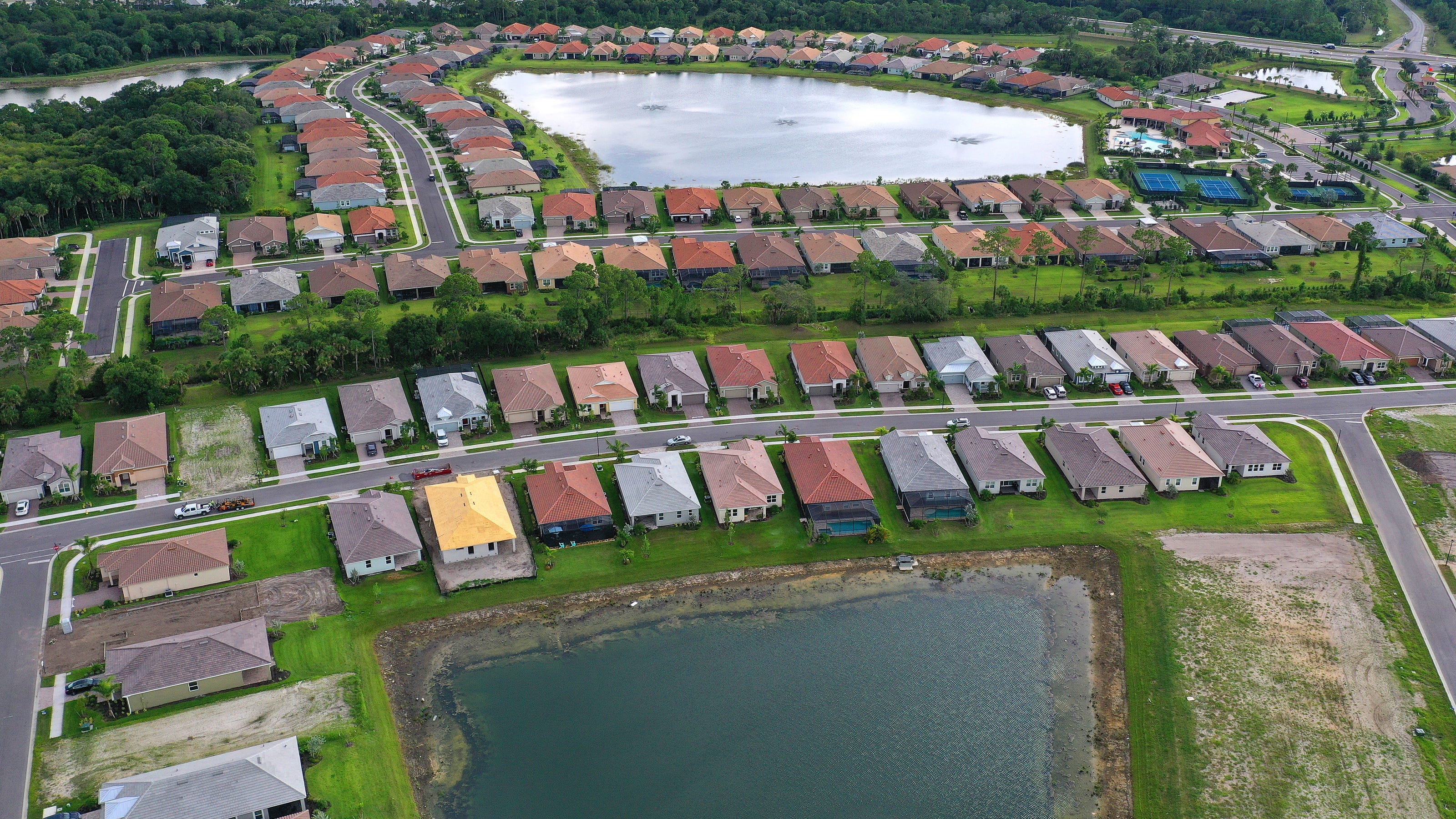
Sarasota County is on the brink of one of its largest modern expansions as the Winchester Ranch project moves closer to approval. Spanning more than 3,100 acres near North Port, the planned mega-development could bring up to 8,999 homes plus major commercial and industrial space. With construction projected to begin in 2027–2028, the community has sparked both excitement over new housing opportunities and concerns about environmental impact, placing it at the center of Florida’s ongoing growth debate.