AI Tools Are Reshaping How Agents Connect With Buyers Heading Into 2026
As 2026 approaches, real estate technology leaders are unveiling the next generation of AI-driven breakthroughs designed to shorten the distance between buyer curiosity and real conversations. For today’s real estate professional, one message stands tall: the future will reward those who embrace intelligent, intent‑aware systems.
The Rise of Conversational, Intent‑Driven Search
Inside Real Estate is commanding attention with its new HomeSearch AI — a natural‑language search engine that interprets how buyers really talk when describing their ideal home. Forget rigid filters. Buyers can now speak in full, human descriptions.
“Someone types in ‘craftsman with a two-car garage, spa-like bathrooms, in a neighborhood with sidewalks and parks’, and the AI understands what they really want,” said Joe Skousen, CEO of Inside Real Estate.
Early adopters report revived databases and renewed client activity — a reminder that sometimes the difference between a silent browser and a warm lead is simply better interpretation.
PropStream Reinvents the Lead as an Opportunity
PropStream is also redefining industry language. Instead of chasing “leads,” the company emphasizes targeted opportunities powered by predictive analytics. These systems highlight likely movers and send timely prompts so agents can take action before competitors even notice.
“I’m always careful now not to say ‘leads,’ but to say ‘opportunities,’” explained Brian Tepfer, CEO of PropStream.
This shift empowers agents to take initiative instead of waiting for forms to be filled — turning reactive business models into proactive pipelines.
MoxiWorks Introduces Relationship Intelligence
MoxiWorks’ newest platform, RISE, adds yet another layer: relationship intelligence. The system identifies ideal outreach moments and helps agents deploy personalized campaigns in minutes.
“The AI isn’t smarter than the agent, but the AI is bringing to the surface something the agent wasn’t thinking about or didn’t have the time to get to yet,” noted Kim Koraca, CMO of MoxiWorks.
This model keeps the agent’s expertise front‑and‑center while the technology quietly handles background analysis — a partnership of intuition and innovation.
What This Means for Agents in 2026
Across the industry, a unified mission is becoming clear: AI is accelerating the path between interest, insight and conversation. For agents, this means more meaningful client interactions and more precise timing than ever before.
And as the industry grows increasingly tech‑driven, professional education becomes essential. That’s where Cameron Academy continues to serve both new and seasoned professionals — offering Florida real estate licensing, renewals, and skill‑boosting courses built for the modern marketplace.
Getting licensed or staying ahead in your career can be a journey—but it doesn’t have to be overwhelming. Grab your favorite coffee or tea, take a moment to relax, and browse through our articles. Whether you’re just starting out or renewing your expertise, we’ve got tips, insights, and advice to keep you moving forward. Here’s to your success—one sip and one step at a time!
A federal judge has denied class‑certification in the high‑stakes Batton commission lawsuit, delivering a temporary win for NAR and major brokerages while leaving the door open for plaintiffs to try again. With as much as $3.6 billion in potential damages on the line and nearly 80% of the proposed class now disqualified due to conflicts with earlier settlements, the case stands at a pivotal moment. Real estate professionals nationwide — especially in Florida — should watch closely, as the ruling could shape the future of buyer‑agent compensation.
Florida homeowners are paying nearly double the national average for insurance, with premiums now reaching $5,838 a year and denied claims topping 40 percent. Residents report tripled rates, underpaid claims, and mounting financial strain, pushing lawmakers in Tallahassee to propose caps on rate hikes, tax breaks for storm‑proof upgrades, and tighter oversight of insurers. These developments are reshaping real estate and insurance conversations across the state as professionals brace for major industry shifts.
Berkshire County closed Q3 2025 with strong momentum as sales, dollar volume, and buyer competition all climbed year‑over‑year. Inventory showed slight improvement but remains far below demand, keeping the market tilted toward sellers. Single‑family homes and condos led the surge, while multifamily, land, and commercial sectors showed mixed performance. The region continues to stand out as one of New England’s most resilient real estate markets heading into 2026.
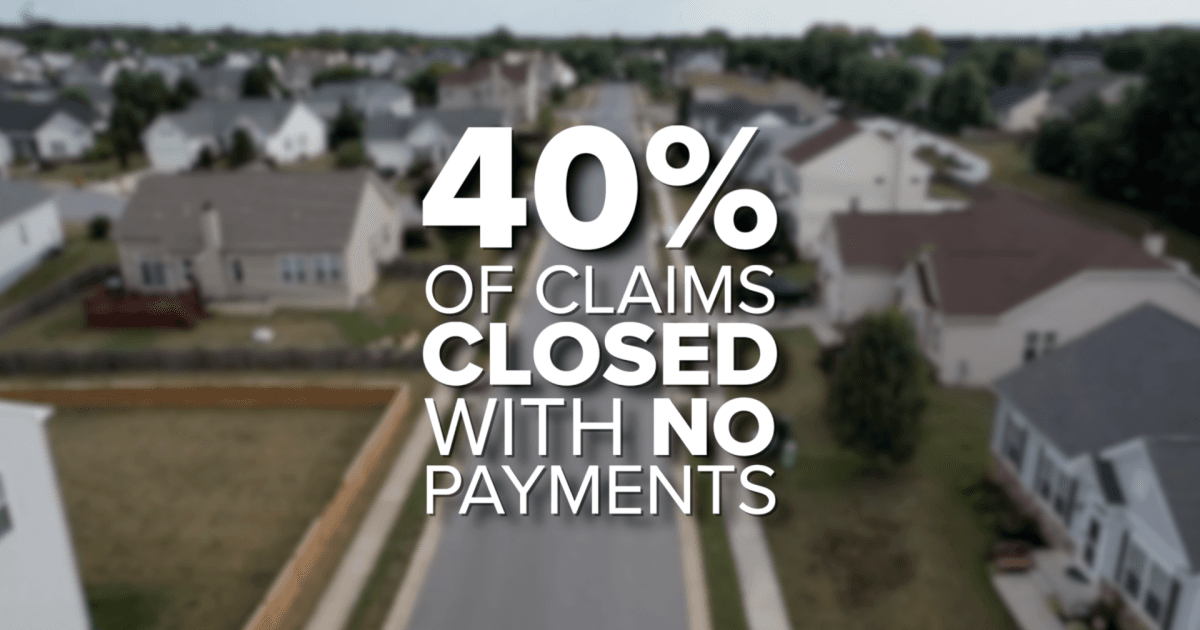
Florida homeowners now face the highest insurance burdens in the nation, with average premiums topping $5,800 per year—roughly $3,000 above the national average. As rates triple for some residents, more Floridians are skipping coverage altogether, while denied claims and slow payouts add to the frustration. With over 40 percent of claims closing with no payment and lawmakers battling over reform in Tallahassee, the crisis is reshaping budgets, homebuying decisions, and the real estate industry statewide.
Global capital is surging back into real estate—and this time, investors want more control. Colliers’ 2026 Global Investor Outlook reveals a major shift toward direct investments, joint ventures, and hands‑on strategies as money moves across North America, Europe, and the booming Asia‑Pacific markets. Data centers are now the top‑funded asset class, offices are staging a comeback, and adaptive reuse is reshaping cities worldwide. For real estate and finance professionals, the message is clear: opportunity is accelerating, and those with the right education and licensing will be at the center of the action.
The Fed’s recent rate cuts should have offered relief to commercial real estate—but long-term borrowing costs haven’t budged. While short‑term rates are falling, stubborn long‑term yields, broken deal math, and a trillion‑dollar refinancing wave are keeping the market frozen. For investors and professionals across Florida and the nation, understanding this disconnect is key to navigating the opportunities and risks emerging in today’s shifting CRE landscape.