AI Tools Are Reshaping How Agents Connect With Buyers Heading Into 2026
As 2026 approaches, real estate technology leaders are unveiling the next generation of AI-driven breakthroughs designed to shorten the distance between buyer curiosity and real conversations. For today’s real estate professional, one message stands tall: the future will reward those who embrace intelligent, intent‑aware systems.
The Rise of Conversational, Intent‑Driven Search
Inside Real Estate is commanding attention with its new HomeSearch AI — a natural‑language search engine that interprets how buyers really talk when describing their ideal home. Forget rigid filters. Buyers can now speak in full, human descriptions.
“Someone types in ‘craftsman with a two-car garage, spa-like bathrooms, in a neighborhood with sidewalks and parks’, and the AI understands what they really want,” said Joe Skousen, CEO of Inside Real Estate.
Early adopters report revived databases and renewed client activity — a reminder that sometimes the difference between a silent browser and a warm lead is simply better interpretation.
PropStream Reinvents the Lead as an Opportunity
PropStream is also redefining industry language. Instead of chasing “leads,” the company emphasizes targeted opportunities powered by predictive analytics. These systems highlight likely movers and send timely prompts so agents can take action before competitors even notice.
“I’m always careful now not to say ‘leads,’ but to say ‘opportunities,’” explained Brian Tepfer, CEO of PropStream.
This shift empowers agents to take initiative instead of waiting for forms to be filled — turning reactive business models into proactive pipelines.
MoxiWorks Introduces Relationship Intelligence
MoxiWorks’ newest platform, RISE, adds yet another layer: relationship intelligence. The system identifies ideal outreach moments and helps agents deploy personalized campaigns in minutes.
“The AI isn’t smarter than the agent, but the AI is bringing to the surface something the agent wasn’t thinking about or didn’t have the time to get to yet,” noted Kim Koraca, CMO of MoxiWorks.
This model keeps the agent’s expertise front‑and‑center while the technology quietly handles background analysis — a partnership of intuition and innovation.
What This Means for Agents in 2026
Across the industry, a unified mission is becoming clear: AI is accelerating the path between interest, insight and conversation. For agents, this means more meaningful client interactions and more precise timing than ever before.
And as the industry grows increasingly tech‑driven, professional education becomes essential. That’s where Cameron Academy continues to serve both new and seasoned professionals — offering Florida real estate licensing, renewals, and skill‑boosting courses built for the modern marketplace.
Getting licensed or staying ahead in your career can be a journey—but it doesn’t have to be overwhelming. Grab your favorite coffee or tea, take a moment to relax, and browse through our articles. Whether you’re just starting out or renewing your expertise, we’ve got tips, insights, and advice to keep you moving forward. Here’s to your success—one sip and one step at a time!
Fort Myers Beach is becoming the front line of a new Florida—one shaped by hurricane devastation, soaring insurance premiums, and rapid gentrification. Three years after Hurricane Ian, residents are still battling massive rebuilding costs and insurance bills that now exceed $5,700 a year on average, with flood insurance reaching $10,000 for some families. Long-time locals, small businesses, and service workers are being priced out as wealthy investors move in, transforming once-affordable coastal communities. Real estate professionals warn that foreclosures may rise if economic pressures continue, signaling a pivotal moment for Florida’s housing market and the professionals who serve it.
Economic uncertainty, AI disruption, slowing population growth, and rising portfolio risk are reshaping commercial real estate heading into 2026. A new report unveiled at NAR NXT highlights the forces that will reward informed professionals — and challenge those who aren’t prepared. From fiscal policy and shifting capital flows to tech transformation and housing shortages, the landscape is evolving fast. Cameron Academy breaks down the key issues so real estate, mortgage, finance, and insurance professionals can stay ahead of the curve.
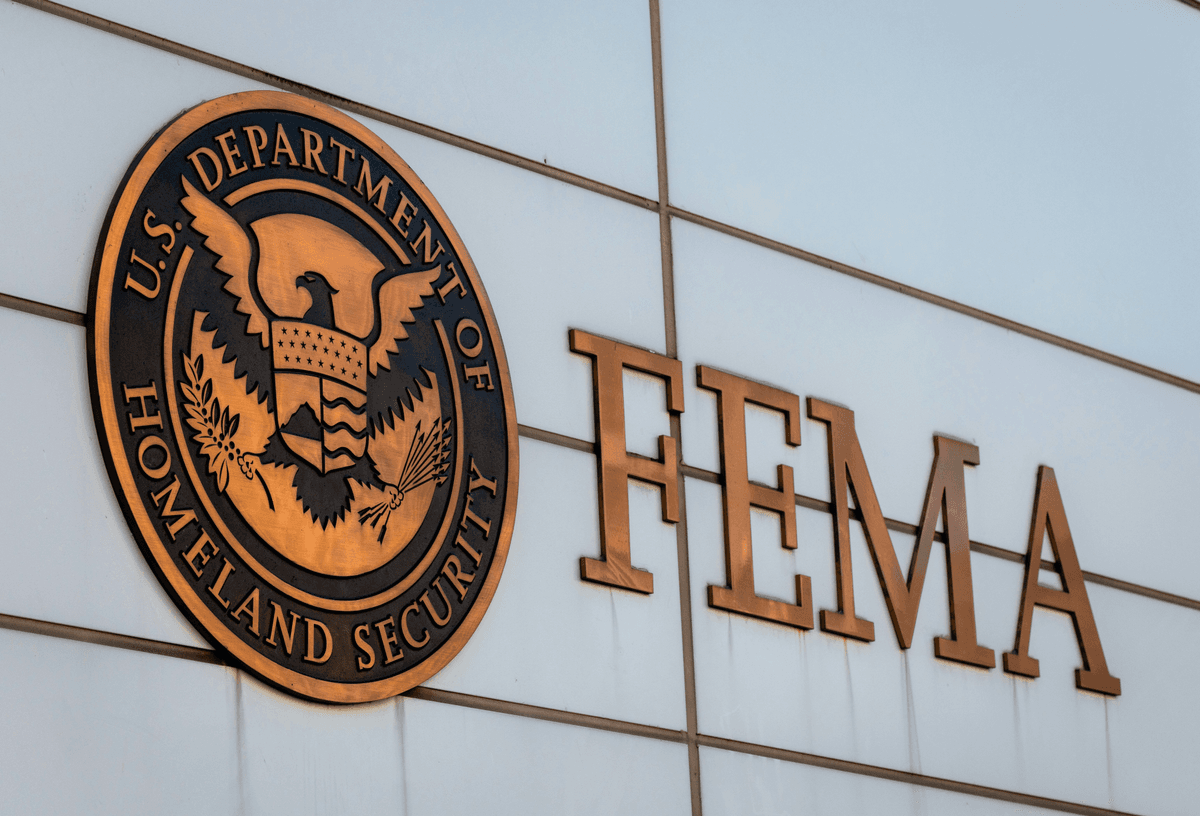
A sudden federal shutdown of FEMA’s BRIC resiliency program has left cities and commercial property owners scrambling, exposing billions in real estate to rising climate threats. With nearly a billion dollars in mitigation funding clawed back and extreme weather intensifying, insurance premiums are expected to surge and coverage may shrink — placing new pressure on markets like Florida and New York.
A new Florida Senate bill aims to stop cities and counties from blocking residential developments over vague “compatibility” concerns. Supporters say the measure would speed up homebuilding and ease housing shortages, while opponents argue it strips communities of essential oversight and could accelerate growth without proper planning. The proposal could reshape development timelines and land-use decisions statewide, making it a major issue for real estate professionals to watch.
Cape Coral–Fort Myers has officially moved into buyer-friendly territory, with homes now sitting a median 119 days on the market—far longer than both the Florida and U.S. averages. Rising inventory, a 36.9 percent price‑reduction rate, and slower absorption compared to accumulated supply are giving buyers more leverage and time to negotiate, signaling a meaningful reset in this once‑fast‑moving Florida market.
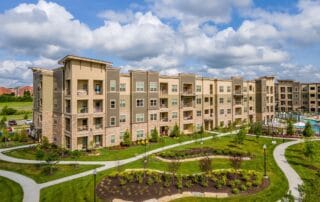
Kansas City’s commercial real estate sector is finally turning a corner after several years of sluggish activity. Retail is leading the rebound, while multifamily and industrial properties are gaining traction as pricing stabilizes and buyer confidence returns. A standout 2025 transaction—the sale of the 380‑unit Cyan Southcreek community—signals that capital is flowing back into the market. With bid‑ask spreads tightening and investor optimism rising, Kansas City is entering a period of renewed opportunity for real estate professionals and investors alike.


 Florida’s Middle Class Is Being Squeezed Out: Insurance Costs, Rebuilding Struggles, and a Changing Coastline Gallery