In the ever-evolving landscape of health care, artificial intelligence (AI) is emerging as a transformative force, bridging the gap between academic institutions and clinical practice. As reported by Oncology Nurse Advisor, AI is revolutionizing diagnostics, treatment, and patient care, with significant advancements particularly noted in fields like radiology and oncology.


AI’s potential to enhance diagnostic accuracy has been a focal point, as its integration with physician diagnoses is believed to improve confidence and system performance. The original article highlights how AI is being utilized to develop automated cancer detection software, which is crucial for early diagnosis and personalized treatment regimens.


AI in Academic vs Clinical Settings

While academic institutions are at the forefront of AI research, focusing on developing and validating digital therapeutic tools, clinical practices are leveraging AI primarily to improve workflow efficiency. Dr. Ravi B Parikh from the University of Pennsylvania emphasizes that AI tools approved by the FDA are often more accessible to larger academic health systems, leaving smaller clinics at a disadvantage due to cost and data limitations.


Despite these challenges, the potential for AI to reduce the administrative burden in clinical settings is promising. AI can streamline tasks such as billing and claims processing, which could significantly enhance patient satisfaction and management.


Remote Monitoring and Telemedicine

The COVID-19 pandemic has accelerated investment in remote monitoring technologies, with AI-powered wearables and virtual nursing assistants emerging as key tools for patient care. These innovations are particularly beneficial for underserved areas, where AI-driven diagnostic tools can aid health care professionals in making accurate diagnoses based on patient-reported symptoms.


However, device literacy remains a barrier, as noted by Dr. Parikh, who calls for solutions that enhance the ability to process patient visits and improve documentation without necessarily requiring FDA approval.


The Future of AI in Health Care

AI and machine learning hold the promise of more precise immune therapies, improved clinical decision-making, and ultimately, better patient outcomes. Dr. Parikh predicts that within the next 5 to 10 years, AI will become as integrated into health care as electronic health records once were.


As AI continues to evolve, the focus must remain on making these technologies accessible to all health care providers, ensuring that the benefits of AI are felt across both large academic systems and community-based health facilities.



More Articles

Getting licensed or staying ahead in your career can be a journey—but it doesn’t have to be overwhelming. Grab your favorite coffee or tea, take a moment to relax, and browse through our articles. Whether you’re just starting out or renewing your expertise, we’ve got tips, insights, and advice to keep you moving forward. Here’s to your success—one sip and one step at a time!

The Digital Healthcare Revolution: Transforming Patient Care with Technology

The global digital health market is set to skyrocket, with projections estimating it will reach $551.09 billion by 2027. This growth is fueled by innovations that are setting new benchmarks in healthcare delivery.

By |November 28, 2024|Categories: Article, Healthcare, Technology|Tags: , |0 Comments

University of Pennsylvania Pioneers the Planetary Health Curriculum

This innovative program equips medical students with the knowledge to understand and mitigate the effects of climate change on human health.

The Deep-Learning Triple Threat Transforming Medical Imaging

AI is being hailed as a "triple threat" in radiology, impacting planning, scanning, and diagnosis. As detailed in a recent column by Kelly Londy of GE HealthCare, these intelligent imaging systems are ushering in seismic changes reminiscent of the transformative impact of computer-assisted tomography in the late 20th century.

Federal Reserve’s Interest Rate Cut: Implications for the Housing Market

In a significant move that has captured the attention of economists and homebuyers alike, the Federal Reserve recently announced a half-percentage-point cut in interest rates. This decision is poised to bring about notable changes in the housing market, though not all effects may be beneficial for prospective homeowners.

By |November 27, 2024|Categories: Article, Economics, Real Estate|Tags: , |0 Comments

Public Perceptions of AI in Healthcare: A Balancing Act Between Innovation and Ethics

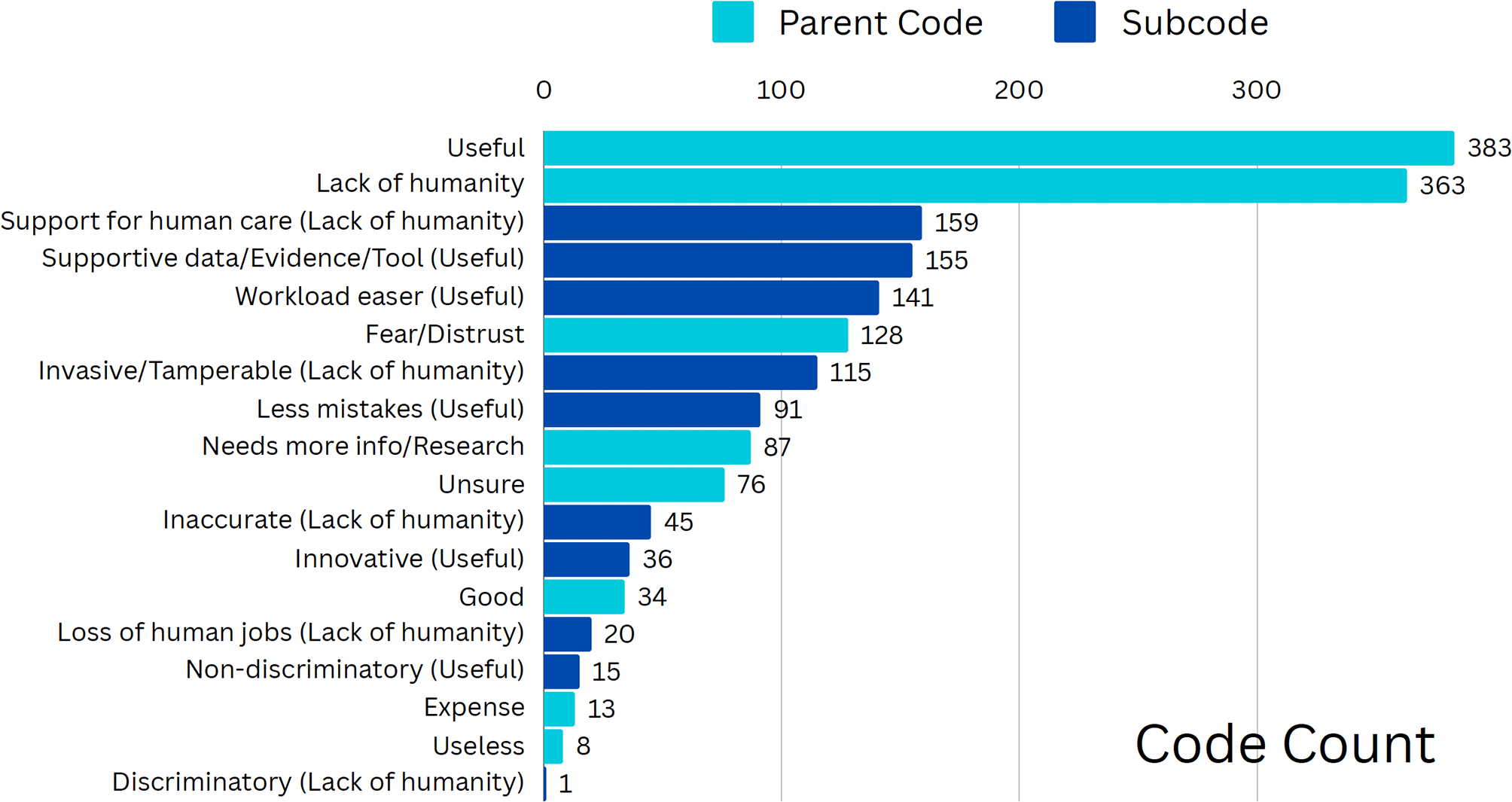
In the rapidly evolving landscape of healthcare, the integration of artificial intelligence (AI) stands as a beacon of both promise and concern. The research underscores a significant tension: while AI has the capability to enhance healthcare delivery, there is palpable unease about its impact on the traditional physician-patient relationship.

By |November 27, 2024|Categories: Article, Ethics, Healthcare|Tags: , |0 Comments

The Ethical Dilemmas of AI: A Modern Conundrum

As artificial intelligence (AI) technology advances, it presents a myriad of ethical dilemmas and challenges that demand urgent attention. The USC Annenberg School for Communication and Journalism recently explored these pressing issues, highlighting the complexities involved in AI's deployment.

By |November 27, 2024|Categories: Article, Ethics, Technology|Tags: , |0 Comments