In the ever-evolving landscape of health care, artificial intelligence (AI) is emerging as a transformative force, bridging the gap between academic institutions and clinical practice. As reported by Oncology Nurse Advisor, AI is revolutionizing diagnostics, treatment, and patient care, with significant advancements particularly noted in fields like radiology and oncology.


AI’s potential to enhance diagnostic accuracy has been a focal point, as its integration with physician diagnoses is believed to improve confidence and system performance. The original article highlights how AI is being utilized to develop automated cancer detection software, which is crucial for early diagnosis and personalized treatment regimens.


AI in Academic vs Clinical Settings

While academic institutions are at the forefront of AI research, focusing on developing and validating digital therapeutic tools, clinical practices are leveraging AI primarily to improve workflow efficiency. Dr. Ravi B Parikh from the University of Pennsylvania emphasizes that AI tools approved by the FDA are often more accessible to larger academic health systems, leaving smaller clinics at a disadvantage due to cost and data limitations.


Despite these challenges, the potential for AI to reduce the administrative burden in clinical settings is promising. AI can streamline tasks such as billing and claims processing, which could significantly enhance patient satisfaction and management.


Remote Monitoring and Telemedicine

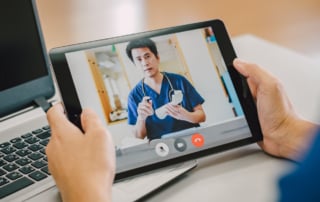
The COVID-19 pandemic has accelerated investment in remote monitoring technologies, with AI-powered wearables and virtual nursing assistants emerging as key tools for patient care. These innovations are particularly beneficial for underserved areas, where AI-driven diagnostic tools can aid health care professionals in making accurate diagnoses based on patient-reported symptoms.


However, device literacy remains a barrier, as noted by Dr. Parikh, who calls for solutions that enhance the ability to process patient visits and improve documentation without necessarily requiring FDA approval.


The Future of AI in Health Care

AI and machine learning hold the promise of more precise immune therapies, improved clinical decision-making, and ultimately, better patient outcomes. Dr. Parikh predicts that within the next 5 to 10 years, AI will become as integrated into health care as electronic health records once were.


As AI continues to evolve, the focus must remain on making these technologies accessible to all health care providers, ensuring that the benefits of AI are felt across both large academic systems and community-based health facilities.


More Articles

Getting licensed or staying ahead in your career can be a journey—but it doesn’t have to be overwhelming. Grab your favorite coffee or tea, take a moment to relax, and browse through our articles. Whether you’re just starting out or renewing your expertise, we’ve got tips, insights, and advice to keep you moving forward. Here’s to your success—one sip and one step at a time!

Precision Medicine Market: A Tailored Approach Revolutionizing Healthcare

With increasing governmental and private investments, the demand for precision medicine is expected to rise steadily. The commitment to addressing chronic conditions, coupled with strategic industry collaborations and advanced diagnostic tools, will sustain market growth.

U.S. Wearable Medical Devices Market: Growth Trends and Future Prospects

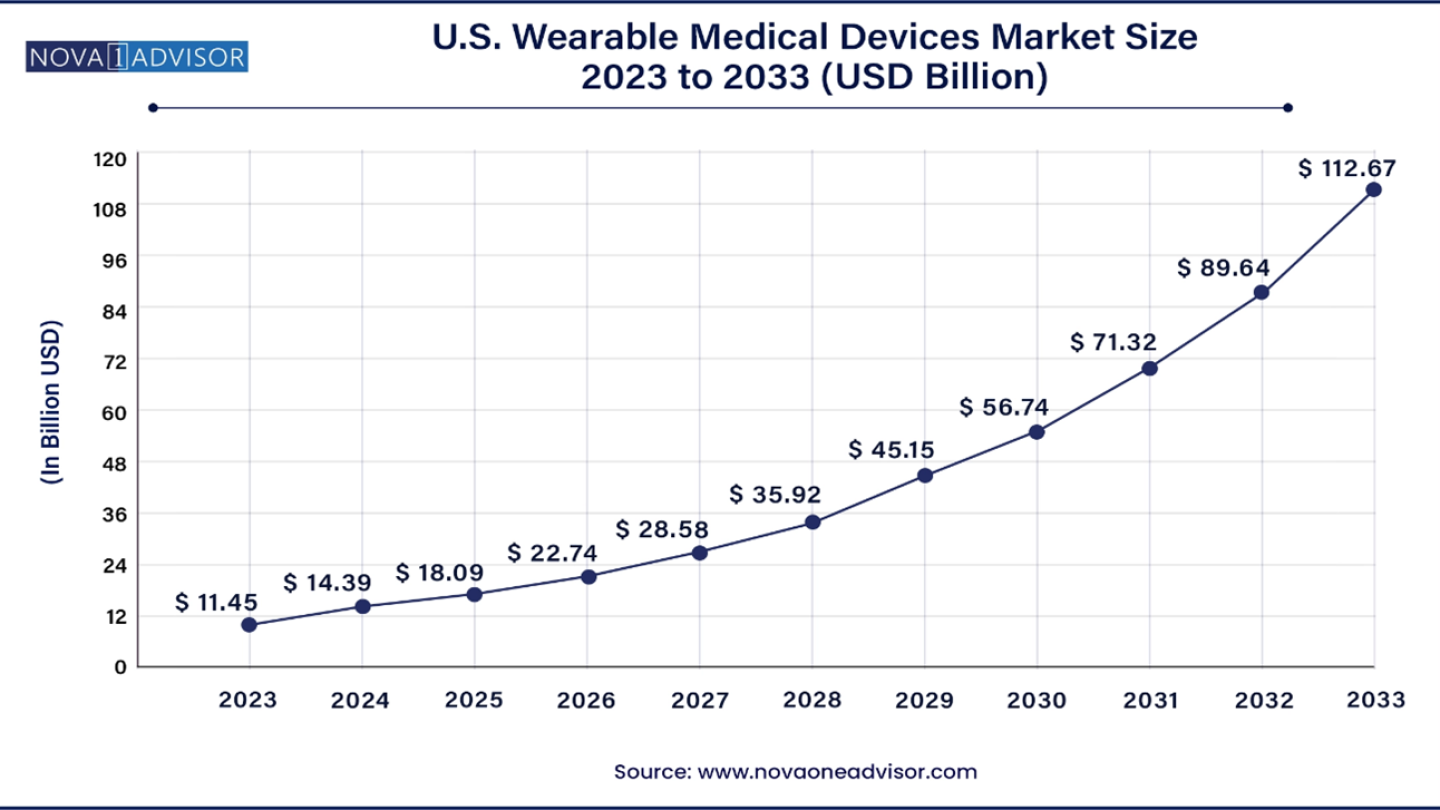
The U.S. wearable medical devices market, currently valued at an estimated $11.45 billion in 2023, is set to experience an astronomical rise to approximately $112.67 billion by 2033.

By |December 3, 2024|Categories: Article, Healthcare, Technology|Tags: |0 Comments

The Future of Real Estate Market: What Lies Ahead?

The real estate market is on the brink of transformation, captivating the attention of buyers, sellers, investors, and industry professionals. As we look toward the end of 2024, experts predict a shift in the landscape, particularly with home prices expected to decline due to increased inventory levels.

By |December 3, 2024|Categories: Article, Market Trends, Real Estate|Tags: , |0 Comments

Bridging the Healthcare Gap in Rural Areas with Telehealth

According to the World Health Organization (WHO), nearly two billion people in rural and remote areas worldwide lack access to essential healthcare solutions. This staggering statistic highlights a critical issue: the digital divide that limits telehealth services, primarily due to inadequate broadband access.

By |December 2, 2024|Categories: Article, Healthcare, Technology|Tags: , |0 Comments

Navigating Ethical Challenges: AI in Healthcare

As AI becomes a staple in medical practice, it carries the risk of reinforcing existing biases entrenched in historical data. These biases can lead to skewed outcomes, particularly affecting marginalized communities such as the LGBTQIA+ and certain ethnic groups.

By |December 2, 2024|Categories: Article, Ethics, Healthcare|Tags: , |0 Comments

New SCLC Biomarkers Enable Advances in Precision Medicine Approaches

A groundbreaking study published in Volume 15 of Oncotarget on October 11, 2024, titled 'Relationship between the expressions of DLL3, ASC1, TTF-1 and Ki-67: First steps of precision medicine at SCLC' showcases pivotal advancements in the fight against small cell lung cancer (SCLC).

By |December 2, 2024|Categories: Article, Cancer Treatment, Medical Research|Tags: , |0 Comments