AI’s Expanding Role: Balancing Innovation and Responsibility
The rapid advancement of artificial intelligence (AI) technologies is reshaping the world around us, often without us even realizing it. Whether it’s in healthcare, finance, or governance, AI’s influence is pervasive. Yet, as we embrace these innovations, we must also grapple with the ethical concerns they bring, such as fairness, bias, security, and resilience.
According to a recent article by the National Institute of Standards and Technology (NIST), these concerns are not merely academic. As AI systems become integral to processes like consumer credit underwriting, the need for trustworthy and responsible AI becomes paramount.
Understanding Bias in AI
A comprehensive report on AI bias by NIST highlights that fairness and bias are complex issues that can’t be reduced to simple statistics. The report underscores the importance of context in understanding these biases, especially in sectors like finance where decisions can have significant impacts on lives.
For instance, AI’s role in determining creditworthiness raises questions about fairness. Historical data used to train AI systems often reflects societal biases, potentially perpetuating inequalities. To address this, NIST is leading efforts to develop guidance and testing infrastructure aimed at mitigating AI bias in specific contexts, starting with consumer credit underwriting.
Collaborative Efforts to Mitigate Bias
NIST’s work involves collaboration with industry partners, from small startups to large banks, to gather insights and develop tools that detect and manage bias. Workshops, such as the Mitigating AI Bias in Context workshop, have been instrumental in framing research questions and gathering feedback from diverse stakeholders.
The goal is to ensure that AI systems operate fairly and responsibly, balancing innovation with risk management. By working with companies committed to solving these challenges, NIST aims to align business interests with societal needs.
Looking Ahead
As AI continues to shape our lives, the importance of eliminating bias becomes increasingly critical. NIST’s ongoing studies aim to map findings from specific sectors to broader principles established in their earlier reports, ensuring consistency and harmony.
In conclusion, while AI offers immense potential, it also demands careful consideration of its societal impacts. By addressing these concerns proactively, we can harness AI’s power responsibly, ensuring it serves the needs of all people equitably.
More Articles
Getting licensed or staying ahead in your career can be a journey—but it doesn’t have to be overwhelming. Grab your favorite coffee or tea, take a moment to relax, and browse through our articles. Whether you’re just starting out or renewing your expertise, we’ve got tips, insights, and advice to keep you moving forward. Here’s to your success—one sip and one step at a time!
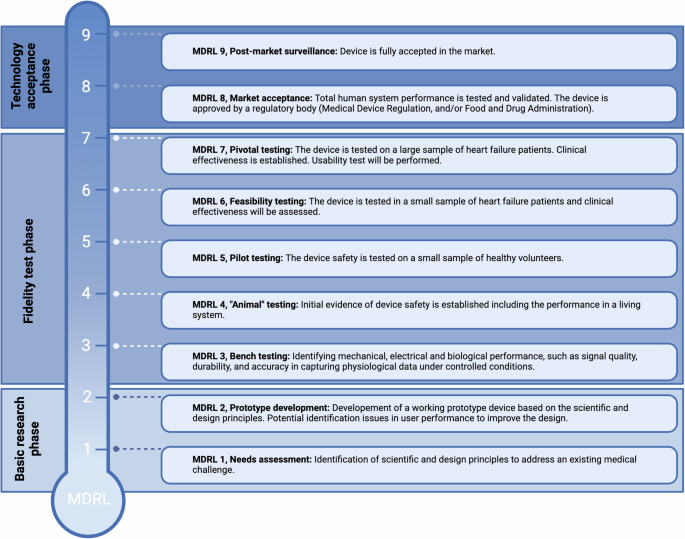
Wearable devices offer a personalized and empowering experience for patients, potentially becoming a vital component of modern heart failure management. Yet, the review underscores a significant barrier: the lack of rigorous evaluations.
In the ever-evolving landscape of finance, the integration of AI technology is revolutionizing how financial institutions operate, interact with customers, and make strategic decisions.
In Kenya, a financial revolution is quietly unfolding with the emergence of blockchain-based microcredit, promising to enhance financial inclusion by addressing accessibility and trust challenges inherent in traditional banking systems.
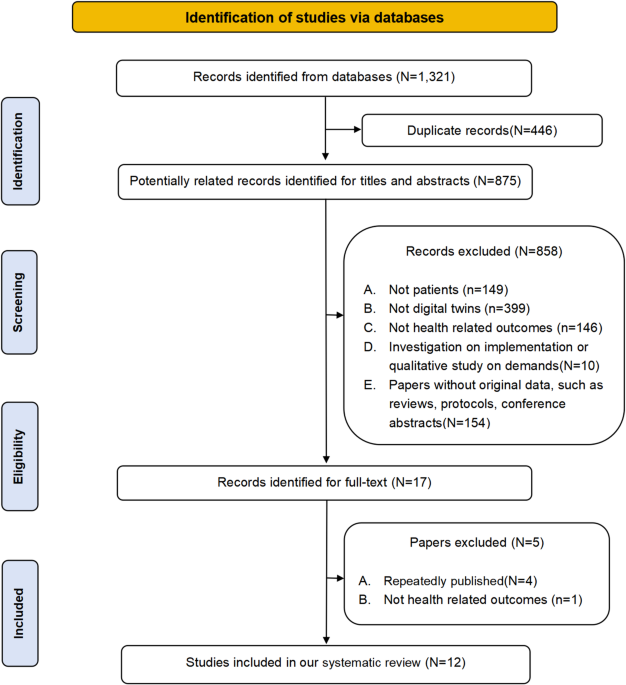
Digital twins are emerging as a pivotal technology in the realm of precision health, revolutionizing patient outcomes through personalized health management, precision therapies, and risk prediction.
The global 3D printing construction market is on the brink of a remarkable transformation. Currently valued at USD 0.34 billion in 2023, it is projected to surge to USD 910 million by 2024, and ultimately reach USD 2.3 billion by 2032.
As the world of healthcare continues to evolve, nurses are at the forefront, embracing telehealth technology to revolutionize patient care. With the increased demand on healthcare systems due to an aging population and ongoing nursing shortages, telehealth is becoming an indispensable tool for nurses, enhancing patient outcomes and expanding access to quality healthcare.