AI’s Pervasive Influence in Real Estate: A Transformative Shift
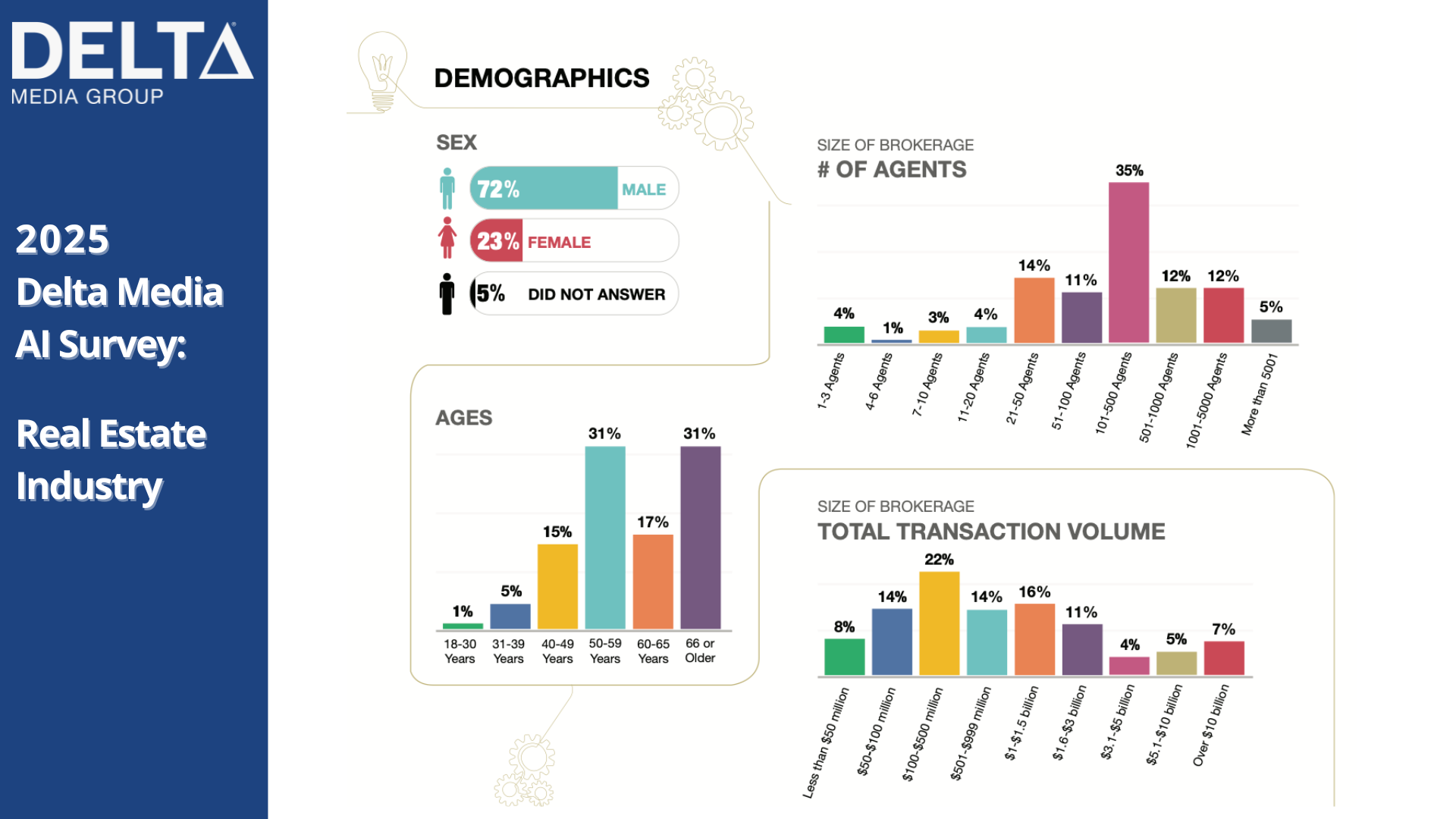
In a revealing report by RISMedia, the 2025 Real Estate Leadership AI Survey conducted by Delta Media Group highlights the sweeping integration of artificial intelligence within the real estate sector. The survey indicates that nearly 90% of brokerage leaders now report their agents’ active use of AI tools, illustrating a 7% increase from the previous year.
Michael Minard, CEO and owner of Delta Media Group, underscores the transformative nature of AI, stating, “AI is no longer a new shiny object; it’s fast become an irreplaceable tool for brokerages and agents alike.” This shift is evident as AI’s role expands beyond marketing and content creation to encompass customer support and administrative automation.
The survey, which gathered insights from over 100 residential brokerage leaders responsible for more than half of all US real estate transactions, reveals a remarkable change in AI adoption and perception. Leaders rated AI’s current significance at 5.9 out of 10, up from 5.0 in 2024, with future importance anticipated to rise to 7.2—a 22% increase.
Key Findings
Broader Demographic Adoption: Age-based disparities in AI usage have vanished, and gender gaps have narrowed, with both male and female leaders reporting high AI engagement.
Top AI Use Cases: While creating property descriptions remains the primary application, AI is increasingly used for digital marketing, client communications, data analysis, and administrative task automation.
Easing Risk Concerns: The percentage of leaders highly concerned about AI risks fell from 50.4% in 2024 to 42.2% in 2025.
Operational Shift: Brokerages are moving from marketing-focused AI applications to broader operational uses, reflecting a strategic shift toward holistic technology integration.
Medium to large brokerages, with their scale and resources, are leading AI adoption, while smaller brokerages face challenges that limit widespread implementation. As we look to the future, Delta anticipates 2025 as a pivotal year for AI in real estate, with expanded usage in automation and customer service poised to redefine operational efficiency.
For a comprehensive understanding, access the full report here.
More Articles
Getting licensed or staying ahead in your career can be a journey—but it doesn’t have to be overwhelming. Grab your favorite coffee or tea, take a moment to relax, and browse through our articles. Whether you’re just starting out or renewing your expertise, we’ve got tips, insights, and advice to keep you moving forward. Here’s to your success—one sip and one step at a time!
Tokenization has surged from crypto niche to global financial disruptor as institutions like Robinhood, BlackRock, and Coinbase race to digitize real-world assets. With pro‑crypto political momentum, shifting regulations, and private companies resisting newfound transparency, this emerging wave is transforming how investments are bought, sold, and accessed. For professionals in real estate, finance, lending, and insurance, this shift signals massive opportunity—and equally massive responsibility—as the next era of asset ownership takes shape.
Florida homeowners are finally getting relief as Citizens Property Insurance announces an average 8.7% statewide rate reduction for 2026, with South Florida seeing cuts as high as 14%. Driven by recent tort reforms and a stabilizing market, these decreases signal a major turnaround for an industry once on the brink of collapse — and a potential boost for real estate activity across the state.
After years of roller‑coaster chaos, the 2026 U.S. housing market is easing into something professionals haven’t seen in a long time: balance. Inventory growth has slowed to just 10% year over year—down sharply from 2025’s surge—signaling the end of the pandemic‑era scarcity and the rise of a market driven by real‑time demand and interest rates. With seasonal patterns returning, negotiations replacing bidding wars and rates drifting toward 6%, agents, lenders and investors are finally navigating conditions that look… normal.
More than half of Gen Z investors say they entered the stock market because of social media—not textbooks, not advisors. Viral creators, AI tools, and crypto trends are reshaping how young adults learn about money, invest early, and chase financial freedom. This Fortune‑featured shift highlights a generation determined to build wealth fast, trust digital voices over traditional institutions, and redefine financial education for the future.
After years of extremes, the U.S. housing market is shifting into a more balanced, predictable phase. Inventory growth has cooled from last year’s surge, seasonality is returning, and pricing is becoming increasingly rate‑sensitive. With mortgage rates hovering near 6% and policy changes reshaping investor participation, 2026 is emerging as a negotiation‑driven market where skilled agents, lenders, builders, and investors have a renewed advantage. This new landscape rewards strategy, education, and real‑time demand awareness—making it an ideal moment for professionals to refine their approach and capitalize on the market’s normalization.
A sudden policy shift at the start of 2026 is already pushing mortgage rates lower, dipping them under 6% for the first time in months. New projections suggest the government-sponsored enterprises’ $200 billion in mortgage‑backed securities purchases could accelerate rate declines throughout the year, boosting affordability, home sales, and overall market activity for buyers, sellers, and real estate professionals alike.