Americans Are Moving Differently — And It’s About to Reshape Commercial Real Estate

Downtown skyline

For generations, Americans packed up and moved in pursuit of economic opportunity. Today, that trend has shifted dramatically, according to a new migration report from United Van Lines. Instead of flocking to bustling urban centers, people are increasingly choosing smaller markets—places where homes cost less, commutes are shorter, and overall quality of life feels more manageable.

This emerging trend is creating a ripple effect that commercial real estate investors can’t afford to ignore. With states like Oregon, the Carolinas, and much of the South drawing in new residents, the markets investors once assumed would boom indefinitely are starting to evolve in surprising ways.

Source Spotlight: CNBC Property Play

This article is based on reporting from CNBC’s Property Play newsletter by Diana Olick. For deeper investor insights, subscribe directly through CNBC for weekly updates.

Why Americans Are Moving — And What Comes Next

United Van Lines’ annual study revealed a major shift: affordability and family proximity now rank higher than career opportunity for many movers. With six of the top ten inbound states located in the South or South Atlantic, the report paints a clear picture of a population seeking a slower and more grounded lifestyle.

Meanwhile, younger generations—including millennials and Gen Z—are finding refuge just outside major metros. New Jersey, for example, has become a go‑to for young professionals priced out of New York City. At the same time, retirees are steadily leaving the state, making it the top outbound location in the U.S.

According to Ryan Severino, chief economist at BGO, these shifting motivations have major implications for commercial real estate: “The need for more affordable housing, more modest office parks and more middle‑ to lower‑income retail spaces are better bets for investors.” Even industrial properties like self‑storage are quietly rising in demand as smaller, more affordable homes become the norm.

The Southern Surge — And Its Surprising Reversal

The pandemic years ignited a mass migration to the South. Investors piled in. Developers built aggressively. Rent growth forecasts soared.

But many of those expectations have cooled.

“They were expecting 6% to 8% rent growth for years,” said Manus Clancy of Lightbox. “Now rents are falling as new inventory comes online—2024 had the highest build volume in 50 years.” Some newcomers to Arizona, Nevada, and Florida have even begun moving out, leaving behind developers who overestimated long‑term demand.

As Severino notes, investors assumed these migration patterns would accelerate indefinitely. But with household formation slowing and population growth decelerating, the opposite appears to be true.

Investor Tip Box

Discount-focused retail, affordable multifamily housing, and well‑located industrial support spaces (like self‑storage) are emerging as the strongest long‑term plays.

What This Means for Today’s Real Estate Professionals

Commercial real estate is no longer riding the momentum of predictable population growth. Investors must be strategic, selective, and—more than ever—educated about emerging market patterns.

This is also where professional development becomes invaluable. Whether you’re entering the real estate field or expanding your investment credentials, understanding market migration and demographic shifts is essential. Cameron Academy continues to equip professionals across real estate, mortgage, insurance, and other licensed industries with up‑to‑date, market‑relevant knowledge so they can stay ahead of these changing trends.

Looking Ahead

The South isn’t slowing down entirely, but the days of assuming endless migration and easy rent spikes are over. As Americans’ priorities shift, the commercial properties that thrive will be those aligned with affordability, accessibility, and sustainable lifestyle choices.

For investors, developers, and real estate professionals, the message is clear: the next decade won’t reward broad assumptions—it will reward strategic precision.


More Articles

Getting licensed or staying ahead in your career can be a journey—but it doesn’t have to be overwhelming. Grab your favorite coffee or tea, take a moment to relax, and browse through our articles. Whether you’re just starting out or renewing your expertise, we’ve got tips, insights, and advice to keep you moving forward. Here’s to your success—one sip and one step at a time!

A New Blueprint for True Florida Affordability: Jayden D’Onofrio Pushes for Real Relief in 2026

Florida families are feeling the squeeze as everyday costs, insurance premiums, and homeownership barriers continue to climb. House District 102 candidate Jayden D’Onofrio is calling for a broader, more unified affordability strategy—one that tackles the state’s insurance crisis, supports first‑time homebuyers, and restores real competition in the market. His message centers on transparency, practical solutions, and keeping Florida livable for the professionals, workers, and families who power its economy.

Health Insurance Shake‑Up: America’s Coverage Markets Enter a New Era

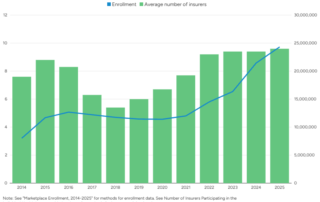
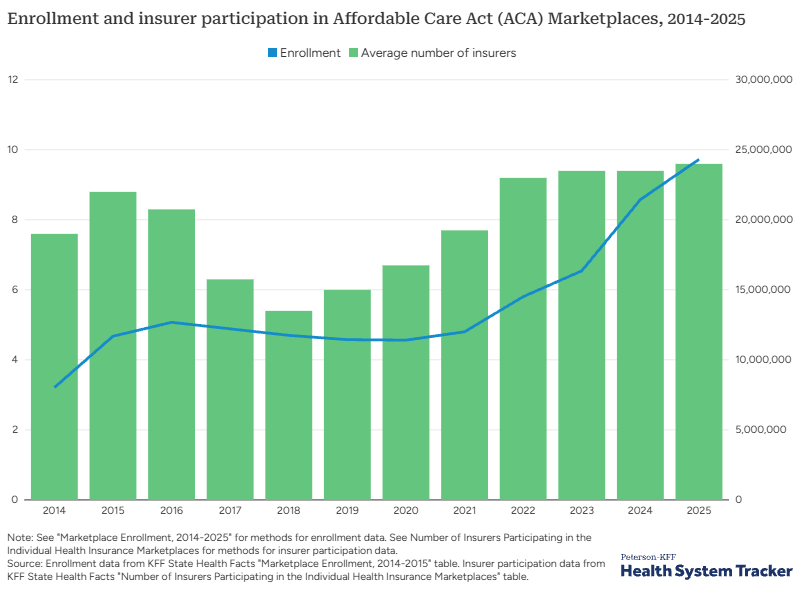
A decade of dramatic change is reshaping America’s health insurance markets. Employer group plans are becoming increasingly dominated by a few powerful insurers, while the ACA individual marketplace is experiencing record‑breaking competition and enrollment. Self‑funded plans are surging, small‑group premiums are driving employers to new coverage models, and major policy shifts in 2025 could redefine affordability for millions. This data‑driven Peterson‑KFF analysis breaks down the trends every insurance, finance, and business professional needs to understand as the industry enters a transformative new era.

Florida’s Next Mega‑Development: Winchester Ranch Set to Transform North Port

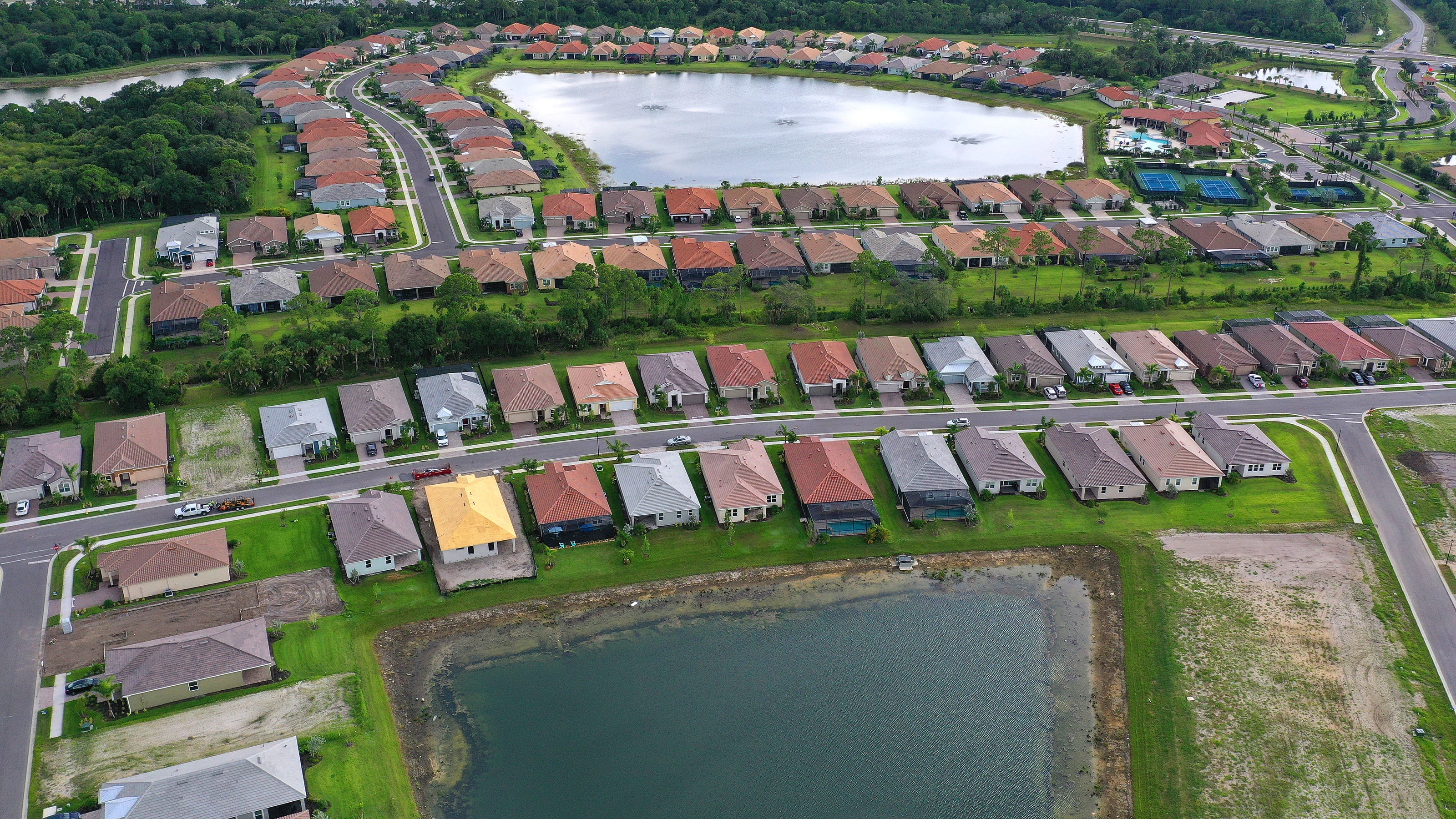
Sarasota County is inching closer to approving Winchester Ranch, a massive 8,999‑home community planned for more than 3,100 acres in North Port. With a 7‑1 vote from the Planning Commission and a final decision expected in early 2026, the project could become one of Southwest Florida’s largest developments in decades—bringing new housing, commercial space, and industry while raising fresh questions about growth, the environment, and the region’s rapidly evolving real estate market.

Lument Finance Trust Closes $664 Million CRE CLO, Signaling Strength in 2025 Markets

Lument Finance Trust has closed a major $663.8 million commercial real estate CLO, marking one of the standout CRE finance deals of 2025. The transaction, LMNT 2025-FL3, features a strong reinvestment period, non‑recourse and non‑mark‑to‑market financing, and a diversified pool of 32 loans tied to 49 properties nationwide. With J.P. Morgan leading the structuring and more than $585 million placed in investment‑grade securities, the deal highlights renewed stability in transitional CRE debt—making it a development real estate and finance professionals will want to watch closely.

Walmart Launches America’s Largest 3D‑Printed Commercial Building Initiative

Walmart has partnered with Alquist 3D to roll out the nation’s first large‑scale wave of 3D‑printed commercial buildings, signaling a major shift in how future retail and industrial spaces will be constructed. After completing an 8,000‑square‑foot 3D‑printed expansion in Tennessee—the largest of its kind—the company is moving forward with over a dozen new projects nationwide, accelerating a tech‑driven transformation in commercial real estate.

Citizens Insurance Proposes 2026 Rate Cuts, Signaling Relief for Florida’s Property Market

Citizens Property Insurance Corp. is recommending statewide rate reductions for 2026—the first proposed decrease in more than a decade. Most Citizens policyholders could see an average 11.5% drop, reflecting recent insurance‑market reforms that have stabilized Florida’s turbulent property sector. With hundreds of thousands of policies moving back to private insurers and state‑backed Citizens shrinking to record‑low enrollment, real estate and insurance professionals should prepare for how lower premiums may influence affordability, buyer confidence, and market activity heading into 2026.