Americans Are Moving Differently — And It’s About to Reshape Commercial Real Estate
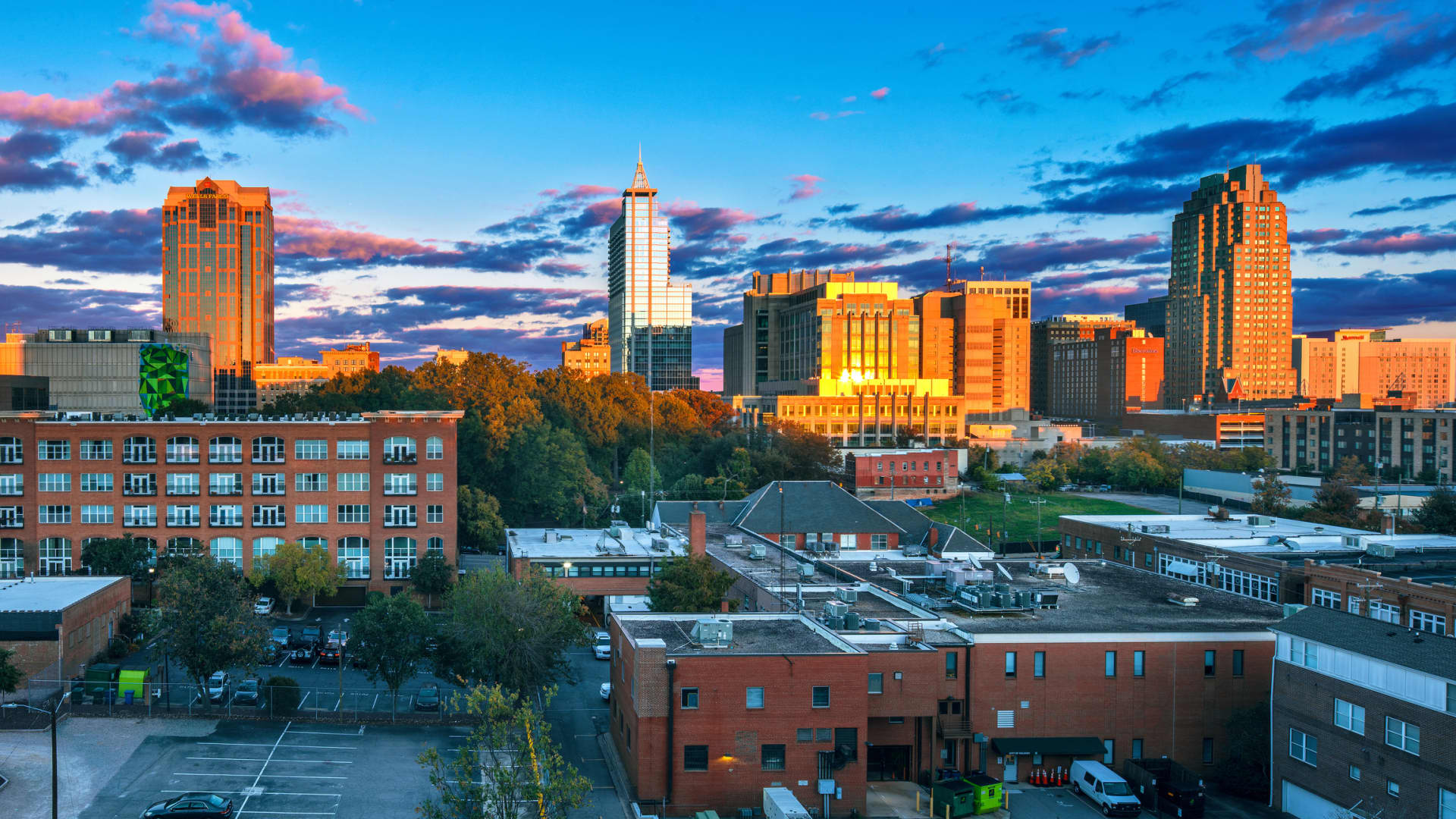
Downtown skyline

For generations, Americans packed up and moved in pursuit of economic opportunity. Today, that trend has shifted dramatically, according to a new migration report from United Van Lines. Instead of flocking to bustling urban centers, people are increasingly choosing smaller markets—places where homes cost less, commutes are shorter, and overall quality of life feels more manageable.

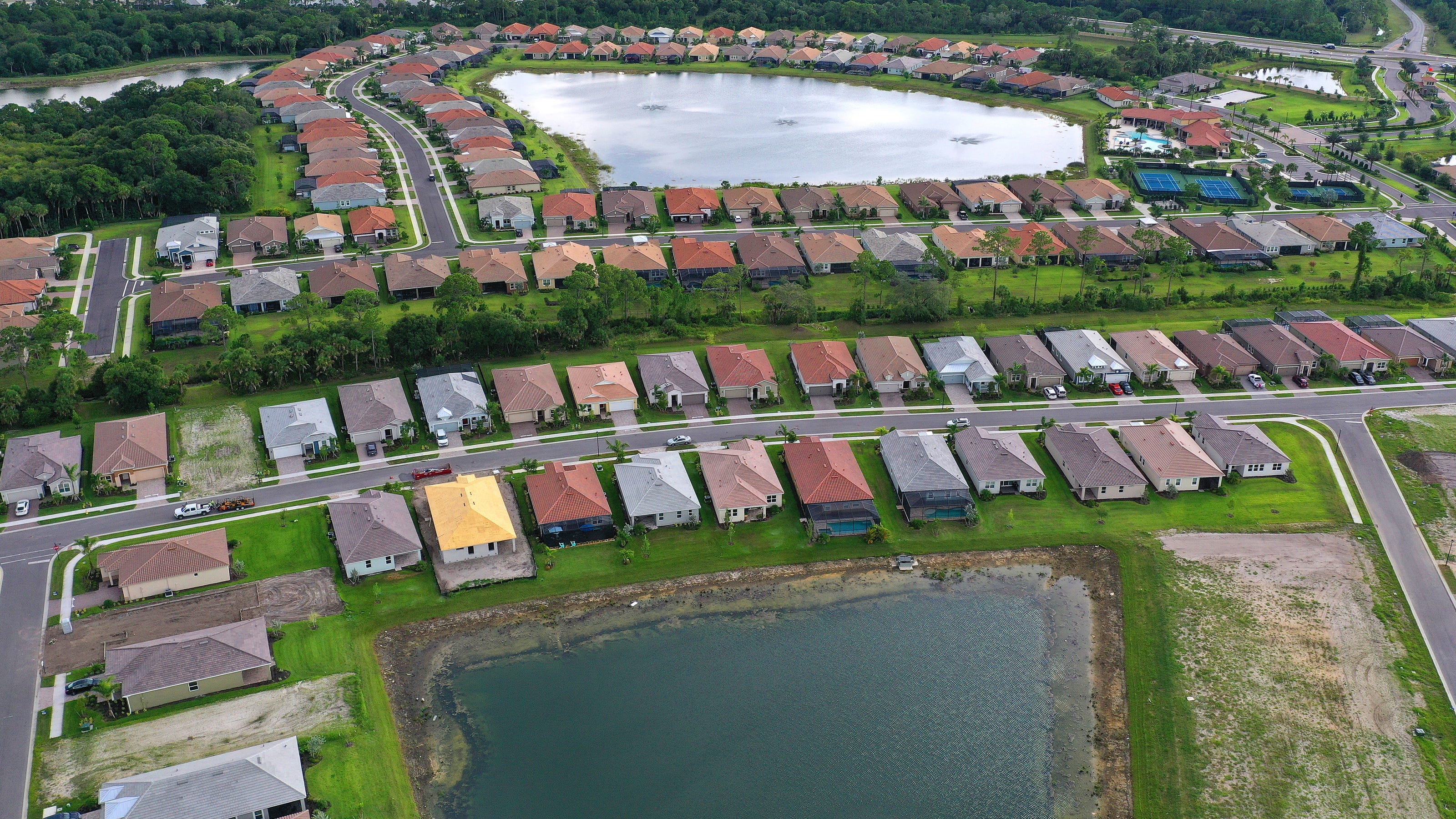
This emerging trend is creating a ripple effect that commercial real estate investors can’t afford to ignore. With states like Oregon, the Carolinas, and much of the South drawing in new residents, the markets investors once assumed would boom indefinitely are starting to evolve in surprising ways.

Source Spotlight: CNBC Property Play

This article is based on reporting from CNBC’s Property Play newsletter by Diana Olick. For deeper investor insights, subscribe directly through CNBC for weekly updates.

Why Americans Are Moving — And What Comes Next

United Van Lines’ annual study revealed a major shift: affordability and family proximity now rank higher than career opportunity for many movers. With six of the top ten inbound states located in the South or South Atlantic, the report paints a clear picture of a population seeking a slower and more grounded lifestyle.

Meanwhile, younger generations—including millennials and Gen Z—are finding refuge just outside major metros. New Jersey, for example, has become a go‑to for young professionals priced out of New York City. At the same time, retirees are steadily leaving the state, making it the top outbound location in the U.S.

According to Ryan Severino, chief economist at BGO, these shifting motivations have major implications for commercial real estate: “The need for more affordable housing, more modest office parks and more middle‑ to lower‑income retail spaces are better bets for investors.” Even industrial properties like self‑storage are quietly rising in demand as smaller, more affordable homes become the norm.

The Southern Surge — And Its Surprising Reversal

The pandemic years ignited a mass migration to the South. Investors piled in. Developers built aggressively. Rent growth forecasts soared.

But many of those expectations have cooled.

“They were expecting 6% to 8% rent growth for years,” said Manus Clancy of Lightbox. “Now rents are falling as new inventory comes online—2024 had the highest build volume in 50 years.” Some newcomers to Arizona, Nevada, and Florida have even begun moving out, leaving behind developers who overestimated long‑term demand.

As Severino notes, investors assumed these migration patterns would accelerate indefinitely. But with household formation slowing and population growth decelerating, the opposite appears to be true.

Investor Tip Box

Discount-focused retail, affordable multifamily housing, and well‑located industrial support spaces (like self‑storage) are emerging as the strongest long‑term plays.

What This Means for Today’s Real Estate Professionals

Commercial real estate is no longer riding the momentum of predictable population growth. Investors must be strategic, selective, and—more than ever—educated about emerging market patterns.

This is also where professional development becomes invaluable. Whether you’re entering the real estate field or expanding your investment credentials, understanding market migration and demographic shifts is essential. Cameron Academy continues to equip professionals across real estate, mortgage, insurance, and other licensed industries with up‑to‑date, market‑relevant knowledge so they can stay ahead of these changing trends.

Looking Ahead

The South isn’t slowing down entirely, but the days of assuming endless migration and easy rent spikes are over. As Americans’ priorities shift, the commercial properties that thrive will be those aligned with affordability, accessibility, and sustainable lifestyle choices.

For investors, developers, and real estate professionals, the message is clear: the next decade won’t reward broad assumptions—it will reward strategic precision.


More Articles

Getting licensed or staying ahead in your career can be a journey—but it doesn’t have to be overwhelming. Grab your favorite coffee or tea, take a moment to relax, and browse through our articles. Whether you’re just starting out or renewing your expertise, we’ve got tips, insights, and advice to keep you moving forward. Here’s to your success—one sip and one step at a time!

The Rise of Fintech: How Technology Is Reshaping Money and Modern Careers

Fintech has evolved from simple digital banking tools into a global force transforming how we pay, borrow, invest, and manage financial data. With AI, blockchain, and open banking leading the way, fintech is opening new opportunities for consumers, businesses, and professionals across real estate, mortgage, insurance, and finance.

Large CRE Deals Surge in Q3 2025 as Market Confidence Returns

After months of hesitation, the commercial real estate market showed a major resurgence in Q3 2025. Large single‑asset transactions over $10 million jumped to $76 billion — the strongest level since 2022 — signaling renewed liquidity and growing confidence among institutional buyers. While overall volumes remain below peak highs, rising deal counts, stabilizing prices, and increased activity across industrial, multifamily, office, and retail sectors point toward a market steadily moving back toward normalization.

California’s Insurance Crisis: Politics, Wildfires, and a System on the Brink

California’s property insurance market didn’t collapse overnight—it unraveled over years of political delays, soaring wildfire losses, and mounting pressure on insurers and reinsurers. As major carriers pulled out and rate approvals stalled, millions of homeowners were left scrambling for coverage under an overwhelmed FAIR Plan. At the center of the controversy stands Insurance Commissioner Ricardo Lara, whose decisions, industry ties, and behind‑the‑scenes negotiations have drawn sharp criticism. The result is a destabilized market affecting homeowners, real estate professionals, lenders, and entire communities—and the question of whether current reforms can truly fix what’s broken.

Large U.S. CRE Deals Roar Back in Q3 2025, Signaling Investor Confidence

After a slow start to the year, commercial real estate showed a major resurgence in Q3 2025 as large single‑asset deals over $10 million surged past $76 billion in volume. With 1,826 major trades and the strongest growth rate in more than a decade, investor confidence appears to be returning across U.S. markets. While overall volumes still trail the record highs of 2021–2022, the renewed momentum in big‑ticket transactions points to improving liquidity, clearer pricing, and a potentially pivotal turning point for brokers, investors, and industry professionals.

California’s Insurance Meltdown: The Crisis Reshaping Real Estate, Finance, and Insurance Nationwide

California’s property insurance market has unraveled into one of the most expensive and consequential crises in U.S. history. Major carriers pulled back, wildfire risks soared, regulators stalled, and the state’s FAIR Plan exploded in size — leaving hundreds of thousands of homeowners without affordable coverage. Now, with victims underinsured, premiums surging, and a billion‑dollar bailout looming, the fallout is spilling beyond California. For real estate, mortgage, finance, and insurance professionals across the country, this is a warning of what happens when rising climate risks collide with outdated regulatory systems.

Florida’s Next Mega-Development: Winchester Ranch Set to Add Nearly 9,000 Homes in Sarasota County

Sarasota County is on the brink of one of its largest modern expansions as the Winchester Ranch project moves closer to approval. Spanning more than 3,100 acres near North Port, the planned mega-development could bring up to 8,999 homes plus major commercial and industrial space. With construction projected to begin in 2027–2028, the community has sparked both excitement over new housing opportunities and concerns about environmental impact, placing it at the center of Florida’s ongoing growth debate.