Americans Are Moving Differently — And It’s Reshaping Commercial Real Estate
Across the United States, Americans are rethinking where they want to live — and these evolving migration patterns are now reshaping the commercial real estate landscape in powerful ways. What was once a westward sprint for opportunity has softened into a more intentional shift driven by affordability, family ties, and lifestyle balance.
A new report from United Van Lines reveals a striking change: instead of chasing expensive, high-growth metros, households are gravitating toward smaller markets where costs are lower, pace is calmer, and space feels abundant. The consequences could be profound for investors, developers, and the professionals guiding both.
Source Spotlight: Inspired by in-depth reporting from Diana Olick’s Property Play newsletter at CNBC. Explore the full story at CNBC.com for extended analysis.
Where Americans Are Headed Now
Oregon claimed the top inbound migration spot in 2025 for the first time ever. Meanwhile, Florida and Texas — once pandemic migration magnets — are leveling out as inflow and outflow finally balance.
Six of the top 10 inbound states sit within the South and South Atlantic regions. West Virginia, South Carolina, North Carolina, Arkansas, Alabama, and Delaware have become standout destinations for those craving affordability without sacrificing lifestyle.
Younger buyers, particularly millennials and Gen Z, are now eyeing New Jersey as a strategic alternative to New York City’s soaring costs. Retirees, however, continue exiting the state, making it the top outbound destination.
What This Means for Commercial Real Estate
Ryan Severino, chief economist at BGO, notes that these patterns present both fresh opportunities and new challenges. As budgets stretch thinner and personal preferences shift, commercial real estate must evolve alongside them.
Affordable housing, modest office parks, and mid- to lower-income retail centers are emerging as the strongest long-term plays. Even industrial needs are being redefined: smaller living spaces mean rising demand for self-storage, and new regional hubs need warehouses scaled for smaller but fast-growing markets.
The overarching theme is caution. Migration, household formation, and population growth are all slowing — suggesting future returns won’t mirror the explosive momentum of the 2010s and early 2020s.
Southern Markets: The Rise and Rebalancing
The South absorbed one of the most aggressive influxes of new residents during the pandemic era. Multifamily developers raced to build, anticipating unstoppable demand. But a historic oversupply in 2024 — the largest in five decades — cooled rents and even spurred reverse migration from some who felt the promise exceeded the reality.
States like Arizona, Nevada, and Florida illustrate this dynamic clearly. Development soared, but many newcomers have since moved on. For investors, this is a reminder: strategy must be rooted in realism, not momentum.
Retail trends echo this shift. Luxury giants like Simon Property Group are tightening focus, while discount grocers and value-driven retailers capture expanding market share.
What This Means for Real Estate Professionals
As migration continues evolving, real estate professionals must stay adaptable, data-driven, and prepared. Smaller markets are stepping into the spotlight, and understanding why people move is becoming just as essential as knowing where they’re going.
For newcomers entering the field — and seasoned pros expanding their skill sets — this level of insight is invaluable. Institutions like Cameron Academy empower agents, brokers, mortgage experts, and other professionals with the knowledge needed to thrive in markets shaped by shifting demographics and economic realignment.
Learn More: For deeper dives into investor behavior and commercial trends, explore Diana Olick’s excellent Property Play newsletter at CNBC.
Americans will always pursue opportunity and lifestyle — but the definition of both is changing fast. For investors and real estate professionals alike, understanding modern migration isn’t optional. It’s the foundation of future success.
More Articles
Getting licensed or staying ahead in your career can be a journey—but it doesn’t have to be overwhelming. Grab your favorite coffee or tea, take a moment to relax, and browse through our articles. Whether you’re just starting out or renewing your expertise, we’ve got tips, insights, and advice to keep you moving forward. Here’s to your success—one sip and one step at a time!
Just 48 hours after NAR unveiled major revisions to its MLS policies, plaintiffs in the Michigan-based Hardy lawsuit moved to use those changes as evidence, arguing they prove NAR’s prior rules were anticompetitive. NAR denies any wrongdoing, but the case is quickly becoming a key test for whether MLS access should require Realtor membership — a question now echoing across multiple states and potentially reshaping how real estate professionals nationwide access the industry’s most essential tool.
Florida homeowners are now paying some of the highest insurance premiums in the country, with average costs topping $5,800 per year—nearly double the national average. Residents report skyrocketing rates, denied claims, and tough choices between costly coverage and financial risk. As frustration grows, lawmakers and consumer advocates are pushing new reforms aimed at increasing transparency, capping rate hikes, and protecting policyholders in one of the nation’s most volatile insurance markets.
Economic uncertainty, rapid AI adoption, tighter capital flows, and rising portfolio risk are reshaping the 2026 commercial real estate landscape. From shifting workforce patterns to a national housing attainability crisis, the industry is entering a data‑driven, fundamentals‑focused era—making adaptability, education, and tech literacy essential for real estate professionals.
Mortgage rates have climbed to 6.23 percent as investors grow doubtful that the Federal Reserve will deliver a rate cut in December. A soft but unclear jobs report and persistent inflation have pushed borrowing costs higher, reversing October’s brief relief in the housing market. Real estate and mortgage professionals should prepare clients for continued volatility as the Fed’s December meeting approaches.
After years of tight inventory, high mortgage rates, and sluggish sales, economists say 2026 is shaping up to be the turnaround real estate professionals have been waiting for. NAR projects a 14 percent jump in home sales, mortgage rates easing toward 6 percent, and buyer demand finally gaining momentum. While higher‑end homes are moving quickly, first‑time buyers continue to face affordability challenges, and price reductions are reappearing as sellers adjust to shifting conditions. For Florida agents, brokers, and newcomers, the stage is being set for a busy and opportunity‑rich year.
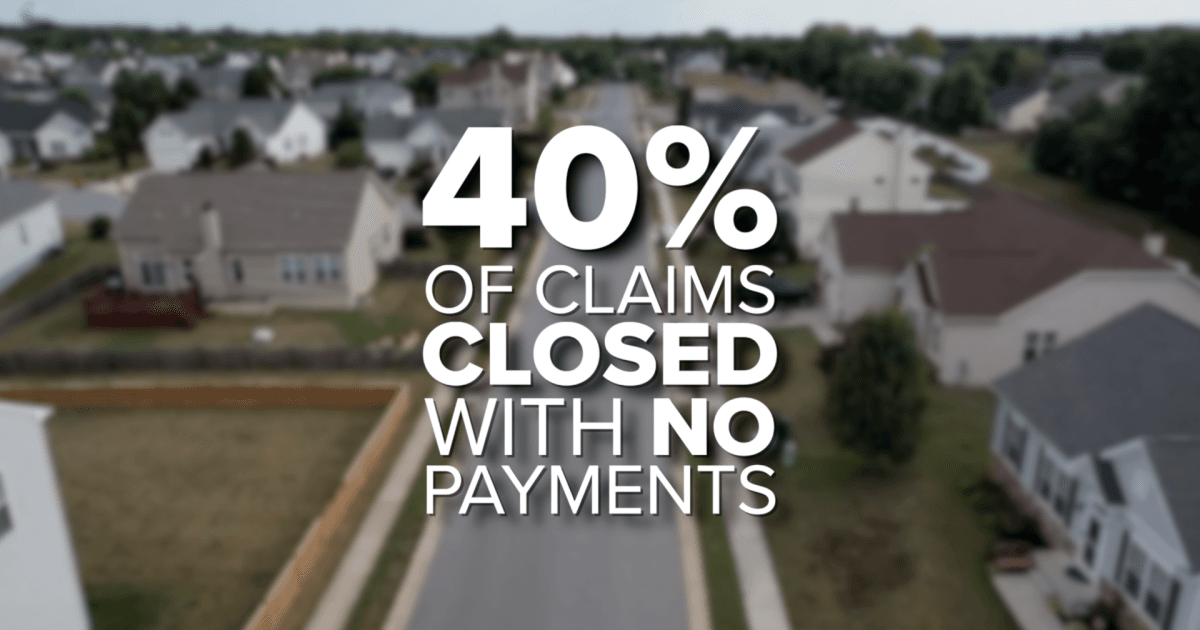
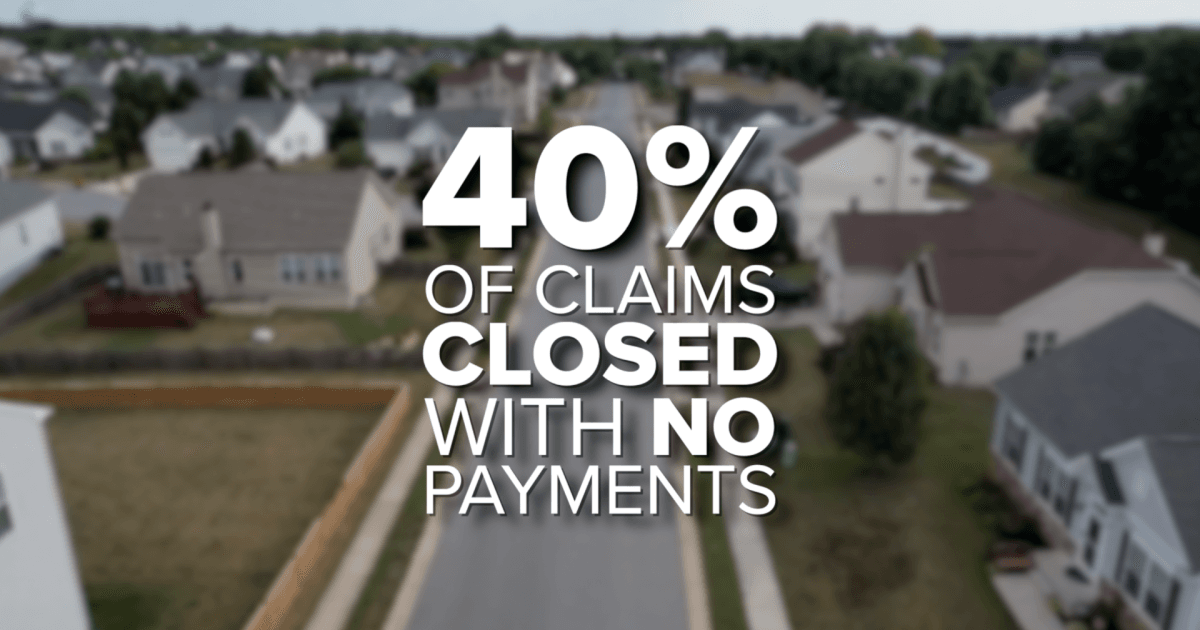
Florida’s average homeowner insurance premium has soared to $5,838 a year—almost $3,000 above the national average—pushing many residents to the financial brink. From tripled premiums to lowball claim payouts, homeowners are speaking out as frustration mounts. Some are even dropping coverage entirely. With more than 40% of claims closed without payment and policy cancellations at record levels, lawmakers are pushing for reforms, but political hurdles remain. The outcome could reshape Florida real estate, insurance, and mortgage markets for years to come.