Americans Are Moving Differently — And It’s Reshaping Commercial Real Estate
Across the United States, Americans are rethinking where they want to live — and these evolving migration patterns are now reshaping the commercial real estate landscape in powerful ways. What was once a westward sprint for opportunity has softened into a more intentional shift driven by affordability, family ties, and lifestyle balance.
A new report from United Van Lines reveals a striking change: instead of chasing expensive, high-growth metros, households are gravitating toward smaller markets where costs are lower, pace is calmer, and space feels abundant. The consequences could be profound for investors, developers, and the professionals guiding both.
Source Spotlight: Inspired by in-depth reporting from Diana Olick’s Property Play newsletter at CNBC. Explore the full story at CNBC.com for extended analysis.
Where Americans Are Headed Now
Oregon claimed the top inbound migration spot in 2025 for the first time ever. Meanwhile, Florida and Texas — once pandemic migration magnets — are leveling out as inflow and outflow finally balance.
Six of the top 10 inbound states sit within the South and South Atlantic regions. West Virginia, South Carolina, North Carolina, Arkansas, Alabama, and Delaware have become standout destinations for those craving affordability without sacrificing lifestyle.
Younger buyers, particularly millennials and Gen Z, are now eyeing New Jersey as a strategic alternative to New York City’s soaring costs. Retirees, however, continue exiting the state, making it the top outbound destination.
What This Means for Commercial Real Estate
Ryan Severino, chief economist at BGO, notes that these patterns present both fresh opportunities and new challenges. As budgets stretch thinner and personal preferences shift, commercial real estate must evolve alongside them.
Affordable housing, modest office parks, and mid- to lower-income retail centers are emerging as the strongest long-term plays. Even industrial needs are being redefined: smaller living spaces mean rising demand for self-storage, and new regional hubs need warehouses scaled for smaller but fast-growing markets.
The overarching theme is caution. Migration, household formation, and population growth are all slowing — suggesting future returns won’t mirror the explosive momentum of the 2010s and early 2020s.
Southern Markets: The Rise and Rebalancing
The South absorbed one of the most aggressive influxes of new residents during the pandemic era. Multifamily developers raced to build, anticipating unstoppable demand. But a historic oversupply in 2024 — the largest in five decades — cooled rents and even spurred reverse migration from some who felt the promise exceeded the reality.
States like Arizona, Nevada, and Florida illustrate this dynamic clearly. Development soared, but many newcomers have since moved on. For investors, this is a reminder: strategy must be rooted in realism, not momentum.
Retail trends echo this shift. Luxury giants like Simon Property Group are tightening focus, while discount grocers and value-driven retailers capture expanding market share.
What This Means for Real Estate Professionals
As migration continues evolving, real estate professionals must stay adaptable, data-driven, and prepared. Smaller markets are stepping into the spotlight, and understanding why people move is becoming just as essential as knowing where they’re going.
For newcomers entering the field — and seasoned pros expanding their skill sets — this level of insight is invaluable. Institutions like Cameron Academy empower agents, brokers, mortgage experts, and other professionals with the knowledge needed to thrive in markets shaped by shifting demographics and economic realignment.
Learn More: For deeper dives into investor behavior and commercial trends, explore Diana Olick’s excellent Property Play newsletter at CNBC.
Americans will always pursue opportunity and lifestyle — but the definition of both is changing fast. For investors and real estate professionals alike, understanding modern migration isn’t optional. It’s the foundation of future success.
More Articles
Getting licensed or staying ahead in your career can be a journey—but it doesn’t have to be overwhelming. Grab your favorite coffee or tea, take a moment to relax, and browse through our articles. Whether you’re just starting out or renewing your expertise, we’ve got tips, insights, and advice to keep you moving forward. Here’s to your success—one sip and one step at a time!
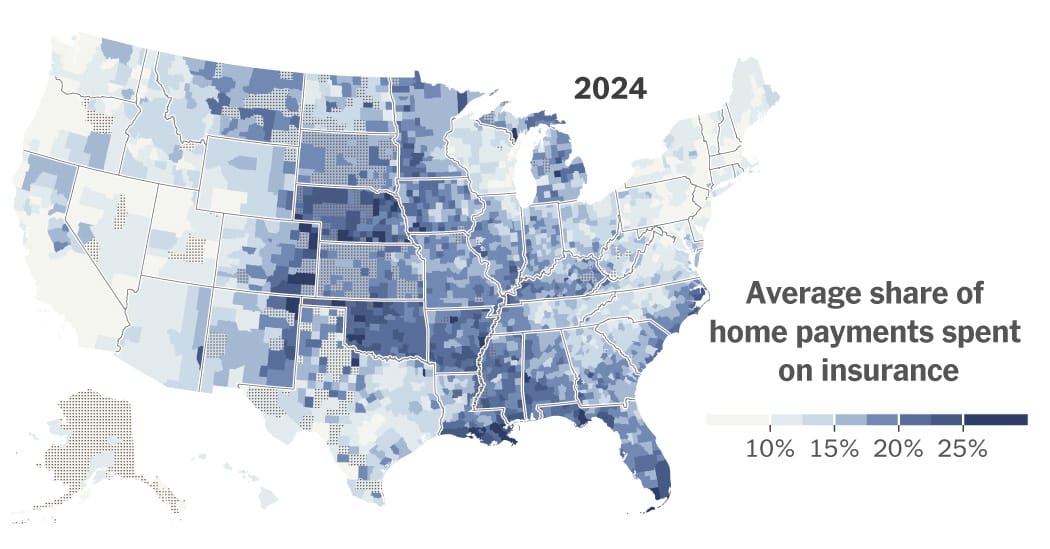
A surge in home insurance premiums is reshaping housing markets across the country, hitting disaster‑prone regions the hardest. From Louisiana to Colorado and California, deals are collapsing, buyers are backing out, and home values are dropping as insurance becomes a central affordability hurdle. New data shows climate‑driven risk repricing and soaring reinsurance costs are stripping tens of thousands of dollars from property values, forcing some homeowners to sell at a loss—or go uninsured altogether.
After years of sluggish activity, the National Association of REALTORS predicts 2026 could mark the long‑awaited rebound for the housing market. With a projected 14% jump in home sales, steadier rates near 6%, and rising buyer activity, NAR economists say momentum is already building. Early signs—like a 31% surge in mortgage applications, continued job growth, and stabilizing prices—suggest a stronger, more confident market ahead, creating fresh opportunities for both seasoned professionals and aspiring agents preparing to enter the field.
A surge of global capital is reshaping real estate heading into 2026, with investors shifting toward hands‑on strategies, cross‑border diversification, and high‑growth asset classes like data centers. Colliers’ 2026 Global Investor Outlook highlights rising confidence, improving liquidity, and a major pivot toward direct investing and value‑add opportunities. From office market rebounds to Asia Pacific’s rapid fundraising growth, the report outlines trends every real estate professional should understand as the industry enters a more dynamic, opportunity‑rich cycle.
Culver City just became the first place in California to legalize six‑story apartment buildings with only one staircase — a simple change that could reshape mid‑rise housing statewide. By freeing up as much as 7% more usable floor space, architects say single‑stair designs allow bigger units, more windows, and the kind of elegant layouts common in New York and Europe. If the city’s six‑year experiment succeeds, it may spark a broader rethinking of U.S. building codes and open the door to more flexible, affordable multifamily development across California.
Stratford homeowners are receiving their 2025 Notices of Assessment Change, marking the town’s first property revaluation since 2019. Officials emphasize that rising assessments do not equal higher tax bills, as a new mill rate won’t be set until spring 2026. Residents can challenge or review their updated valuations through informal hearings hosted by Vision Government Solutions, with appointments available for one week after receiving a notice.
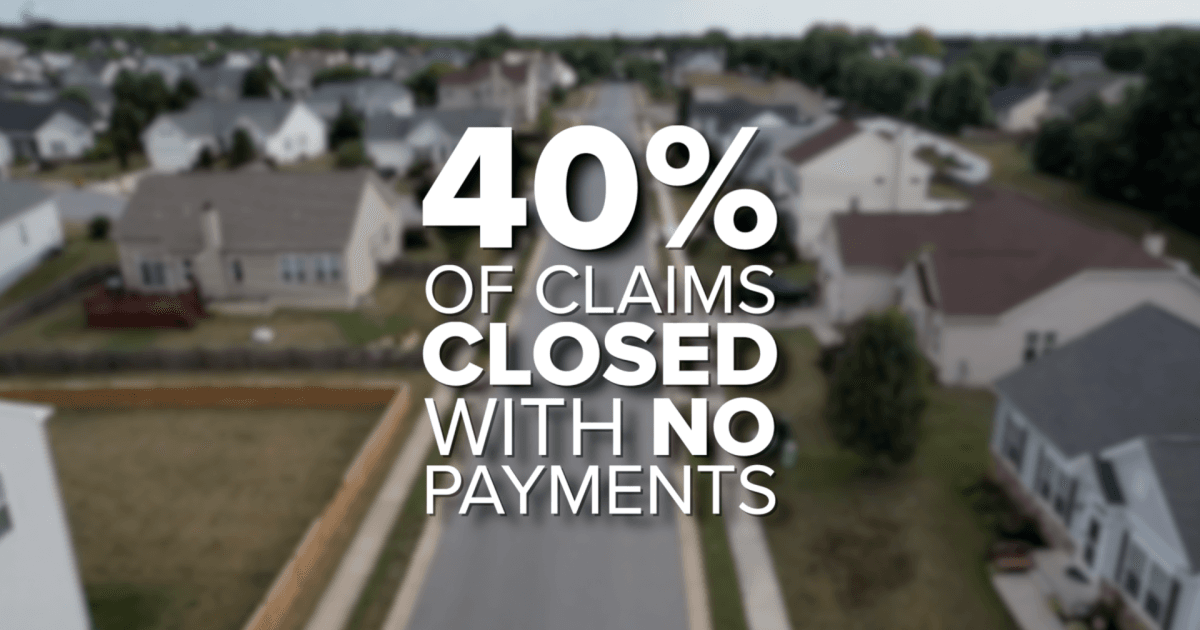
New reporting reveals Florida homeowners now face an average insurance premium of $5,838 per year — nearly triple the national average. With skyrocketing rates, denied claims, and mounting non-renewals, residents are being pushed to tough financial decisions while lawmakers scramble to implement reforms. From retirees skipping coverage to families battling insurers for fair payouts, Florida’s insurance crisis is reshaping both the housing market and the daily lives of homeowners statewide.