America’s Housing Affordability Crisis: A Deep Dive into 2024


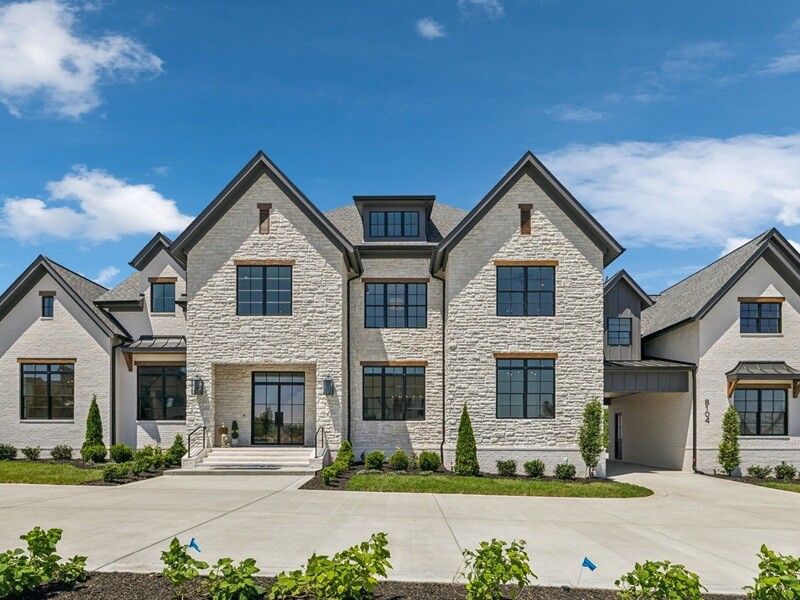
The American dream of homeownership is slipping further out of reach for many as the nation grapples with a severe housing affordability crisis. According to a recent report from USA Today, over three-quarters of American households are unable to afford a median-priced home, now valued at $495,750 in 2024. This alarming statistic highlights the widening gap between income and housing costs, a trend exacerbated by rising mortgage rates and a national shortage of affordable homes.

David m. Dworkin

Regional Disparities in Housing Affordability


The National Association of Realtors’ Housing Affordability Index reveals a stark contrast between regions. The Midwest stands out as the most affordable area, with an index of 143.9, while the West lags behind at 75.5. In California, particularly in Los Angeles-Long Beach-Glendale, less than 3% of homes are affordable for families earning a median income of $98,200, underscoring the state’s affordability crisis.

Impact on Vulnerable Demographics


The crisis disproportionately affects low-income families, seniors, and veterans. A staggering 7.3 million deficit in rental housing units leaves many low-income families struggling to find affordable housing. Seniors, especially those on fixed incomes, face increasing financial burdens as housing costs rise. According to the Joint Center for Housing Studies of Harvard University, more than 5.6 million seniors are severely cost-burdened, spending over half of their income on housing.

Veterans, too, are not spared. The 2023 Annual Homelessness Assessment Report notes a 7.4% increase in veteran homelessness, highlighting the urgent need for targeted interventions.

Expert Insights and Solutions


Experts emphasize the need for comprehensive policy reforms and increased funding to address the housing crisis. David M. Dworkin of the National Housing Conference points to a lack of supply as a key driver of the crisis, urging for more public sector resources to expand housing opportunities.

For those seeking affordable housing, exploring government assistance programs and utilizing resources like HUD’s housing counseling agencies can be beneficial. David Long, president of the Texas State Affordable Housing Corporation, advises prospective renters to consider older properties, often referred to as ‘naturally occurring affordable housing,’ which tend to be more budget-friendly than new developments.

The Road Ahead


The future of housing affordability remains uncertain as economic conditions continue to tighten. With mortgage rates on the rise and home prices showing no signs of abating, many Americans, particularly younger generations, may find homeownership increasingly elusive. As noted by experts from National Low Income Housing Coalition, advocacy and engagement with policymakers at all levels are crucial to driving change and ensuring that affordable housing becomes a reality for all.


More Articles

Getting licensed or staying ahead in your career can be a journey—but it doesn’t have to be overwhelming. Grab your favorite coffee or tea, take a moment to relax, and browse through our articles. Whether you’re just starting out or renewing your expertise, we’ve got tips, insights, and advice to keep you moving forward. Here’s to your success—one sip and one step at a time!

2026 Western U.S. Commercial Real Estate Forecast: Key Market Shifts Professionals Need to Know

The Western U.S. commercial real estate sector is gearing up for a pivotal year in 2026, with new forecasts from Kidder Mathews showing steady economic growth, moderating inflation, and improving fundamentals across office, industrial, retail, and multifamily markets. From slow but stabilizing office recovery to strong retail performance and tightening industrial demand, the region is entering a period of rebalancing that presents fresh opportunities for real estate and related professionals.

January’s Weak Job Growth Signals a Cooling Economy — And New Pressure on the Fed

A delayed federal jobs report has pushed ADP’s data into the spotlight, revealing that private employers added just 22,000 jobs in January — far below expectations. Revised December numbers and ongoing declines in key sectors like professional services and manufacturing point to a cooling labor market heading into 2025. While wage growth remains steady, uneven job creation across regions and industries is raising new questions about future interest‑rate cuts and what this shifting economy means for professionals in fields like real estate, mortgage, insurance, and finance.

Smart and Sustainable Homes Redefine Luxury Living in Nashville’s 2026 Market

Nashville’s booming tech-driven population is transforming luxury real estate, making smart technology and eco‑friendly design the new standard. From AI‑powered adaptive living and advanced security systems to high‑efficiency construction and green incentives, the city’s top communities—Brentwood, Franklin, and Nolensville—are leading a movement toward intelligent, energy‑saving homes that offer long‑term value and modern comfort.

Florida Homeowners Face Another Year Without Insurance Relief as Lawmakers Pause Reform Efforts

Florida legislators have confirmed that no new insurance relief is coming in 2026, leaving homeowners to grapple with rising premiums and shrinking options. While Republican leaders argue that past reforms simply need more time to stabilize the market, Democrats are pushing for immediate action as families across the state feel the financial strain. With insurance changes off the table, lawmakers are shifting their focus to property tax relief—creating important ripple effects for real estate, mortgage, and insurance professionals watching the market closely.

The 2026 Investor Hotspots: Dallas Dominates, but the Southeast Surges Ahead

A new CBRE survey reveals that 2026 is shaping up to be a bullish year for commercial real estate, with most investors planning to expand their portfolios. Dallas secures the top spot for the fifth year in a row, but Southeast metros like Atlanta, Miami, Tampa, and Charlotte are rapidly gaining ground thanks to population growth, strong job creation, and resilient demand in sectors like tech, logistics, and healthcare.

WSU Launches Carson Pro, Expanding the Future of Lifelong Professional Learning

Washington State University’s Carson College of Business has introduced Carson Pro, a flexible online platform offering non‑credit certificates in finance, management, marketing, accounting, and specialty fields like the business of aging and wine business management. Designed for working professionals seeking practical, career-ready skills or a complete career reset, the program reflects a nationwide shift toward continuous learning as industries—from real estate to finance—evolve at a rapid pace.