Are Gen Z Really Giving Up on Homeownership? A New Look at the Data
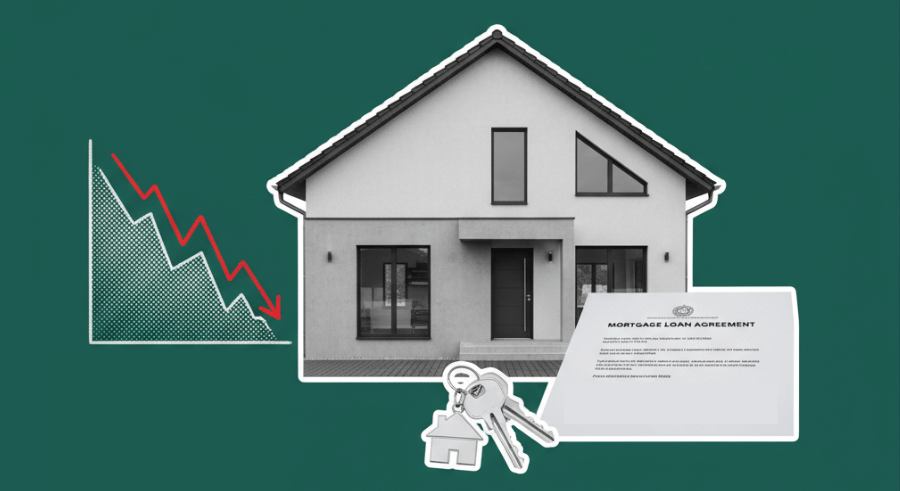
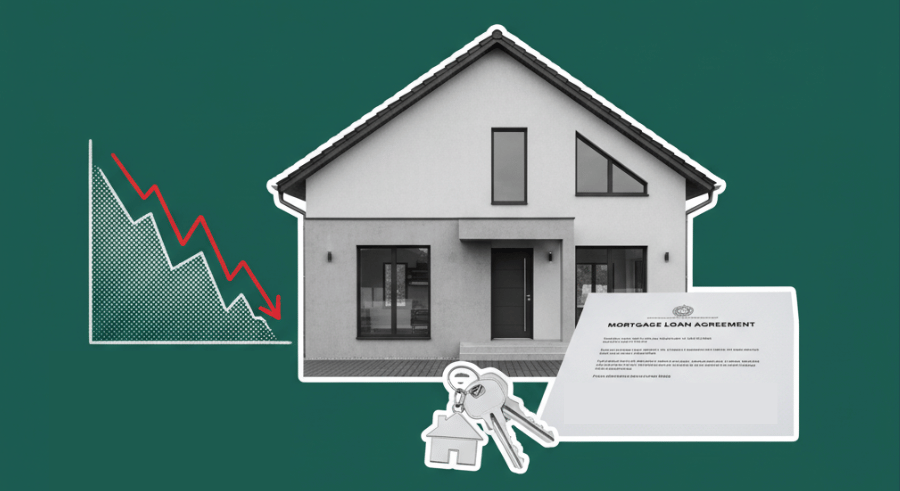
According to new research highlighted by Fortune, many younger Americans are reaching a breaking point. With housing affordability sinking and the average first-time buyer age hitting 40, a significant portion of Gen Z is beginning to believe they may never own a home at all.
In studies published by researchers from Northwestern University and the University of Chicago, young adults are showing three major behavioral shifts: they’re saving less, working less, and taking on riskier investments—largely because the path to homeownership feels increasingly unattainable.
“No matter how hard I work, I will never be able to afford a home I really love.” — 46% of Gen Z respondents, Harris Poll
1. Spending More Than They Save
Research indicates that when rising home prices push ownership out of reach, many young renters stop saving for a house altogether. Instead, they redirect savings toward lifestyle spending—what some call “doomspending.” Nearly half of Gen Z doesn’t have an emergency fund, and 27% hold more debt than savings.
Some expect to inherit wealth from the massive $124 trillion transfer occurring over the coming decades, though surveys show most won’t receive nearly as much as they anticipate.
2. Rethinking Work Itself
The study also found a measurable drop in work effort among Gen Z renters. When the reward (buying a home someday) feels impossible, motivation declines. Renters were nearly twice as likely as homeowners to report reduced effort at work.
However, economist and creator Kyla Scanlon offers a different interpretation: it’s not that Gen Z doesn’t want to work—it’s that they no longer believe in doing things “the way they’ve always been done.”
3. Turning to Risky Investments
With traditional wealth-building paths like homeownership feeling blocked, many young adults are turning toward higher-risk assets. Cryptocurrencies, speculative investments, and alternative financial trends are more common among Gen Z than retirement accounts.
Researchers explain that when homeownership becomes unrealistic, young people perceive they have “less to lose,” which makes riskier behavior feel more acceptable. Financial experts caution that taking interest in personal finance is good—so long as risk and reward are understood.
What This Means for the Future of Real Estate
For Florida’s real estate industry—and licensing fields across the nation—these trends are reshaping the future of buyers, renters, and professionals alike. As affordability challenges persist, more Gen Z professionals may enter real estate careers to better understand the market and secure financial stability.
At Cameron Academy, we’ve seen a rising number of young professionals pursuing real estate licenses, mortgage certifications, and finance education to gain control over their financial futures. Whether affordability improves or not, knowledge remains one of the few assets no market can devalue.
Explore real estate pathways, licensing education, and career-boosting courses at Cameron Academy—designed for the professionals shaping tomorrow’s market.
Getting licensed or staying ahead in your career can be a journey—but it doesn’t have to be overwhelming. Grab your favorite coffee or tea, take a moment to relax, and browse through our articles. Whether you’re just starting out or renewing your expertise, we’ve got tips, insights, and advice to keep you moving forward. Here’s to your success—one sip and one step at a time!
Tokenization has surged from crypto niche to global financial disruptor as institutions like Robinhood, BlackRock, and Coinbase race to digitize real-world assets. With pro‑crypto political momentum, shifting regulations, and private companies resisting newfound transparency, this emerging wave is transforming how investments are bought, sold, and accessed. For professionals in real estate, finance, lending, and insurance, this shift signals massive opportunity—and equally massive responsibility—as the next era of asset ownership takes shape.
Florida homeowners are finally getting relief as Citizens Property Insurance announces an average 8.7% statewide rate reduction for 2026, with South Florida seeing cuts as high as 14%. Driven by recent tort reforms and a stabilizing market, these decreases signal a major turnaround for an industry once on the brink of collapse — and a potential boost for real estate activity across the state.
After years of roller‑coaster chaos, the 2026 U.S. housing market is easing into something professionals haven’t seen in a long time: balance. Inventory growth has slowed to just 10% year over year—down sharply from 2025’s surge—signaling the end of the pandemic‑era scarcity and the rise of a market driven by real‑time demand and interest rates. With seasonal patterns returning, negotiations replacing bidding wars and rates drifting toward 6%, agents, lenders and investors are finally navigating conditions that look… normal.
More than half of Gen Z investors say they entered the stock market because of social media—not textbooks, not advisors. Viral creators, AI tools, and crypto trends are reshaping how young adults learn about money, invest early, and chase financial freedom. This Fortune‑featured shift highlights a generation determined to build wealth fast, trust digital voices over traditional institutions, and redefine financial education for the future.
After years of extremes, the U.S. housing market is shifting into a more balanced, predictable phase. Inventory growth has cooled from last year’s surge, seasonality is returning, and pricing is becoming increasingly rate‑sensitive. With mortgage rates hovering near 6% and policy changes reshaping investor participation, 2026 is emerging as a negotiation‑driven market where skilled agents, lenders, builders, and investors have a renewed advantage. This new landscape rewards strategy, education, and real‑time demand awareness—making it an ideal moment for professionals to refine their approach and capitalize on the market’s normalization.
A sudden policy shift at the start of 2026 is already pushing mortgage rates lower, dipping them under 6% for the first time in months. New projections suggest the government-sponsored enterprises’ $200 billion in mortgage‑backed securities purchases could accelerate rate declines throughout the year, boosting affordability, home sales, and overall market activity for buyers, sellers, and real estate professionals alike.