Are the Massive Realtor Settlements Truly Fair? Federal Judges Take a Closer Look
The real estate world is still buzzing after a panel of Eighth Circuit judges spent hours dissecting whether the National Association of Realtors’ historic antitrust settlements—and the related deals made by major brokerages—are truly fair to the millions of homebuyers and sellers they affect. This landmark moment is shaping what could become one of the most influential periods of structural change in modern real estate practice.
A Judicial Deep Dive Into Industry‑Shaking Settlements
At the center of the discussion were pleas from plaintiffs who believe the multimillion‑dollar settlements are not just unfair, but also improperly dismissive of homebuyers’ rights. Judge Lavenski R. Smith led the questioning, pressing attorneys to explain whether the settlements represent a true compromise or simply let powerful industry players walk away with minimal consequences.
“That’s what class action settlements typically involve,” Smith said, emphasizing that large settlements are designed to avoid “economic destruction” for defendants while still providing compensation.
The court reviewed challenges to agreements resolving claims that the NAR and major real estate brokers artificially inflated commissions nationwide—an issue that has been under intense scrutiny since a Missouri jury issued a staggering $1.8 billion verdict against NAR in 2023.
The Billion‑Dollar Background
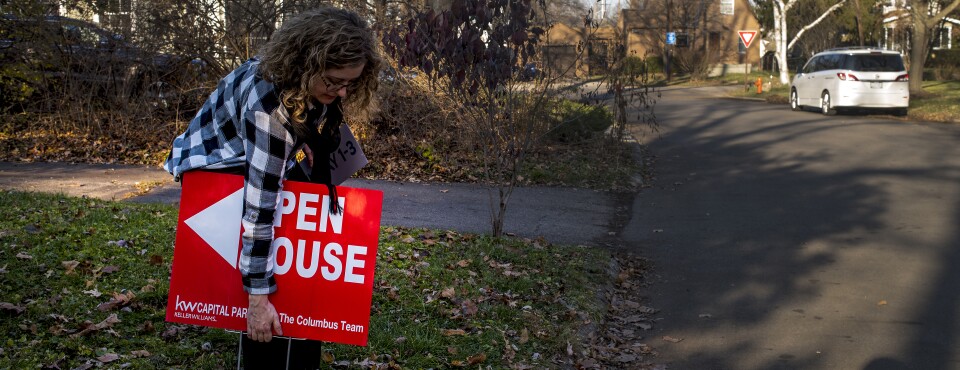
After the 2023 verdict, NAR agreed to pay $418 million and revise several longstanding rules that shaped how commissions operate across the country. Major brokerages followed suit—Keller Williams settled for $70 million, while HomeServices of America, owned by Warren Buffett’s Berkshire Hathaway, contributed another $250 million.
These settlements were touted as historic, but many plaintiffs argue that sellers are receiving only “pennies on the dollar,” and that the deals ultimately fail to compensate millions of class members fairly.
Homebuyers Push Back
Perhaps the most heated debate came from homebuyers represented by James Mullis, who argued that inflated commissions directly impact them because they contribute to higher home prices. Mullis’ camp insists that their claims were unfairly dismissed and improperly released as part of the settlement.
“It completely writes off the value of the claims that we want to litigate,” attorney James R. Layton argued.
The judges pressed all sides for clarity, signaling that the final ruling could reshape expectations around fairness, compensation, and due process in large‑scale class actions involving real estate markets.
Whether you’re a seasoned agent, a new licensee, or someone preparing to enter the field, these legal shifts have real implications. A transformed commission landscape could rewrite scripts for buyer representation, listing strategies, pricing psychology, and brokerage operations nationwide—including right here in Florida.
Cameron Academy continues to follow these developments closely, ensuring our students and alumni receive the most relevant, up‑to‑date guidance for navigating an evolving industry. If you’re pursuing a real estate license or expanding your professional credentials, staying informed on changes like these is essential to staying competitive.
Tap to Explore More Real Estate Industry Updates
More Articles
Getting licensed or staying ahead in your career can be a journey—but it doesn’t have to be overwhelming. Grab your favorite coffee or tea, take a moment to relax, and browse through our articles. Whether you’re just starting out or renewing your expertise, we’ve got tips, insights, and advice to keep you moving forward. Here’s to your success—one sip and one step at a time!
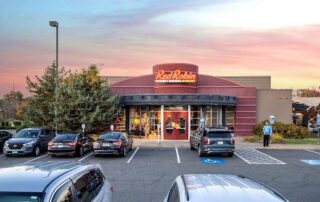
Newman Properties, a Massachusetts-based investment firm, has expanded its footprint into Connecticut with the $3.65 million acquisition of a 6,350‑square‑foot retail building in Enfield. Anchored by national restaurant chain Red Robin, the property offers the type of stable tenancy investors seek when entering new markets. The deal underscores growing confidence in anchored retail assets and provides a valuable real-world example for real estate professionals studying market analysis, investment strategy, and portfolio expansion.
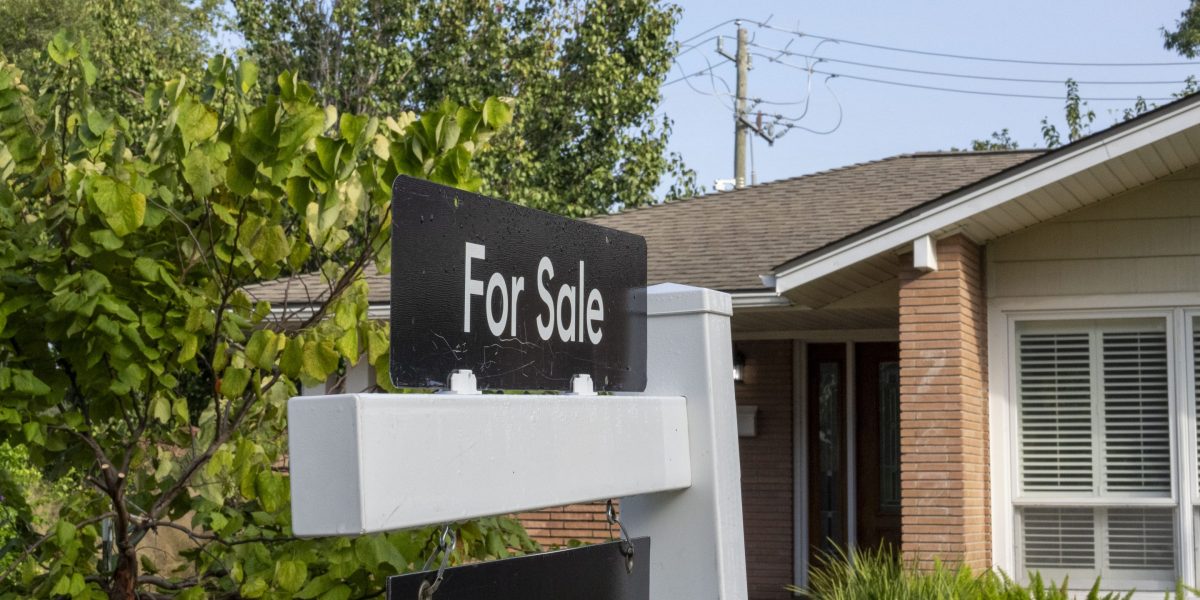
JPMorgan now expects national home prices to flatten in 2026, but the Sunbelt is telling a very different story. Florida home values are down 5.1%, Texas is down 2.4%, and analysts warn that years of rapid building are finally catching up to the region. As demand stabilizes and inventory swells, real estate professionals — especially in Florida — face a market full of challenges, opportunities, and critical timing decisions.
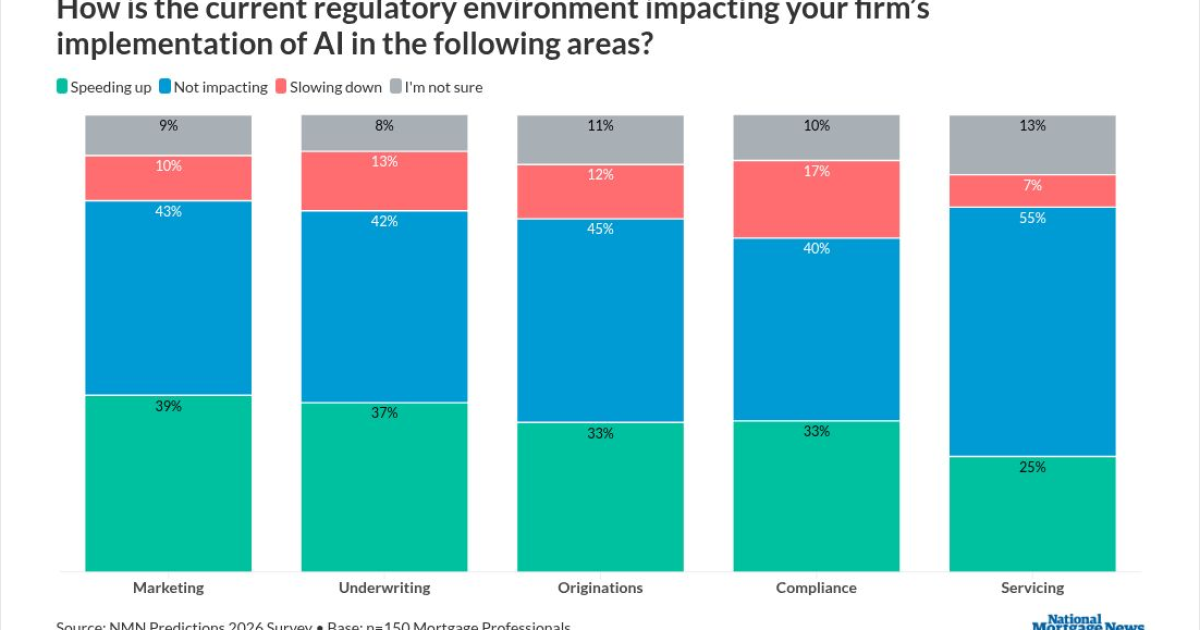
Artificial intelligence is finally stepping into the mortgage underwriting spotlight, with 57% of mortgage professionals predicting it will drive the most transformative industry shift in 2026. Thanks to major advancements in language models and workflow automation, AI is now capable of navigating the messy, document-heavy realities that have long slowed underwriting. From faster preapprovals to improved credit analysis and real‑time income verification, AI is streamlining processes while allowing underwriters to focus on true risk management. As regulatory winds shift and grassroots pressure builds within lending teams, the industry is entering a pivotal era where AI‑powered underwriting becomes not just an advantage — but an expectation.
Portland’s top 20 office towers have lost an unprecedented 70% of their value since 2019—plunging from $3 billion to under $1 billion—triggering tax revenue shortfalls, budget crises, and a surge in appeals as the city grapples with its biggest commercial real estate reset in modern history.
South Florida’s luxury real estate market just raised the bar again — this time with a $1 million virtual reality system that lets buyers walk through Dolce & Gabbana’s upcoming Miami tower long before construction wraps. Real estate master’s students were given an immersive look inside the project, discovering how VR is transforming high‑end development, influencing buyer psychology, and shaping the future skills today’s professionals need.
Long Island’s commercial real estate scene is kicking off 2026 with a surge of activity—industrial leases in Medford, neighborhood retail trades in Bohemia, Pizza Hut’s new DELCO expansion in Centereach, mixed‑use acquisitions in Melville, and major investor interest in bank‑leased and franchise-backed properties. From warehouses to restaurant rebrands, these deals highlight a region evolving fast and offering fresh opportunities for agents, investors, and professionals looking to stay ahead in the market.