Are the Massive Realtor Settlements Truly Fair? Federal Judges Take a Closer Look
The real estate world is still buzzing after a panel of Eighth Circuit judges spent hours dissecting whether the National Association of Realtors’ historic antitrust settlements—and the related deals made by major brokerages—are truly fair to the millions of homebuyers and sellers they affect. This landmark moment is shaping what could become one of the most influential periods of structural change in modern real estate practice.
A Judicial Deep Dive Into Industry‑Shaking Settlements
At the center of the discussion were pleas from plaintiffs who believe the multimillion‑dollar settlements are not just unfair, but also improperly dismissive of homebuyers’ rights. Judge Lavenski R. Smith led the questioning, pressing attorneys to explain whether the settlements represent a true compromise or simply let powerful industry players walk away with minimal consequences.
“That’s what class action settlements typically involve,” Smith said, emphasizing that large settlements are designed to avoid “economic destruction” for defendants while still providing compensation.
The court reviewed challenges to agreements resolving claims that the NAR and major real estate brokers artificially inflated commissions nationwide—an issue that has been under intense scrutiny since a Missouri jury issued a staggering $1.8 billion verdict against NAR in 2023.
The Billion‑Dollar Background
After the 2023 verdict, NAR agreed to pay $418 million and revise several longstanding rules that shaped how commissions operate across the country. Major brokerages followed suit—Keller Williams settled for $70 million, while HomeServices of America, owned by Warren Buffett’s Berkshire Hathaway, contributed another $250 million.
These settlements were touted as historic, but many plaintiffs argue that sellers are receiving only “pennies on the dollar,” and that the deals ultimately fail to compensate millions of class members fairly.
Homebuyers Push Back
Perhaps the most heated debate came from homebuyers represented by James Mullis, who argued that inflated commissions directly impact them because they contribute to higher home prices. Mullis’ camp insists that their claims were unfairly dismissed and improperly released as part of the settlement.
“It completely writes off the value of the claims that we want to litigate,” attorney James R. Layton argued.
The judges pressed all sides for clarity, signaling that the final ruling could reshape expectations around fairness, compensation, and due process in large‑scale class actions involving real estate markets.
Whether you’re a seasoned agent, a new licensee, or someone preparing to enter the field, these legal shifts have real implications. A transformed commission landscape could rewrite scripts for buyer representation, listing strategies, pricing psychology, and brokerage operations nationwide—including right here in Florida.
Cameron Academy continues to follow these developments closely, ensuring our students and alumni receive the most relevant, up‑to‑date guidance for navigating an evolving industry. If you’re pursuing a real estate license or expanding your professional credentials, staying informed on changes like these is essential to staying competitive.
Tap to Explore More Real Estate Industry Updates
More Articles
Getting licensed or staying ahead in your career can be a journey—but it doesn’t have to be overwhelming. Grab your favorite coffee or tea, take a moment to relax, and browse through our articles. Whether you’re just starting out or renewing your expertise, we’ve got tips, insights, and advice to keep you moving forward. Here’s to your success—one sip and one step at a time!
A growing share of American homeowners now carry mortgage rates above 5%—a dramatic shift that’s reshaping refinancing, inventory, and buyer behavior nationwide. With more than 30% of borrowers locked into rates over 5% and 20% above 6%, the market is split between owners holding on to low pandemic‑era loans and new buyers taking on higher‑rate mortgages. Federal efforts to push rates down could unlock millions of refinancing opportunities, while buyers see only modest monthly savings. For real estate professionals, understanding these rate dynamics is crucial as they increasingly drive inventory levels, affordability, and market activity.
New Moody’s data shows commercial real estate deal volume slipped 20% in December, marking a second monthly decline. Yet the full year tells a different story: 2025 ended with a 17% gain, signaling a quiet but resilient recovery. The biggest surprise came from the office sector, which posted a 21% jump in activity as return‑to‑office trends and AI‑driven job growth boosted demand. Multifamily, retail, and alternative assets like data centers also saw strong momentum, giving real estate professionals a market full of fresh opportunities heading into 2026.
Florida drivers and industry professionals are heading into 2026 with good news: auto insurance rates are dropping across the state as the market shows strong signs of stabilization. USAA leads the latest wave with a 7% average rate decrease expected in May 2026, saving members more than $125 million annually. They join several major insurers — including State Farm, Progressive, AAA, Allstate, and Florida Farm Bureau — all approving significant reductions. Officials credit recent legislative reforms, especially tort reform, for the improved loss ratios and renewed insurer confidence. With both auto and home insurance markets strengthening, Florida’s real estate, mortgage, and insurance professionals can expect more consumer confidence, smoother transactions, and expanding career opportunities.
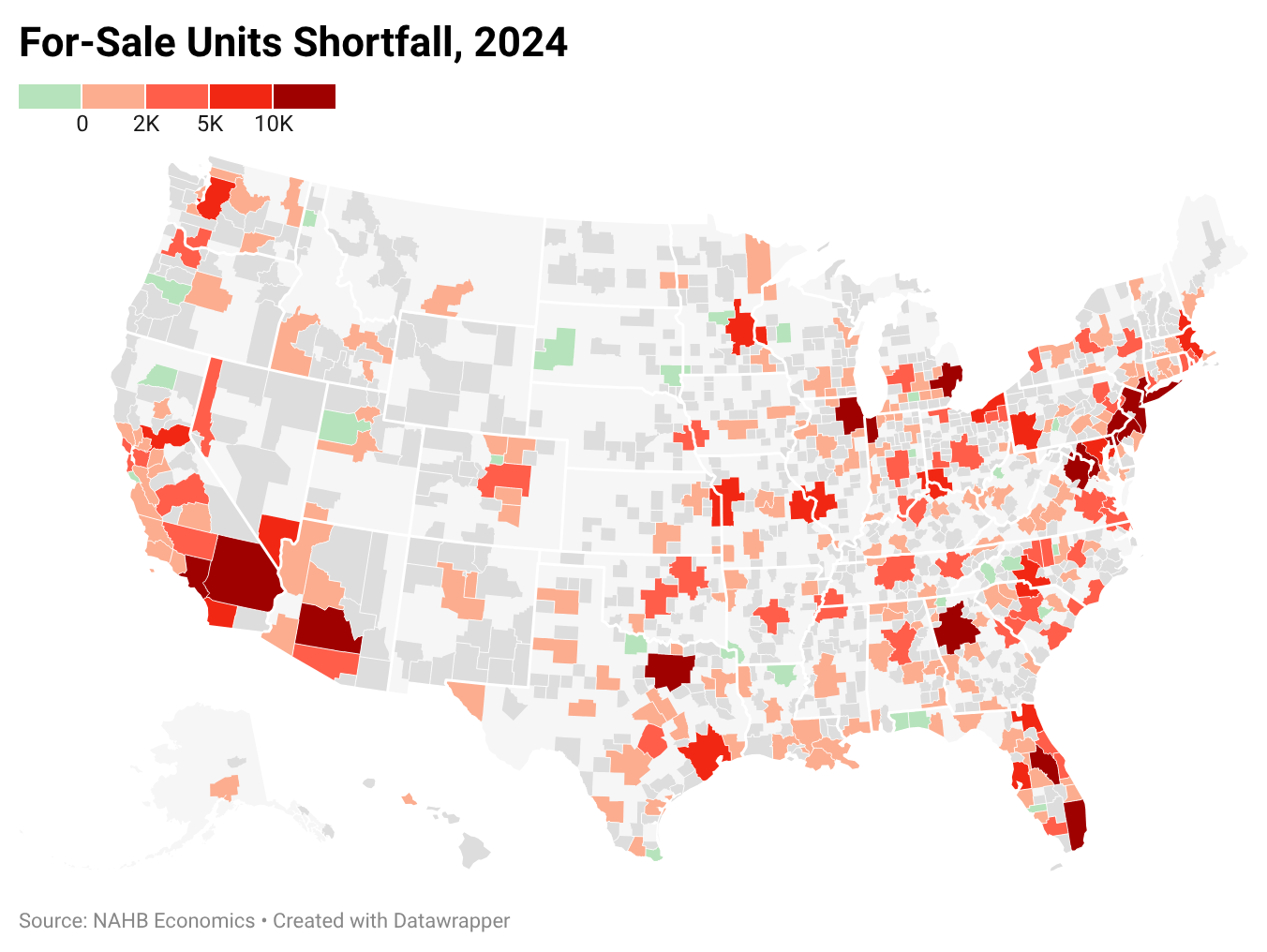
New data from Eye On Housing and the NAHB shows the U.S. remains short more than 1.2 million housing units, keeping pressure on both rents and home prices. Record‑low vacancy rates, slow single‑family construction, and restrictive zoning continue to fuel intense competition in 2024. Major metros like Chicago, New York, and Atlanta face some of the deepest deficits, and the true nationwide shortfall may be even higher when accounting for overcrowding and aging homes. For real estate professionals, the ongoing shortage means sustained demand, tighter inventory, and major opportunities for those who understand the evolving market.
Top real estate coach Jason Pantana says the divide between agents today isn’t about who has “tried” AI — it’s about who is immersed in it. In a new HousingWire interview, he explains why AI isn’t a gimmick but a full business system that amplifies output, improves authenticity, and reshapes how clients search for agents. From prompt mastery to AI‑driven visibility on Google, Pantana reveals how agents who commit even 15 minutes a day to learning AI are already outperforming those who hesitate.
Dallas–Fort Worth’s commercial real estate market closed 2025 with a split personality. Industrial dominated with massive new deliveries and soaring leasing demand, retail held steady with some of the market’s strongest fundamentals in years, and office continued to falter under remote‑work pressures. High vacancies, weak absorption, and rising demand for top‑tier space show the sector’s ongoing reset. Meanwhile, industrial and retail strength position the Metroplex for another powerhouse year heading into 2026.