Ares Commercial Real Estate Insider Shake‑Up: What Professionals Should Know This Week
If your morning coffee pairs well with a dash of market intrigue, today’s spotlight lands squarely on
Ares Commercial Real Estate Corporation (NYSE:ACRE). The company’s CEO & Director,
Bryan Donohoe, recently sold US$107k worth of shares at an average price of
US$4.93—a move that trimmed his personal stake by roughly 13%.
Insider activity doesn’t always spell trouble, but it always sparks questions. And in today’s evolving market landscape,
Florida real estate agents, mortgage professionals, and investment‑minded specialists nationwide should keep an eye on moves like these.
Understanding market behavior is part of staying competitive—something we take seriously at Cameron Academy as we help professionals stay informed, licensed, and ahead of industry shifts.
A Bigger Pattern? Understanding ACRE Insider Behavior
This isn’t Donohoe’s first sale of the year. Earlier, he sold approximately US$133k worth of shares
at US$5.68 per share—meaning his earlier sale happened at a stronger price point. While insider selling
is common, repeated sales without any insider buying can raise eyebrows among seasoned investors.
According to the data, insiders at Ares Commercial Real Estate made no purchases in the past 12 months.
That doesn’t automatically signal danger, but it does create a tone of caution from within the leadership ranks.
See the Full Insider Activity Chart
Want to explore every insider transaction from the past year?
View the interactive chart here
and dig into dates, prices, and individual trades.
How Much Skin Do Insiders Have in the Game?
Insider ownership sits at about 1.6%—worth roughly US$4.6 million. While not insignificant,
it isn’t especially high either. Lower insider ownership often correlates with lower long-term alignment, though it doesn’t always indicate poor performance.
As the Simply Wall St analysis suggests, many companies show stronger internal confidence through larger insider holdings.
ACRE’s numbers are conservative but not alarming.
What Should Professionals Take Away?
Insiders sold stock recently, and none showed buying activity. Combined with modest insider ownership, the indicators suggest
a measured caution. Still, insider selling by itself is not a forecast of decline—it’s simply one piece of a much larger
market puzzle.
For professionals navigating real estate, finance, and investment spaces, this serves as a reminder of the importance of
market literacy. Whether you’re evaluating REITs, shaping a portfolio, or watching economic signals, staying informed is essential.
If you’re growing your career or expanding your license portfolio,
Cameron Academy provides the educational backbone to help keep you competitive and current.
More From the Source
Explore the full analysis, discover small-cap stocks insiders are buying, or try their free portfolio tools:
And as always: this information isn’t financial advice—but it does help you stay sharp, curious,
and one step ahead as you navigate the day’s headlines.
More Articles
Getting licensed or staying ahead in your career can be a journey—but it doesn’t have to be overwhelming. Grab your favorite coffee or tea, take a moment to relax, and browse through our articles. Whether you’re just starting out or renewing your expertise, we’ve got tips, insights, and advice to keep you moving forward. Here’s to your success—one sip and one step at a time!
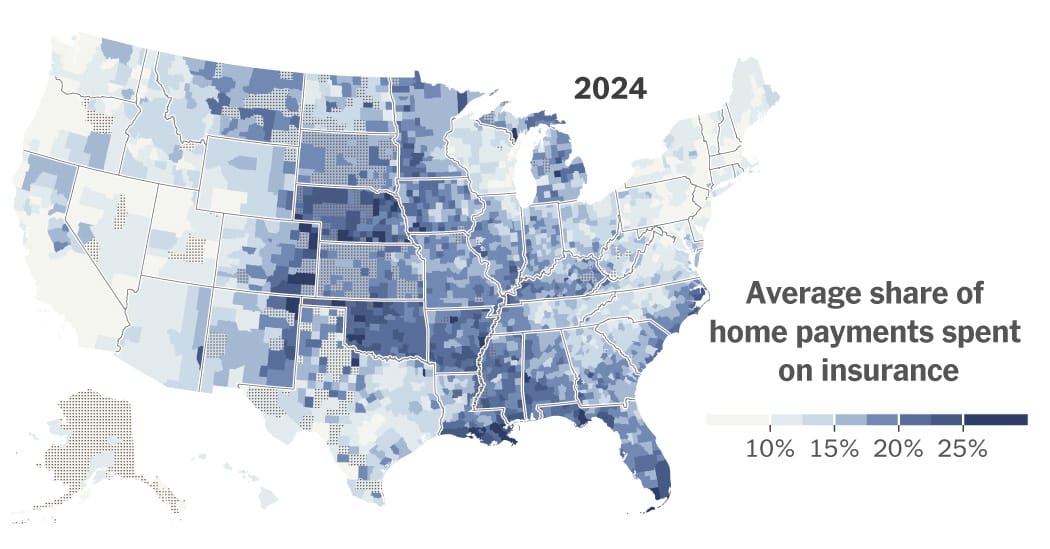
A surge in home insurance premiums is reshaping housing markets across the country, hitting disaster‑prone regions the hardest. From Louisiana to Colorado and California, deals are collapsing, buyers are backing out, and home values are dropping as insurance becomes a central affordability hurdle. New data shows climate‑driven risk repricing and soaring reinsurance costs are stripping tens of thousands of dollars from property values, forcing some homeowners to sell at a loss—or go uninsured altogether.
After years of sluggish activity, the National Association of REALTORS predicts 2026 could mark the long‑awaited rebound for the housing market. With a projected 14% jump in home sales, steadier rates near 6%, and rising buyer activity, NAR economists say momentum is already building. Early signs—like a 31% surge in mortgage applications, continued job growth, and stabilizing prices—suggest a stronger, more confident market ahead, creating fresh opportunities for both seasoned professionals and aspiring agents preparing to enter the field.
A surge of global capital is reshaping real estate heading into 2026, with investors shifting toward hands‑on strategies, cross‑border diversification, and high‑growth asset classes like data centers. Colliers’ 2026 Global Investor Outlook highlights rising confidence, improving liquidity, and a major pivot toward direct investing and value‑add opportunities. From office market rebounds to Asia Pacific’s rapid fundraising growth, the report outlines trends every real estate professional should understand as the industry enters a more dynamic, opportunity‑rich cycle.
Culver City just became the first place in California to legalize six‑story apartment buildings with only one staircase — a simple change that could reshape mid‑rise housing statewide. By freeing up as much as 7% more usable floor space, architects say single‑stair designs allow bigger units, more windows, and the kind of elegant layouts common in New York and Europe. If the city’s six‑year experiment succeeds, it may spark a broader rethinking of U.S. building codes and open the door to more flexible, affordable multifamily development across California.
Stratford homeowners are receiving their 2025 Notices of Assessment Change, marking the town’s first property revaluation since 2019. Officials emphasize that rising assessments do not equal higher tax bills, as a new mill rate won’t be set until spring 2026. Residents can challenge or review their updated valuations through informal hearings hosted by Vision Government Solutions, with appointments available for one week after receiving a notice.
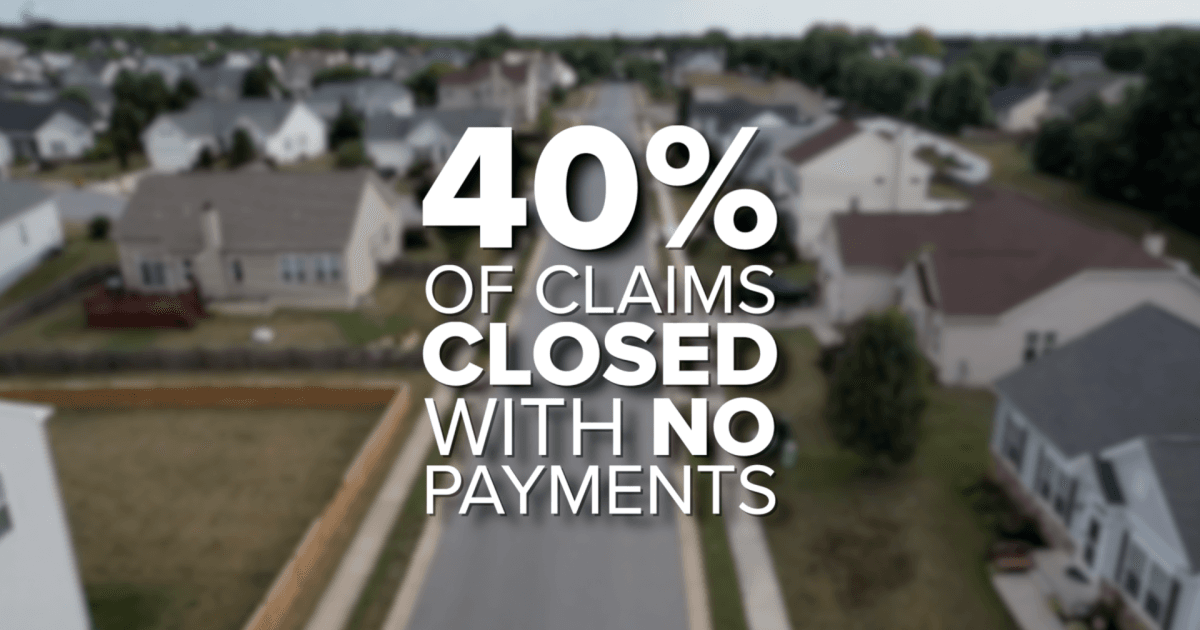
New reporting reveals Florida homeowners now face an average insurance premium of $5,838 per year — nearly triple the national average. With skyrocketing rates, denied claims, and mounting non-renewals, residents are being pushed to tough financial decisions while lawmakers scramble to implement reforms. From retirees skipping coverage to families battling insurers for fair payouts, Florida’s insurance crisis is reshaping both the housing market and the daily lives of homeowners statewide.