Ares Commercial Real Estate Insider Shake‑Up: What Professionals Should Know This Week
If your morning coffee pairs well with a dash of market intrigue, today’s spotlight lands squarely on
Ares Commercial Real Estate Corporation (NYSE:ACRE). The company’s CEO & Director,
Bryan Donohoe, recently sold US$107k worth of shares at an average price of
US$4.93—a move that trimmed his personal stake by roughly 13%.
Insider activity doesn’t always spell trouble, but it always sparks questions. And in today’s evolving market landscape,
Florida real estate agents, mortgage professionals, and investment‑minded specialists nationwide should keep an eye on moves like these.
Understanding market behavior is part of staying competitive—something we take seriously at Cameron Academy as we help professionals stay informed, licensed, and ahead of industry shifts.
A Bigger Pattern? Understanding ACRE Insider Behavior
This isn’t Donohoe’s first sale of the year. Earlier, he sold approximately US$133k worth of shares
at US$5.68 per share—meaning his earlier sale happened at a stronger price point. While insider selling
is common, repeated sales without any insider buying can raise eyebrows among seasoned investors.
According to the data, insiders at Ares Commercial Real Estate made no purchases in the past 12 months.
That doesn’t automatically signal danger, but it does create a tone of caution from within the leadership ranks.
See the Full Insider Activity Chart
Want to explore every insider transaction from the past year?
View the interactive chart here
and dig into dates, prices, and individual trades.
How Much Skin Do Insiders Have in the Game?
Insider ownership sits at about 1.6%—worth roughly US$4.6 million. While not insignificant,
it isn’t especially high either. Lower insider ownership often correlates with lower long-term alignment, though it doesn’t always indicate poor performance.
As the Simply Wall St analysis suggests, many companies show stronger internal confidence through larger insider holdings.
ACRE’s numbers are conservative but not alarming.
What Should Professionals Take Away?
Insiders sold stock recently, and none showed buying activity. Combined with modest insider ownership, the indicators suggest
a measured caution. Still, insider selling by itself is not a forecast of decline—it’s simply one piece of a much larger
market puzzle.
For professionals navigating real estate, finance, and investment spaces, this serves as a reminder of the importance of
market literacy. Whether you’re evaluating REITs, shaping a portfolio, or watching economic signals, staying informed is essential.
If you’re growing your career or expanding your license portfolio,
Cameron Academy provides the educational backbone to help keep you competitive and current.
More From the Source
Explore the full analysis, discover small-cap stocks insiders are buying, or try their free portfolio tools:
And as always: this information isn’t financial advice—but it does help you stay sharp, curious,
and one step ahead as you navigate the day’s headlines.
More Articles
Getting licensed or staying ahead in your career can be a journey—but it doesn’t have to be overwhelming. Grab your favorite coffee or tea, take a moment to relax, and browse through our articles. Whether you’re just starting out or renewing your expertise, we’ve got tips, insights, and advice to keep you moving forward. Here’s to your success—one sip and one step at a time!
A federal judge has denied class‑certification in the high‑stakes Batton commission lawsuit, delivering a temporary win for NAR and major brokerages while leaving the door open for plaintiffs to try again. With as much as $3.6 billion in potential damages on the line and nearly 80% of the proposed class now disqualified due to conflicts with earlier settlements, the case stands at a pivotal moment. Real estate professionals nationwide — especially in Florida — should watch closely, as the ruling could shape the future of buyer‑agent compensation.
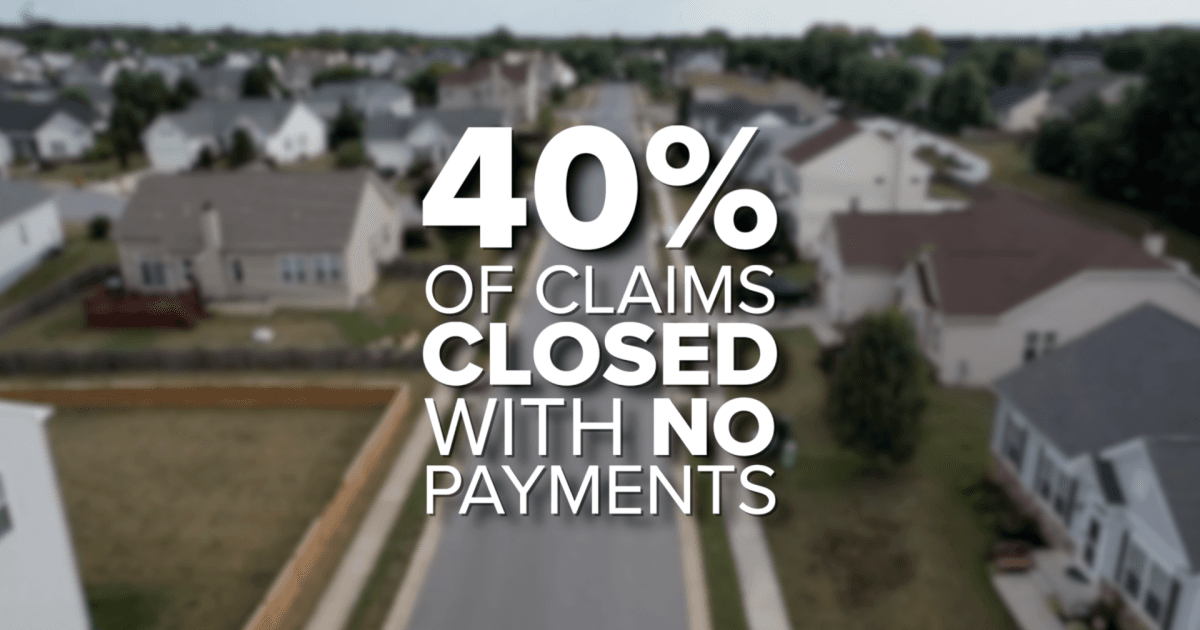
Florida homeowners are paying nearly double the national average for insurance, with premiums now reaching $5,838 a year and denied claims topping 40 percent. Residents report tripled rates, underpaid claims, and mounting financial strain, pushing lawmakers in Tallahassee to propose caps on rate hikes, tax breaks for storm‑proof upgrades, and tighter oversight of insurers. These developments are reshaping real estate and insurance conversations across the state as professionals brace for major industry shifts.
Berkshire County closed Q3 2025 with strong momentum as sales, dollar volume, and buyer competition all climbed year‑over‑year. Inventory showed slight improvement but remains far below demand, keeping the market tilted toward sellers. Single‑family homes and condos led the surge, while multifamily, land, and commercial sectors showed mixed performance. The region continues to stand out as one of New England’s most resilient real estate markets heading into 2026.
Florida homeowners now face the highest insurance burdens in the nation, with average premiums topping $5,800 per year—roughly $3,000 above the national average. As rates triple for some residents, more Floridians are skipping coverage altogether, while denied claims and slow payouts add to the frustration. With over 40 percent of claims closing with no payment and lawmakers battling over reform in Tallahassee, the crisis is reshaping budgets, homebuying decisions, and the real estate industry statewide.
Global capital is surging back into real estate—and this time, investors want more control. Colliers’ 2026 Global Investor Outlook reveals a major shift toward direct investments, joint ventures, and hands‑on strategies as money moves across North America, Europe, and the booming Asia‑Pacific markets. Data centers are now the top‑funded asset class, offices are staging a comeback, and adaptive reuse is reshaping cities worldwide. For real estate and finance professionals, the message is clear: opportunity is accelerating, and those with the right education and licensing will be at the center of the action.
The Fed’s recent rate cuts should have offered relief to commercial real estate—but long-term borrowing costs haven’t budged. While short‑term rates are falling, stubborn long‑term yields, broken deal math, and a trillion‑dollar refinancing wave are keeping the market frozen. For investors and professionals across Florida and the nation, understanding this disconnect is key to navigating the opportunities and risks emerging in today’s shifting CRE landscape.