Average Life Insurance Rates for March 2026: What Professionals Need To Know
The average cost of life insurance in 2026 is holding steady at around 26 dollars a month for a healthy 40-year-old seeking a 20-year, 500,000 dollar term policy. These figures, highlighted by NerdWallet, show how age, health, tobacco use, and risk class continue to shape what Americans pay for coverage.
If you work in real estate, insurance, mortgage, or any field where financial planning matters, understanding how these premiums are set can help you advise clients or make informed choices for yourself. And for those preparing for insurance licensing, Cameron Academy continues to support learners nationwide with a success-focused curriculum built for modern professionals.
To explore the original data source behind these insights, visit NerdWallet at https://www.nerdwallet.com/insurance/life/learn/average-life-insurance-rates.
Why Life Insurance Rates Vary
Life insurance premiums are calculated based on life expectancy. The younger and healthier the applicant, the lower the insurer’s risk. This translates into more affordable premiums. Underwriting factors include age, gender, smoking habits, medical history, weight, family health background, driving record, and lifestyle decisions.
Permanent policies cost significantly more than term policies because they last a lifetime and accumulate cash value. Add-ons such as riders for children or living benefits can further increase premiums.
What Does Not Affect Your Premium
Certain aspects have no influence on life insurance pricing. These include ethnicity, race, sexual orientation, marital status, number of beneficiaries, and number of policies owned. Credit score itself does not directly affect premiums, though insurers may still review credit history when evaluating overall risk.
Average Term Life Insurance Costs by Age
Based on recent LifeStein.com data, here is a general look at average annual rates for a 500,000 dollar, 20-year term policy for healthy nonsmokers:
Men: Age 20 at 212 dollars, 30 at 215 dollars, 40 at 330 dollars, 50 at 815 dollars, 60 at 2,342 dollars, 70 at 10,968 dollars.
Women: Age 20 at 176 dollars, 30 at 184 dollars, 40 at 280 dollars, 50 at 640 dollars, 60 at 1,650 dollars, 70 at 7,785 dollars.
Smokers see a sharp increase across all age brackets. For example, a 40-year-old male smoker can expect to pay around 1,482 dollars annually compared to 330 dollars for a nonsmoker.
Whole Life Insurance Rates
Whole life policies are much more expensive due to lifetime coverage and cash value growth. A healthy 40-year-old man pays around 5,524 dollars annually, while a woman of the same age pays about 4,967 dollars. Smokers at this age often exceed 7,500 dollars per year.
No-Exam Life Insurance Costs
No-exam policies provide convenience but cost more because insurers receive limited medical information. For a 40-year-old woman, preferred plus rates begin around 280 dollars annually, while standard rates reach approximately 494 dollars. A 40-year-old male no-exam applicant pays between 330 and 640 dollars based on risk class.
Rates by Risk Class
Risk classes such as preferred plus, preferred, and standard create significant pricing gaps. For example, a nonsmoking 50-year-old male sees preferred plus rates around 816 dollars annually, while standard rates rise to about 1,501 dollars.
Rates by Term Length
Healthy 40-year-old applicants pay roughly 201 dollars annually for a 10-year policy, while women pay around 175 dollars. Extending to a 20-year term raises rates to 331 dollars and 281 dollars respectively. Longer 30-year terms increase prices further due to higher long-term insurer liability.
How To Save on Life Insurance
Pro Tips To Lower Your Premiums:
Choose term life insurance for affordability.
Take the medical exam if you are healthy.
Purchase coverage early.
Quit smoking to significantly reduce premiums.
Round up coverage to access better rate tiers.
Document treatment for pre-existing conditions.
Compare multiple insurer quotes.
These principles are essential for insurance professionals and also heavily emphasized in modern licensing coursework. Those preparing for insurance, mortgage, or real estate careers can benefit from the structured, exam-focused training that Cameron Academy provides nationwide.
Explore Your Options
Life insurance remains a powerful component of long-term financial stability. Compare quotes, understand your risk class, and choose coverage that aligns with your goals. For more insights, tools, and licensing pathways across real estate, mortgage, insurance, and finance, explore Cameron Academy and take charge of your professional future.
More Articles
Getting licensed or staying ahead in your career can be a journey—but it doesn’t have to be overwhelming. Grab your favorite coffee or tea, take a moment to relax, and browse through our articles. Whether you’re just starting out or renewing your expertise, we’ve got tips, insights, and advice to keep you moving forward. Here’s to your success—one sip and one step at a time!
Just 48 hours after NAR unveiled major revisions to its MLS policies, plaintiffs in the Michigan-based Hardy lawsuit moved to use those changes as evidence, arguing they prove NAR’s prior rules were anticompetitive. NAR denies any wrongdoing, but the case is quickly becoming a key test for whether MLS access should require Realtor membership — a question now echoing across multiple states and potentially reshaping how real estate professionals nationwide access the industry’s most essential tool.
Florida homeowners are now paying some of the highest insurance premiums in the country, with average costs topping $5,800 per year—nearly double the national average. Residents report skyrocketing rates, denied claims, and tough choices between costly coverage and financial risk. As frustration grows, lawmakers and consumer advocates are pushing new reforms aimed at increasing transparency, capping rate hikes, and protecting policyholders in one of the nation’s most volatile insurance markets.
Economic uncertainty, rapid AI adoption, tighter capital flows, and rising portfolio risk are reshaping the 2026 commercial real estate landscape. From shifting workforce patterns to a national housing attainability crisis, the industry is entering a data‑driven, fundamentals‑focused era—making adaptability, education, and tech literacy essential for real estate professionals.
Mortgage rates have climbed to 6.23 percent as investors grow doubtful that the Federal Reserve will deliver a rate cut in December. A soft but unclear jobs report and persistent inflation have pushed borrowing costs higher, reversing October’s brief relief in the housing market. Real estate and mortgage professionals should prepare clients for continued volatility as the Fed’s December meeting approaches.
After years of tight inventory, high mortgage rates, and sluggish sales, economists say 2026 is shaping up to be the turnaround real estate professionals have been waiting for. NAR projects a 14 percent jump in home sales, mortgage rates easing toward 6 percent, and buyer demand finally gaining momentum. While higher‑end homes are moving quickly, first‑time buyers continue to face affordability challenges, and price reductions are reappearing as sellers adjust to shifting conditions. For Florida agents, brokers, and newcomers, the stage is being set for a busy and opportunity‑rich year.
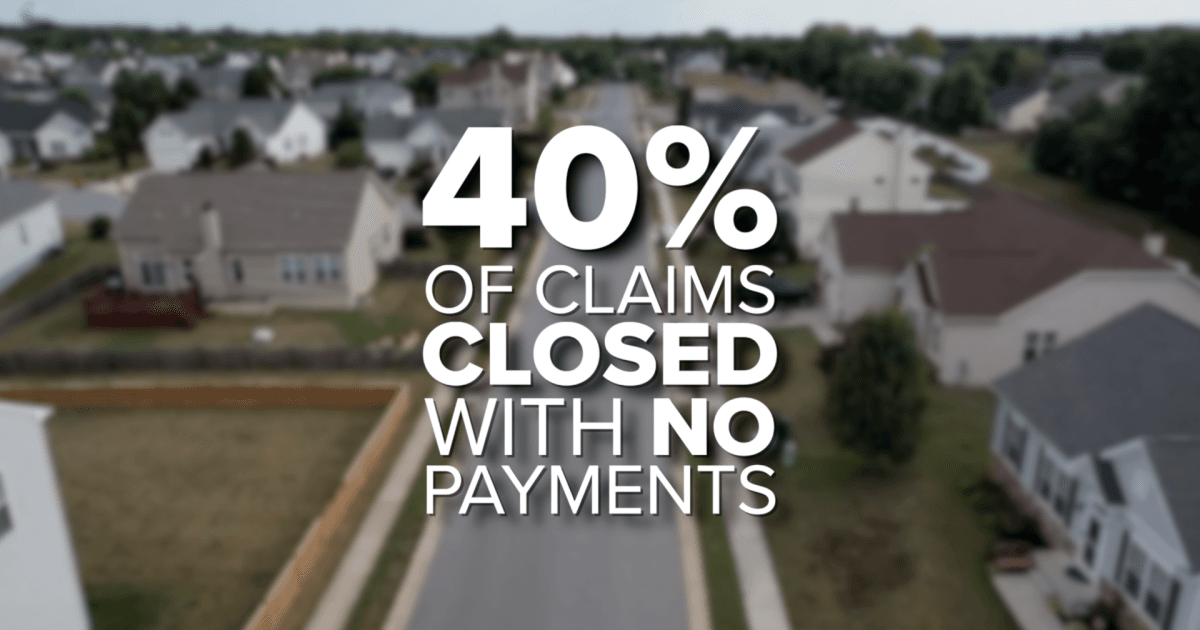
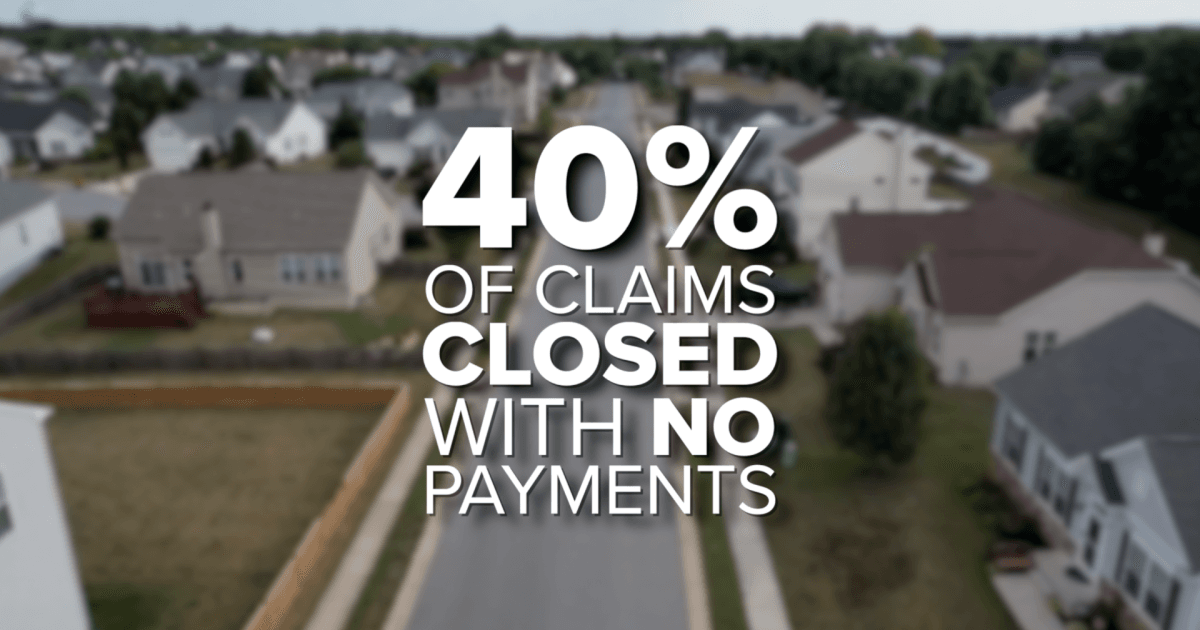
Florida’s average homeowner insurance premium has soared to $5,838 a year—almost $3,000 above the national average—pushing many residents to the financial brink. From tripled premiums to lowball claim payouts, homeowners are speaking out as frustration mounts. Some are even dropping coverage entirely. With more than 40% of claims closed without payment and policy cancellations at record levels, lawmakers are pushing for reforms, but political hurdles remain. The outcome could reshape Florida real estate, insurance, and mortgage markets for years to come.