Average Life Insurance Rates for March 2026: What Professionals Need To Know
The average cost of life insurance in 2026 is holding steady at around 26 dollars a month for a healthy 40-year-old seeking a 20-year, 500,000 dollar term policy. These figures, highlighted by NerdWallet, show how age, health, tobacco use, and risk class continue to shape what Americans pay for coverage.
If you work in real estate, insurance, mortgage, or any field where financial planning matters, understanding how these premiums are set can help you advise clients or make informed choices for yourself. And for those preparing for insurance licensing, Cameron Academy continues to support learners nationwide with a success-focused curriculum built for modern professionals.
To explore the original data source behind these insights, visit NerdWallet at https://www.nerdwallet.com/insurance/life/learn/average-life-insurance-rates.
Why Life Insurance Rates Vary
Life insurance premiums are calculated based on life expectancy. The younger and healthier the applicant, the lower the insurer’s risk. This translates into more affordable premiums. Underwriting factors include age, gender, smoking habits, medical history, weight, family health background, driving record, and lifestyle decisions.
Permanent policies cost significantly more than term policies because they last a lifetime and accumulate cash value. Add-ons such as riders for children or living benefits can further increase premiums.
What Does Not Affect Your Premium
Certain aspects have no influence on life insurance pricing. These include ethnicity, race, sexual orientation, marital status, number of beneficiaries, and number of policies owned. Credit score itself does not directly affect premiums, though insurers may still review credit history when evaluating overall risk.
Average Term Life Insurance Costs by Age
Based on recent LifeStein.com data, here is a general look at average annual rates for a 500,000 dollar, 20-year term policy for healthy nonsmokers:
Men: Age 20 at 212 dollars, 30 at 215 dollars, 40 at 330 dollars, 50 at 815 dollars, 60 at 2,342 dollars, 70 at 10,968 dollars.
Women: Age 20 at 176 dollars, 30 at 184 dollars, 40 at 280 dollars, 50 at 640 dollars, 60 at 1,650 dollars, 70 at 7,785 dollars.
Smokers see a sharp increase across all age brackets. For example, a 40-year-old male smoker can expect to pay around 1,482 dollars annually compared to 330 dollars for a nonsmoker.
Whole Life Insurance Rates
Whole life policies are much more expensive due to lifetime coverage and cash value growth. A healthy 40-year-old man pays around 5,524 dollars annually, while a woman of the same age pays about 4,967 dollars. Smokers at this age often exceed 7,500 dollars per year.
No-Exam Life Insurance Costs
No-exam policies provide convenience but cost more because insurers receive limited medical information. For a 40-year-old woman, preferred plus rates begin around 280 dollars annually, while standard rates reach approximately 494 dollars. A 40-year-old male no-exam applicant pays between 330 and 640 dollars based on risk class.
Rates by Risk Class
Risk classes such as preferred plus, preferred, and standard create significant pricing gaps. For example, a nonsmoking 50-year-old male sees preferred plus rates around 816 dollars annually, while standard rates rise to about 1,501 dollars.
Rates by Term Length
Healthy 40-year-old applicants pay roughly 201 dollars annually for a 10-year policy, while women pay around 175 dollars. Extending to a 20-year term raises rates to 331 dollars and 281 dollars respectively. Longer 30-year terms increase prices further due to higher long-term insurer liability.
How To Save on Life Insurance
Pro Tips To Lower Your Premiums:
Choose term life insurance for affordability.
Take the medical exam if you are healthy.
Purchase coverage early.
Quit smoking to significantly reduce premiums.
Round up coverage to access better rate tiers.
Document treatment for pre-existing conditions.
Compare multiple insurer quotes.
These principles are essential for insurance professionals and also heavily emphasized in modern licensing coursework. Those preparing for insurance, mortgage, or real estate careers can benefit from the structured, exam-focused training that Cameron Academy provides nationwide.
Explore Your Options
Life insurance remains a powerful component of long-term financial stability. Compare quotes, understand your risk class, and choose coverage that aligns with your goals. For more insights, tools, and licensing pathways across real estate, mortgage, insurance, and finance, explore Cameron Academy and take charge of your professional future.
More Articles
Getting licensed or staying ahead in your career can be a journey—but it doesn’t have to be overwhelming. Grab your favorite coffee or tea, take a moment to relax, and browse through our articles. Whether you’re just starting out or renewing your expertise, we’ve got tips, insights, and advice to keep you moving forward. Here’s to your success—one sip and one step at a time!
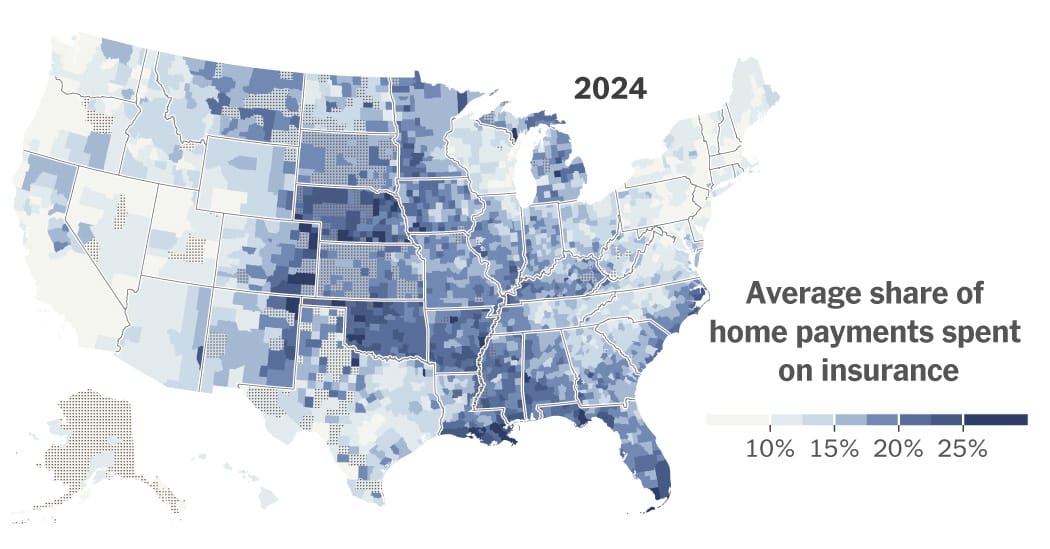
A surge in home insurance premiums is reshaping housing markets across the country, hitting disaster‑prone regions the hardest. From Louisiana to Colorado and California, deals are collapsing, buyers are backing out, and home values are dropping as insurance becomes a central affordability hurdle. New data shows climate‑driven risk repricing and soaring reinsurance costs are stripping tens of thousands of dollars from property values, forcing some homeowners to sell at a loss—or go uninsured altogether.
After years of sluggish activity, the National Association of REALTORS predicts 2026 could mark the long‑awaited rebound for the housing market. With a projected 14% jump in home sales, steadier rates near 6%, and rising buyer activity, NAR economists say momentum is already building. Early signs—like a 31% surge in mortgage applications, continued job growth, and stabilizing prices—suggest a stronger, more confident market ahead, creating fresh opportunities for both seasoned professionals and aspiring agents preparing to enter the field.
A surge of global capital is reshaping real estate heading into 2026, with investors shifting toward hands‑on strategies, cross‑border diversification, and high‑growth asset classes like data centers. Colliers’ 2026 Global Investor Outlook highlights rising confidence, improving liquidity, and a major pivot toward direct investing and value‑add opportunities. From office market rebounds to Asia Pacific’s rapid fundraising growth, the report outlines trends every real estate professional should understand as the industry enters a more dynamic, opportunity‑rich cycle.
Culver City just became the first place in California to legalize six‑story apartment buildings with only one staircase — a simple change that could reshape mid‑rise housing statewide. By freeing up as much as 7% more usable floor space, architects say single‑stair designs allow bigger units, more windows, and the kind of elegant layouts common in New York and Europe. If the city’s six‑year experiment succeeds, it may spark a broader rethinking of U.S. building codes and open the door to more flexible, affordable multifamily development across California.
Stratford homeowners are receiving their 2025 Notices of Assessment Change, marking the town’s first property revaluation since 2019. Officials emphasize that rising assessments do not equal higher tax bills, as a new mill rate won’t be set until spring 2026. Residents can challenge or review their updated valuations through informal hearings hosted by Vision Government Solutions, with appointments available for one week after receiving a notice.
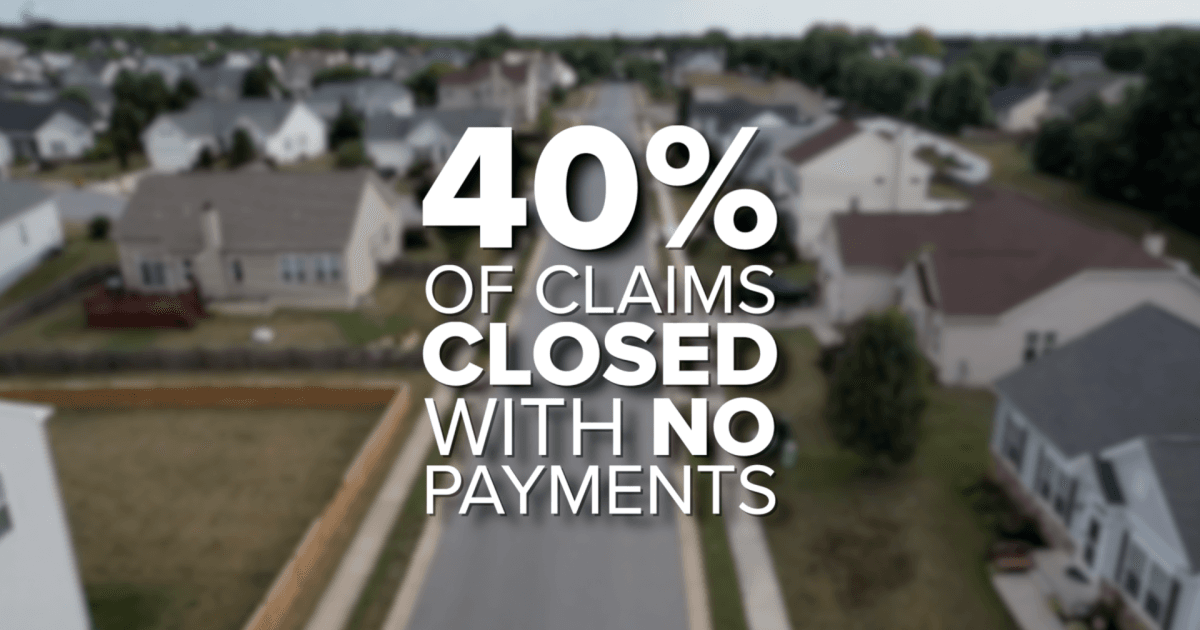
New reporting reveals Florida homeowners now face an average insurance premium of $5,838 per year — nearly triple the national average. With skyrocketing rates, denied claims, and mounting non-renewals, residents are being pushed to tough financial decisions while lawmakers scramble to implement reforms. From retirees skipping coverage to families battling insurers for fair payouts, Florida’s insurance crisis is reshaping both the housing market and the daily lives of homeowners statewide.