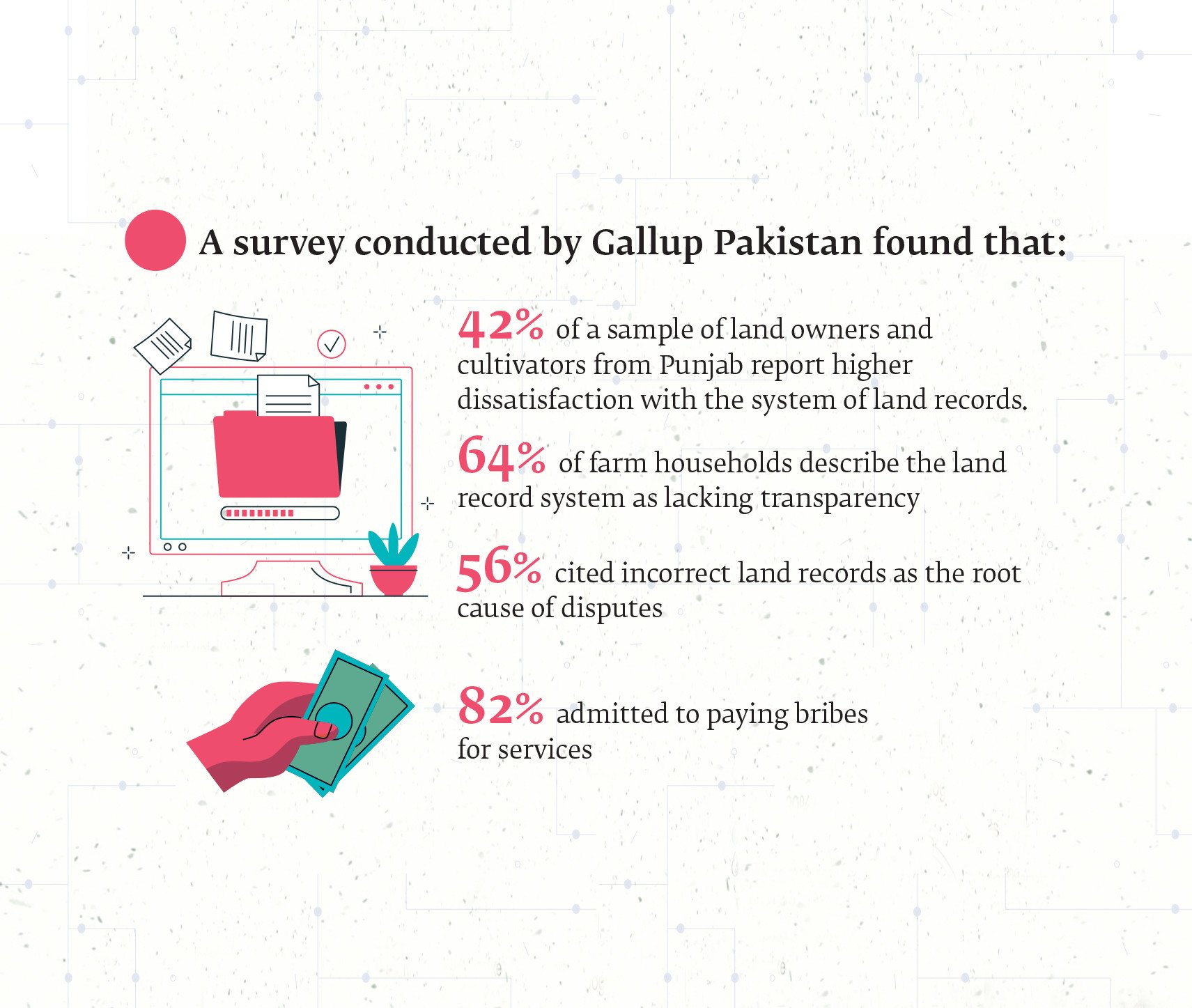
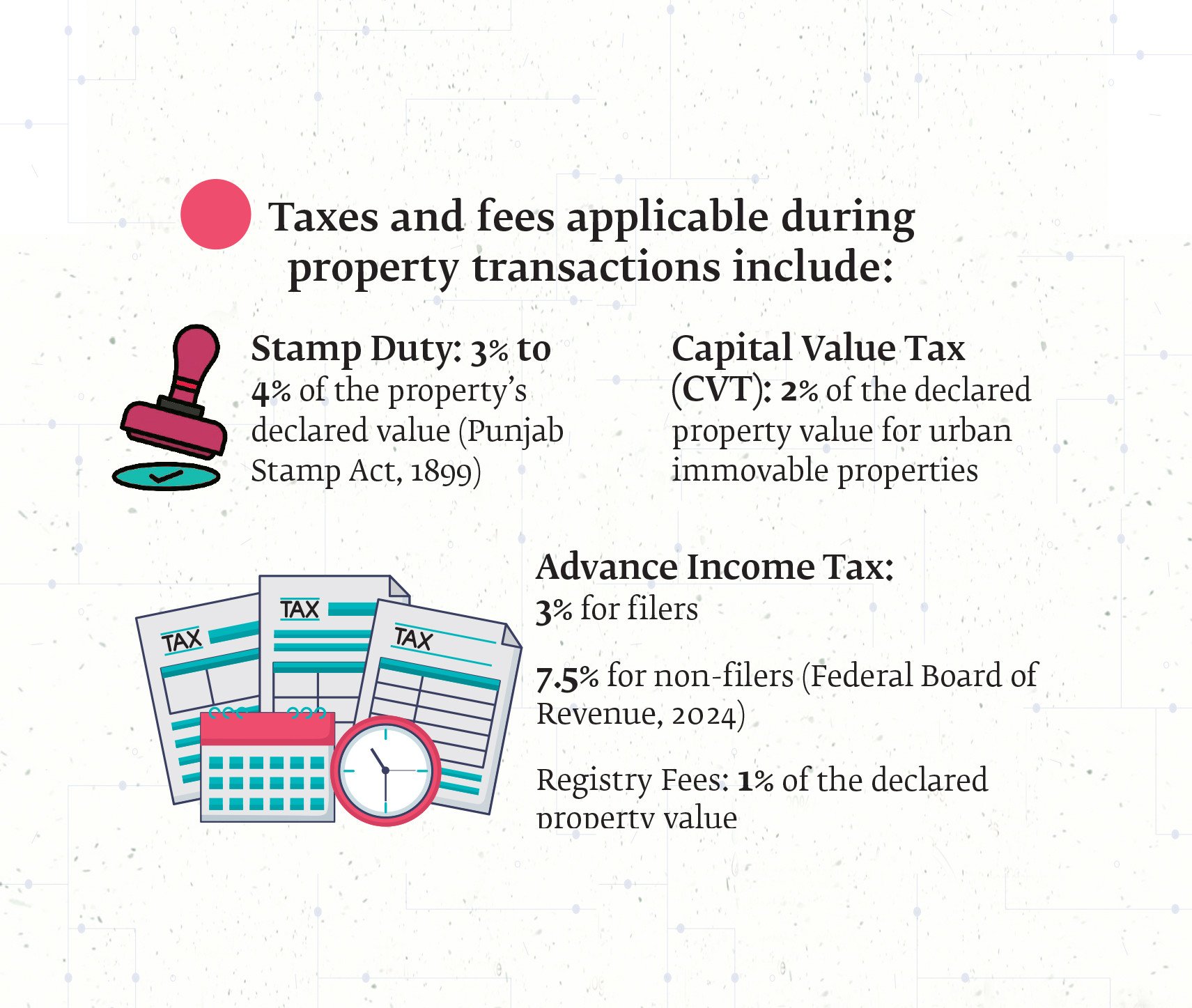
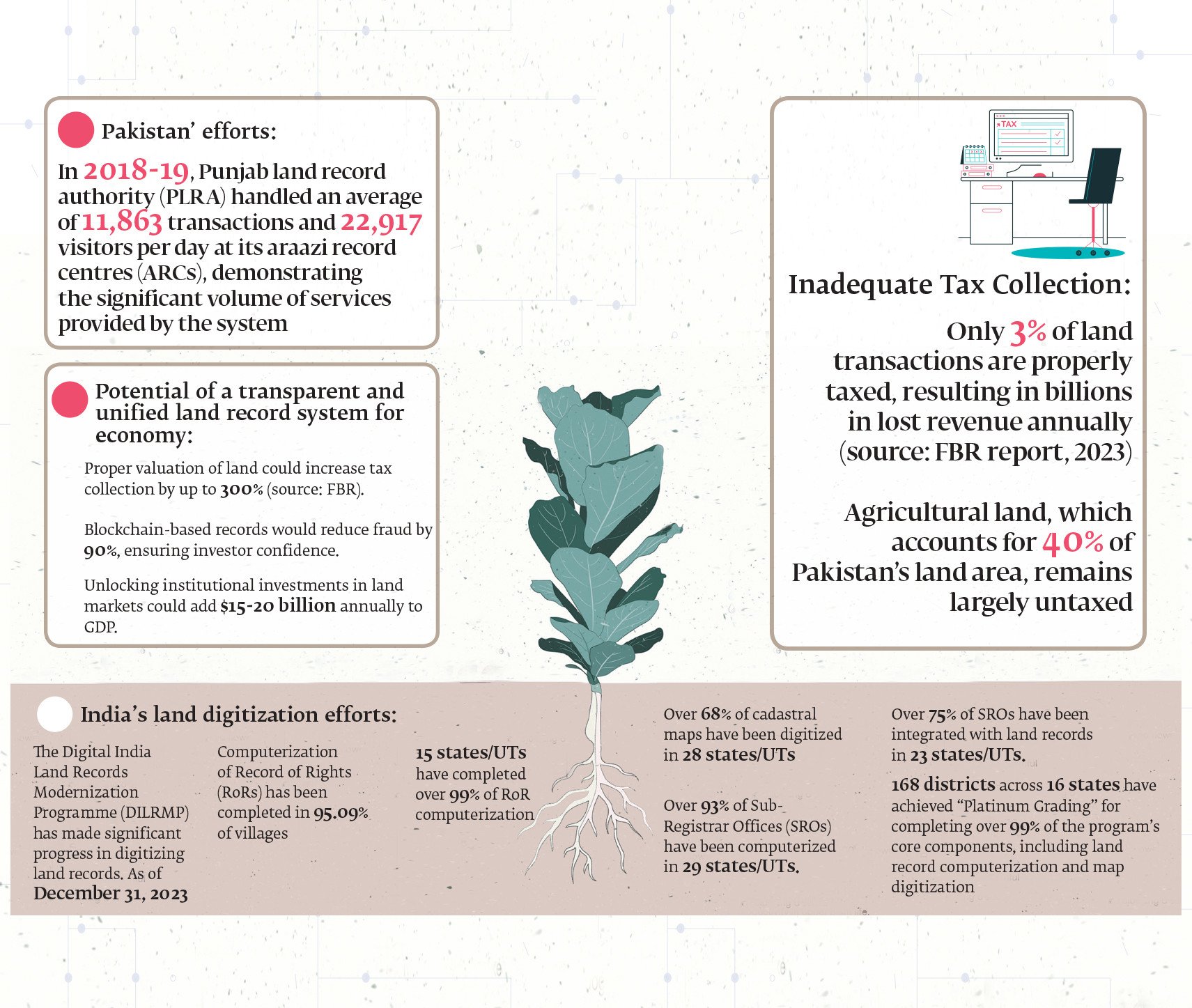
In the heart of Pakistan’s bustling cities and sprawling rural landscapes lies a persistent challenge that has long stifled economic growth and social stability: land management. For decades, the system has been mired in inefficiencies, corruption, and outdated colonial-era practices, leaving millions frustrated and the nation’s economic potential untapped.
Efforts to modernize this convoluted system have been made, notably through initiatives like Punjab’s Land Record Management Information System (LRMIS). However, these efforts remain fragmented and limited in scope. The slow pace of digitization and the continued reliance on manual records mean that the full benefits of these initiatives are yet to be realized. According to a recent article in The Express Tribune, the ongoing challenges in land ownership and management are a significant hurdle to Pakistan’s progress.
Blockchain: A Beacon of Hope
Amidst these challenges, blockchain technology emerges as a promising solution. Known for its secure and transparent nature, blockchain could revolutionize land management in Pakistan by ensuring clear and immutable land titles. This technology has the potential to reduce corruption and fraudulent transactions, offering a path towards a more efficient and equitable system.
International examples provide a blueprint for success. Georgia’s blockchain land registry, for instance, has been hailed as a triumph in transparency and fraud prevention. By storing land records on an immutable digital ledger, Georgia has effectively eliminated disputes arising from document manipulation. This model offers valuable lessons for Pakistan, highlighting the transformative potential of blockchain in governance.
Challenges and the Road Ahead
Despite its promise, implementing blockchain in Pakistan is not without challenges. Political resistance, bureaucratic inertia, and a lack of technical expertise pose significant hurdles. Moreover, vested interests benefiting from the current system’s opacity are likely to oppose such reforms. Overcoming these obstacles will require strong political will and collaboration across federal and provincial levels.
To pave the way for blockchain adoption, Pakistan must first consolidate existing digitization efforts, integrating provincial databases into a unified national platform. Legislation should standardize land valuation methods, eliminating disparities and closing loopholes that allow tax evasion. Public awareness campaigns will also be crucial in ensuring widespread adoption and trust in the new system.
Conclusion: A Call for Urgent Reform
The inefficiencies in Pakistan’s land management system have persisted for too long, hindering economic growth and legal transparency. However, with the right reforms and the adoption of cutting-edge technology, Pakistan has the potential to revolutionize its land administration. By learning from global examples and embracing blockchain’s capabilities, the country can unlock billions in economic value, boost investor confidence, and strengthen tax revenues.
The need for reform is urgent — Pakistan cannot afford to let its land management crisis continue unchecked. As highlighted in The Express Tribune, the time for action is now.
Getting licensed or staying ahead in your career can be a journey—but it doesn’t have to be overwhelming. Grab your favorite coffee or tea, take a moment to relax, and browse through our articles. Whether you’re just starting out or renewing your expertise, we’ve got tips, insights, and advice to keep you moving forward. Here’s to your success—one sip and one step at a time!
Florida homeowners are getting long‑awaited relief this spring as insurance premiums drop across the state, with some counties seeing reductions of up to 14 percent. After years of skyrocketing rates and insurer withdrawals, a series of legislative reforms has attracted new companies, reduced lawsuits, and restored competition—leading to lower costs for more than 330,000 Citizens policyholders and multiple private‑market rate cuts. This shift is boosting not only homeowners, but also Florida’s broader economy and real estate market, offering valuable insights for professionals in real estate, insurance, mortgage, and finance.
Artificial intelligence has transformed real estate marketing by making it easy to generate polished, digitally enhanced listing photos. But as AI tools increasingly replace reality with idealized versions of homes, a new issue has emerged: housefishing. Buyers and renters are showing up to properties that look nothing like the online images, leading regulators to step in and require transparency. With laws like California’s newly enacted Assembly Bill 723, the industry is being pushed toward clearer labeling and ethical use of AI. As trust becomes a growing concern, real estate professionals must balance innovation with accuracy to stay compliant and credible.
Massachusetts has unanimously advanced bill S.2947, a major push to curb housing discrimination by expanding fair housing education requirements for real estate agents. The proposal increases training hours for both current and future licensees and doubles penalties for violations, marking a significant shift toward stronger consumer protections and higher professional standards across the state’s housing market.
Energy costs have moved from a background expense to a major force influencing affordability, property values, and development across the Hudson Valley. Aging housing stock, grid constraints, and rising utility bills are reshaping both residential and commercial real estate decisions—rewarding energy‑efficient properties and pressuring households already struggling to balance essential expenses.
AI is transforming the daily workflow of real estate pros by speeding up marketing, simplifying client communication, and sharpening pricing strategies. As highlighted in an NBC 6 feature, agents are using AI to draft listing descriptions, generate social media content, organize inquiries, and analyze market data in minutes. Whether you're new to the industry or an experienced agent, AI is quickly becoming an essential tool for working smarter and staying competitive.