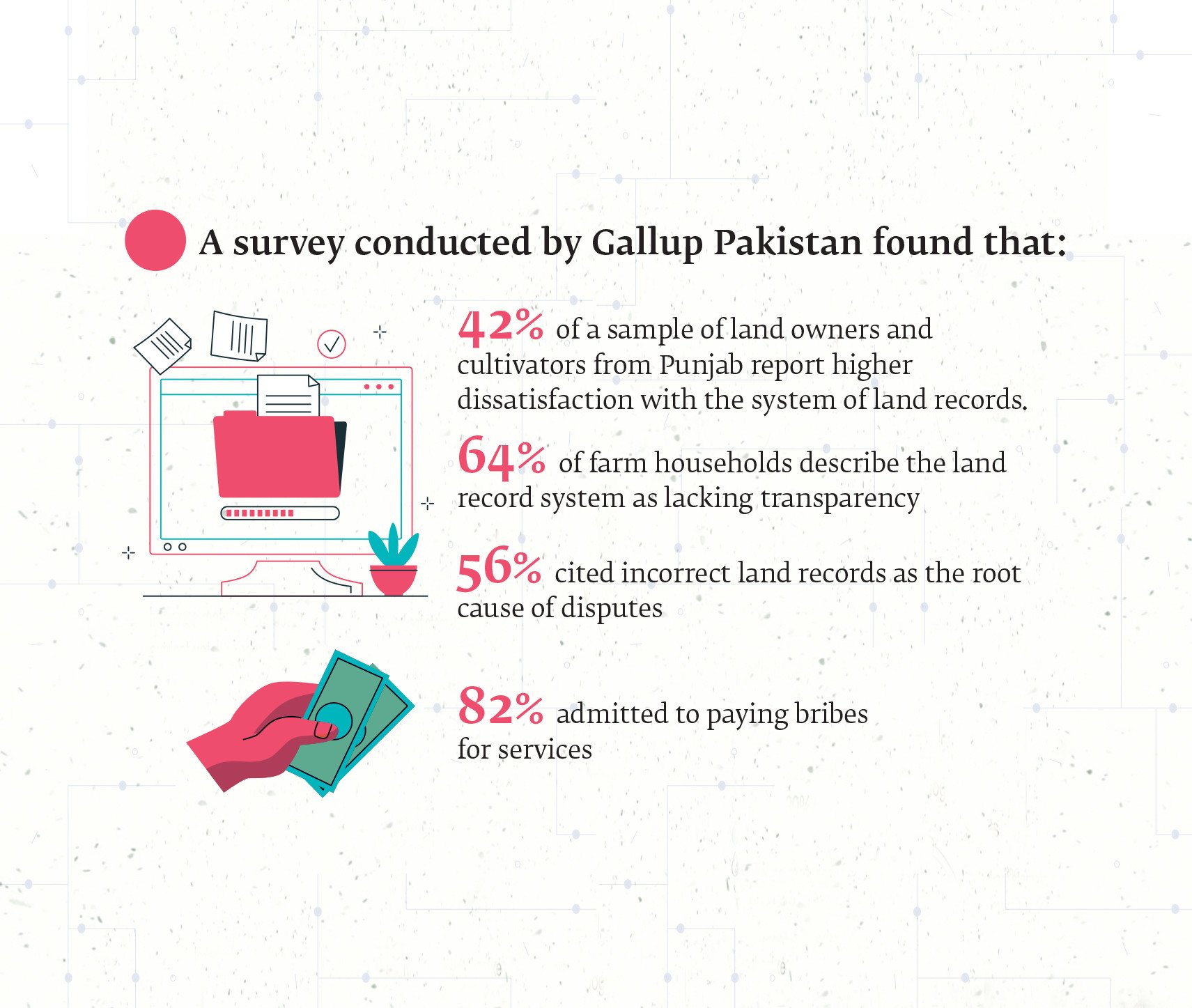
In the heart of Pakistan’s bustling cities and sprawling rural landscapes lies a persistent challenge that has long stifled economic growth and social stability: land management. For decades, the system has been mired in inefficiencies, corruption, and outdated colonial-era practices, leaving millions frustrated and the nation’s economic potential untapped.
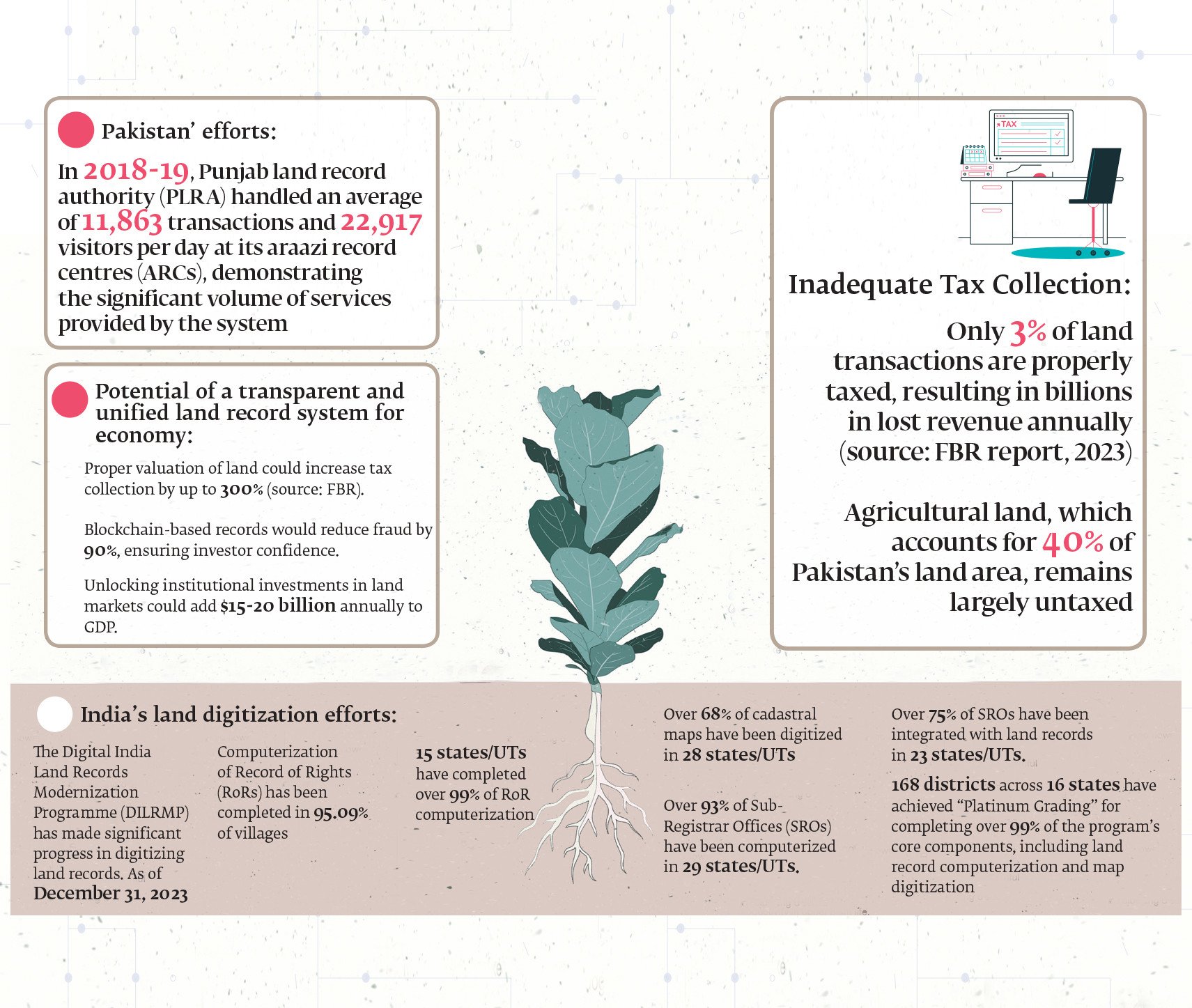
Efforts to modernize this convoluted system have been made, notably through initiatives like Punjab’s Land Record Management Information System (LRMIS). However, these efforts remain fragmented and limited in scope. The slow pace of digitization and the continued reliance on manual records mean that the full benefits of these initiatives are yet to be realized. According to a recent article in The Express Tribune, the ongoing challenges in land ownership and management are a significant hurdle to Pakistan’s progress.
Blockchain: A Beacon of Hope
Amidst these challenges, blockchain technology emerges as a promising solution. Known for its secure and transparent nature, blockchain could revolutionize land management in Pakistan by ensuring clear and immutable land titles. This technology has the potential to reduce corruption and fraudulent transactions, offering a path towards a more efficient and equitable system.
International examples provide a blueprint for success. Georgia’s blockchain land registry, for instance, has been hailed as a triumph in transparency and fraud prevention. By storing land records on an immutable digital ledger, Georgia has effectively eliminated disputes arising from document manipulation. This model offers valuable lessons for Pakistan, highlighting the transformative potential of blockchain in governance.
Challenges and the Road Ahead
Despite its promise, implementing blockchain in Pakistan is not without challenges. Political resistance, bureaucratic inertia, and a lack of technical expertise pose significant hurdles. Moreover, vested interests benefiting from the current system’s opacity are likely to oppose such reforms. Overcoming these obstacles will require strong political will and collaboration across federal and provincial levels.
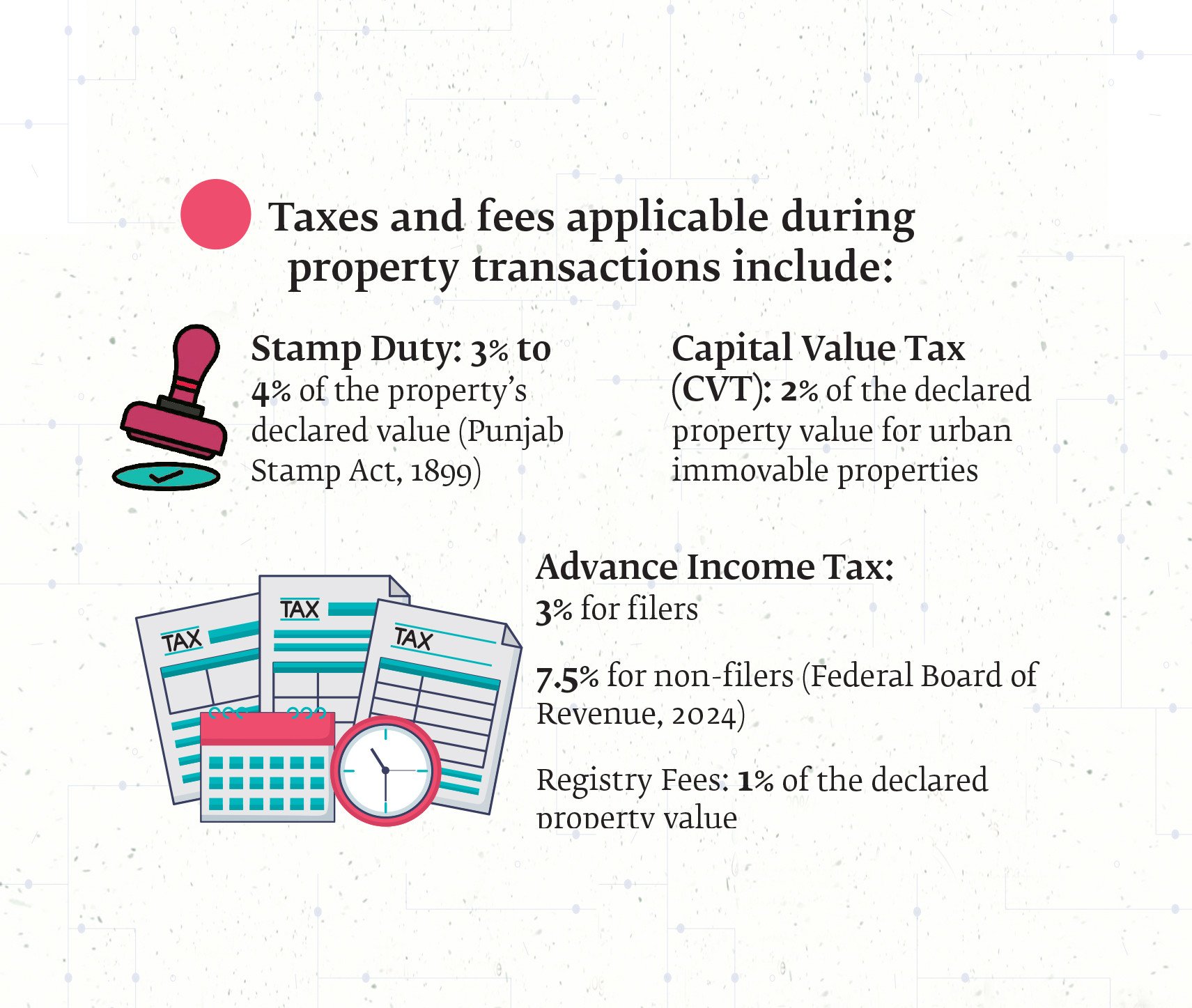
To pave the way for blockchain adoption, Pakistan must first consolidate existing digitization efforts, integrating provincial databases into a unified national platform. Legislation should standardize land valuation methods, eliminating disparities and closing loopholes that allow tax evasion. Public awareness campaigns will also be crucial in ensuring widespread adoption and trust in the new system.
Conclusion: A Call for Urgent Reform
The inefficiencies in Pakistan’s land management system have persisted for too long, hindering economic growth and legal transparency. However, with the right reforms and the adoption of cutting-edge technology, Pakistan has the potential to revolutionize its land administration. By learning from global examples and embracing blockchain’s capabilities, the country can unlock billions in economic value, boost investor confidence, and strengthen tax revenues.
The need for reform is urgent — Pakistan cannot afford to let its land management crisis continue unchecked. As highlighted in The Express Tribune, the time for action is now.
Getting licensed or staying ahead in your career can be a journey—but it doesn’t have to be overwhelming. Grab your favorite coffee or tea, take a moment to relax, and browse through our articles. Whether you’re just starting out or renewing your expertise, we’ve got tips, insights, and advice to keep you moving forward. Here’s to your success—one sip and one step at a time!
Commercial real estate is undergoing rapid transformation driven by flexible workspaces, booming industrial demand, sustainability priorities, and advanced building technology. As tenant expectations evolve, investors and professionals who adapt to modular work environments, e-commerce driven logistics growth, green building standards, and tech integrated properties will be best positioned for long term success in an increasingly dynamic market.
Florida homeowners are getting long-awaited relief as the state ends its 1 percent insurance surcharge two years ahead of schedule. The charge, originally added after multiple insurer failures, will officially conclude on October 1, saving residents an estimated 650 million dollars. While individual savings average about 31 dollars per policy, the move signals a healthier and more stable insurance market—welcome news for homeowners, buyers, and real estate professionals across the state.
This week’s biggest real estate tech updates are reshaping how agents market listings, how builders present inventory, and how sellers prep their homes. Canva and Rechat now offer a seamless MLS‑to‑marketing workflow, PulteGroup is expanding AI to create consistent digital listings, and Simplify Home is accelerating pre‑listing improvements with pay‑at‑closing options. These innovations highlight a clear trend: real estate pros who embrace smarter tools will move faster and win more business.
A new national analysis shows that where you choose to launch your career can dramatically impact your early financial stability, job growth, and long‑term success. Wyoming, Vermont, and the Dakotas offer the strongest opportunities for entry‑level professionals thanks to abundant jobs and affordable housing. Meanwhile, states like California and Hawaii present steep challenges with extremely limited openings and sky‑high living costs. For those eyeing real estate, mortgage, insurance, or finance careers, Florida remains competitive but promising—and Cameron Academy is ready to help you get licensed and career‑ready no matter where you start.
Florida lawmakers have approved HB 399, a sweeping land‑use overhaul that aims to expand housing supply but has sparked concern over weakened local authority and potential sprawl. Supporters argue the bill will ease affordability pressures, while opponents warn it sidelines voter-approved growth protections and shifts too much power toward developers. The measure now moves to the Senate, positioning it as a pivotal issue for real estate professionals navigating Florida’s evolving regulatory landscape.
A new study shows that buyers in the Florida Keys are gaining more influence over pricing and negotiations, signaling a cooling and maturing market heading into 2026. With increased leverage on the buyer side, real estate professionals must adapt their strategies—sharpening pricing analysis, negotiation skills, and market insights—to stay competitive in a shifting Monroe County landscape.