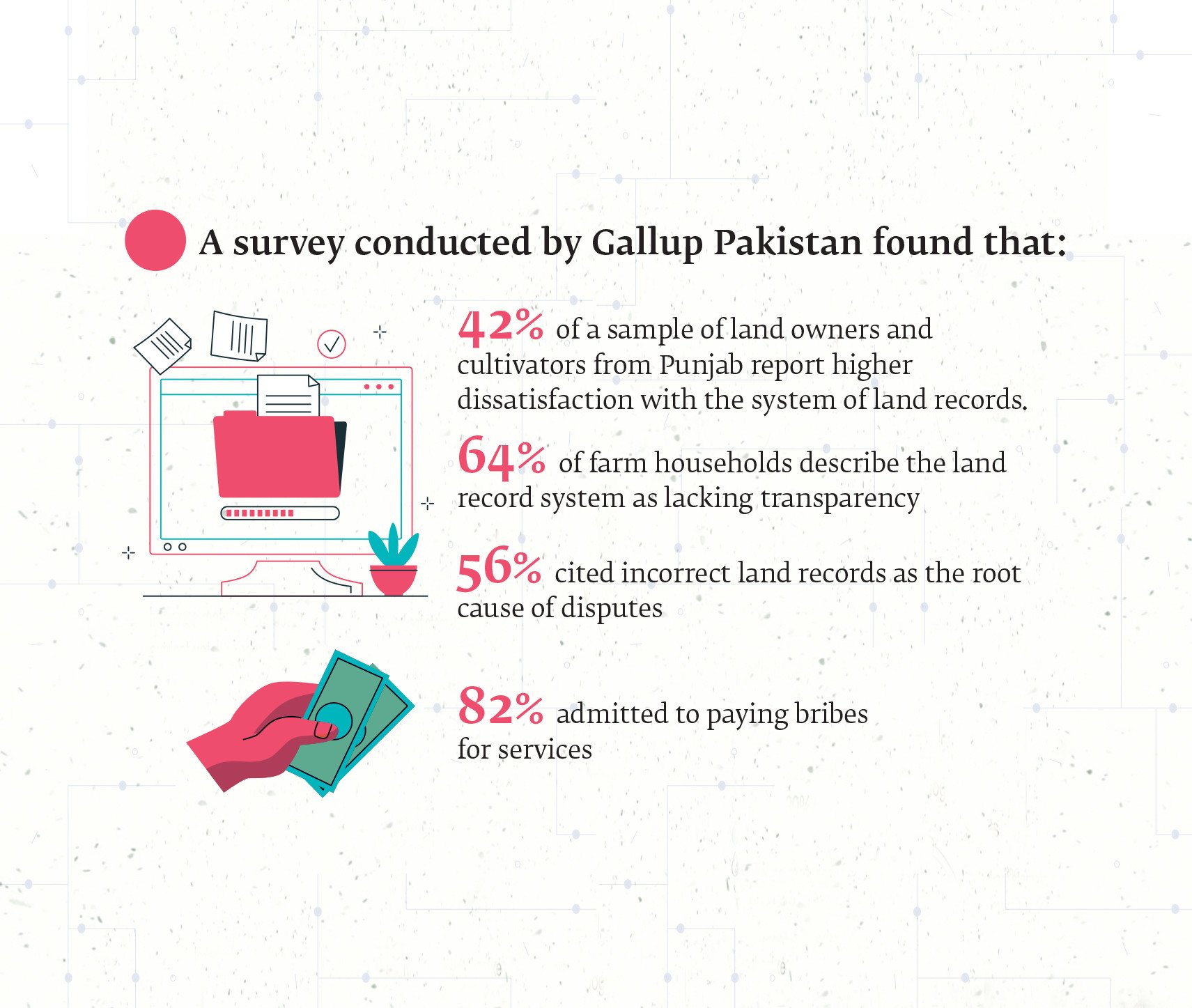
In the heart of Pakistan’s bustling cities and sprawling rural landscapes lies a persistent challenge that has long stifled economic growth and social stability: land management. For decades, the system has been mired in inefficiencies, corruption, and outdated colonial-era practices, leaving millions frustrated and the nation’s economic potential untapped.
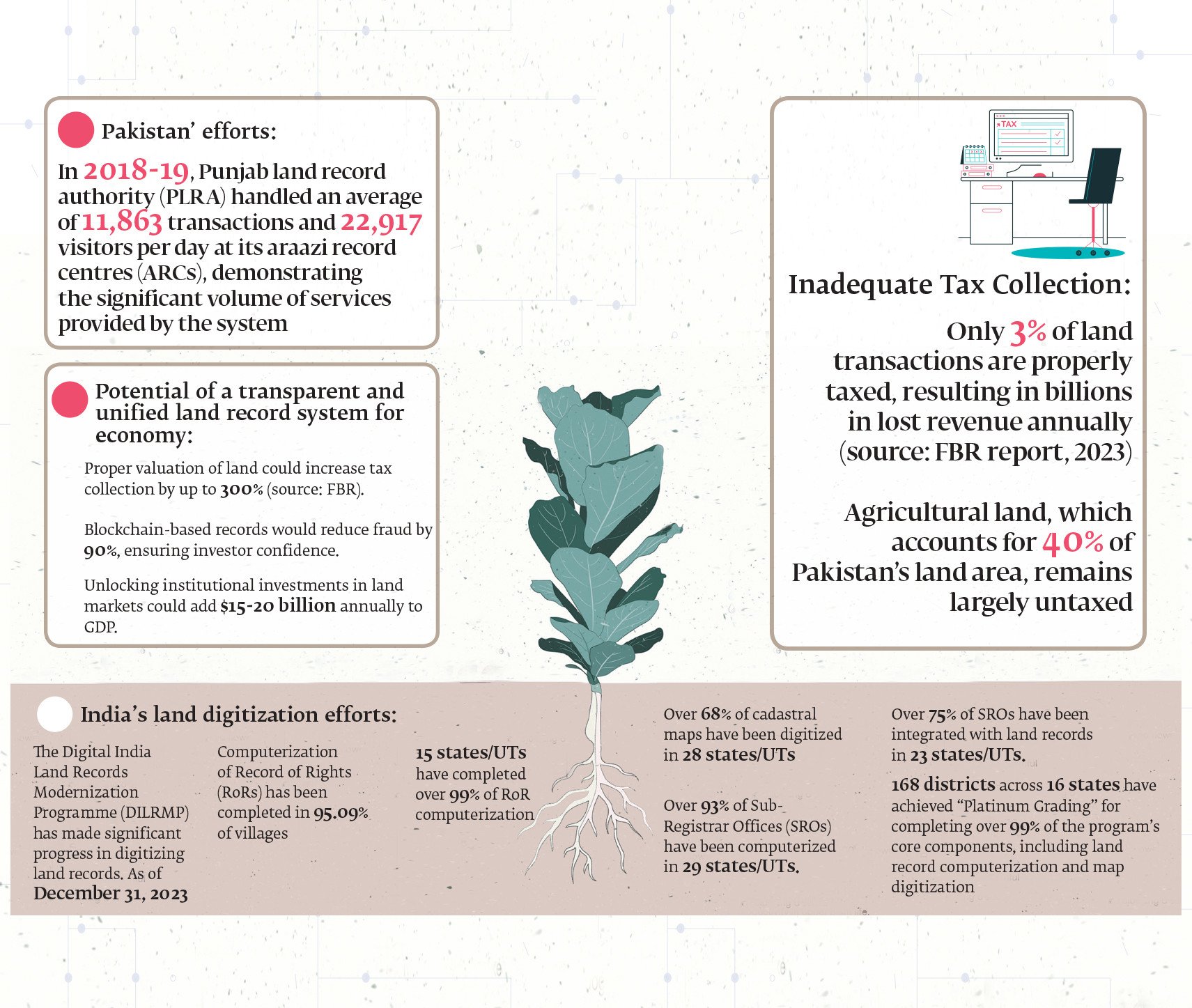
Efforts to modernize this convoluted system have been made, notably through initiatives like Punjab’s Land Record Management Information System (LRMIS). However, these efforts remain fragmented and limited in scope. The slow pace of digitization and the continued reliance on manual records mean that the full benefits of these initiatives are yet to be realized. According to a recent article in The Express Tribune, the ongoing challenges in land ownership and management are a significant hurdle to Pakistan’s progress.
Blockchain: A Beacon of Hope
Amidst these challenges, blockchain technology emerges as a promising solution. Known for its secure and transparent nature, blockchain could revolutionize land management in Pakistan by ensuring clear and immutable land titles. This technology has the potential to reduce corruption and fraudulent transactions, offering a path towards a more efficient and equitable system.
International examples provide a blueprint for success. Georgia’s blockchain land registry, for instance, has been hailed as a triumph in transparency and fraud prevention. By storing land records on an immutable digital ledger, Georgia has effectively eliminated disputes arising from document manipulation. This model offers valuable lessons for Pakistan, highlighting the transformative potential of blockchain in governance.
Challenges and the Road Ahead
Despite its promise, implementing blockchain in Pakistan is not without challenges. Political resistance, bureaucratic inertia, and a lack of technical expertise pose significant hurdles. Moreover, vested interests benefiting from the current system’s opacity are likely to oppose such reforms. Overcoming these obstacles will require strong political will and collaboration across federal and provincial levels.
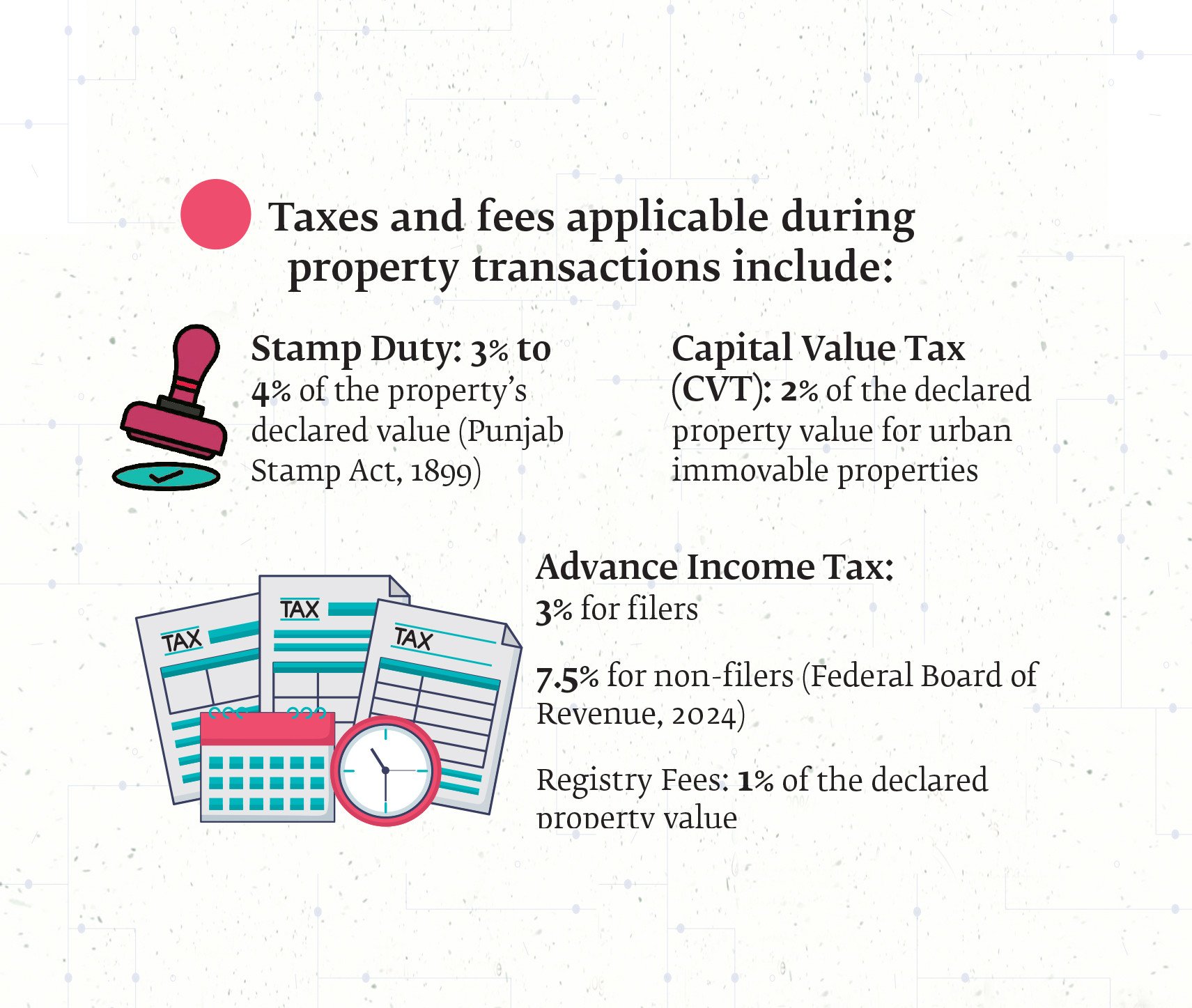
To pave the way for blockchain adoption, Pakistan must first consolidate existing digitization efforts, integrating provincial databases into a unified national platform. Legislation should standardize land valuation methods, eliminating disparities and closing loopholes that allow tax evasion. Public awareness campaigns will also be crucial in ensuring widespread adoption and trust in the new system.
Conclusion: A Call for Urgent Reform
The inefficiencies in Pakistan’s land management system have persisted for too long, hindering economic growth and legal transparency. However, with the right reforms and the adoption of cutting-edge technology, Pakistan has the potential to revolutionize its land administration. By learning from global examples and embracing blockchain’s capabilities, the country can unlock billions in economic value, boost investor confidence, and strengthen tax revenues.
The need for reform is urgent — Pakistan cannot afford to let its land management crisis continue unchecked. As highlighted in The Express Tribune, the time for action is now.
Select options
This product has multiple variants. The options may be chosen on the product page
Details
More Articles
Getting licensed or staying ahead in your career can be a journey—but it doesn’t have to be overwhelming. Grab your favorite coffee or tea, take a moment to relax, and browse through our articles. Whether you’re just starting out or renewing your expertise, we’ve got tips, insights, and advice to keep you moving forward. Here’s to your success—one sip and one step at a time!
The debut episode of NAR’s Change Agents podcast highlights why real estate expertise is more valuable than ever in an AI-driven world. eXp Realty CEO Leo Pareja explains that while technology accelerates communication and connections, consumers still rely on seasoned professionals to guide them through life’s biggest financial decisions. From the Everest analogy to real-world AI success stories, the conversation reveals how trust, transparency, and expert guidance remain the core of the real estate experience.
U.S. 30‑year mortgage rates have dipped to 5.98%, breaking below 6% for the first time since 2022. This third consecutive weekly decline signals a potentially energized spring buying season as lower Treasury yields and easing market anxiety push rates down. Buyers, sellers, and real estate professionals may see renewed activity as affordability slightly improves and refinancing picks up momentum.
A sweeping federal reporting requirement is about to impact how companies, trusts, investors, and even cash buyers purchase residential real estate. FinCEN’s new rule closes long‑standing loopholes that allowed anonymous all‑cash property deals, requiring many entity-based buyers to disclose their true beneficial owners. Real estate agents, brokers, and advisors should brace for workflow changes and increased compliance responsibilities, while investors are urged to review their acquisition structures now to avoid delays once the rule takes effect.
After briefly dipping below 6 percent for the first time in years, mortgage rates have surged again following U.S.-Israeli military strikes on Iran. Rising oil prices and a jump in Treasury yields have pushed the average 30-year fixed rate back to 6.12 percent, creating fresh uncertainty just as the spring housing market was gaining traction. Experts warn that continued geopolitical instability could keep rates elevated, while upcoming U.S. employment data may determine whether relief is on the horizon for buyers and sellers.
New 2026 data reveals that the average life insurance policy costs just 26 dollars a month—less than most lunch outings—making it more affordable than many professionals expect. Rates vary based on age, health, gender, smoking habits, and term length, with younger and healthier applicants paying significantly less. As real estate, mortgage, insurance, and finance professionals plan long-term financial stability, understanding these pricing factors is crucial.