In the heart of Pakistan’s bustling cities and sprawling rural landscapes lies a persistent challenge that has long stifled economic growth and social stability: land management. For decades, the system has been mired in inefficiencies, corruption, and outdated colonial-era practices, leaving millions frustrated and the nation’s economic potential untapped.
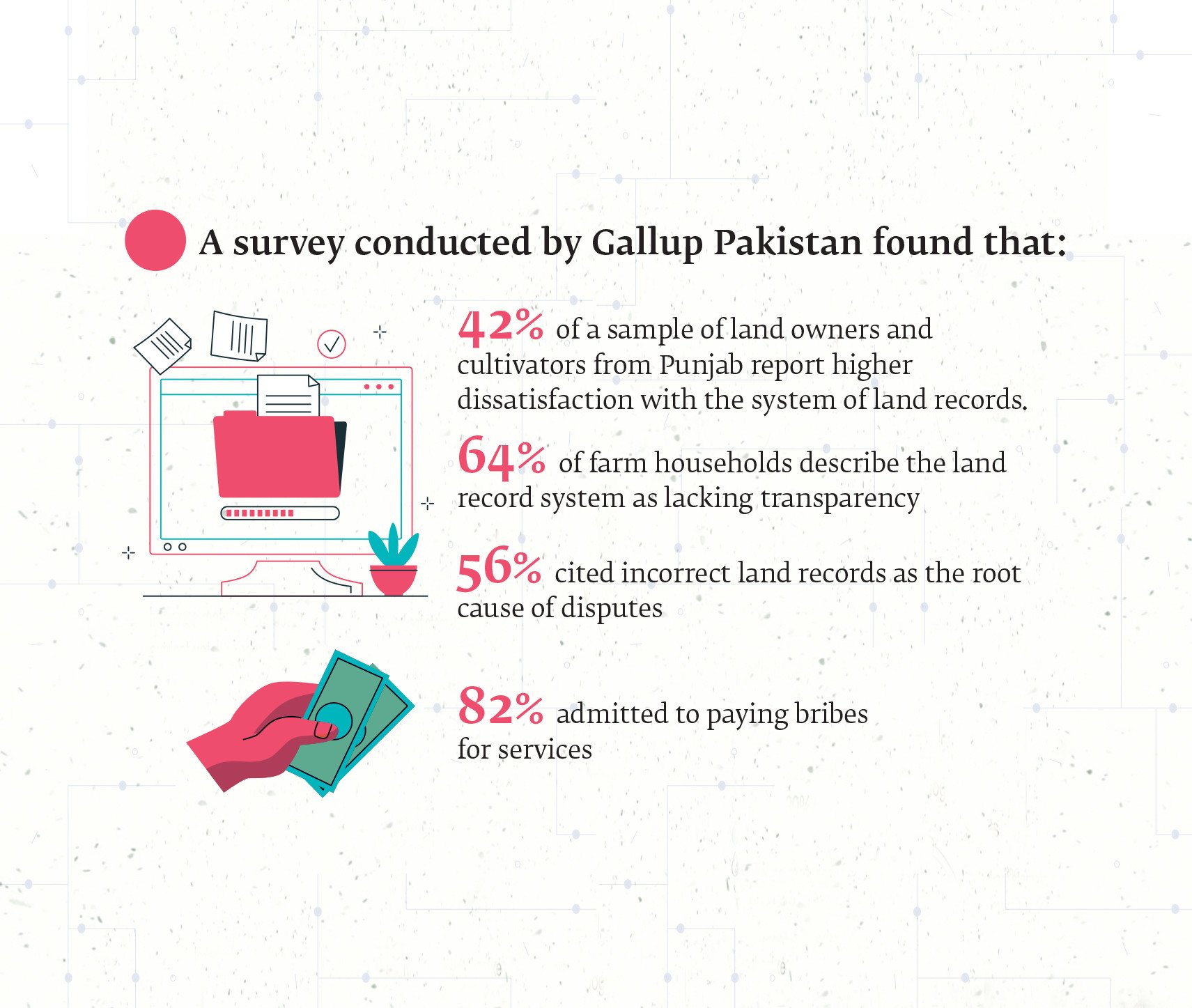
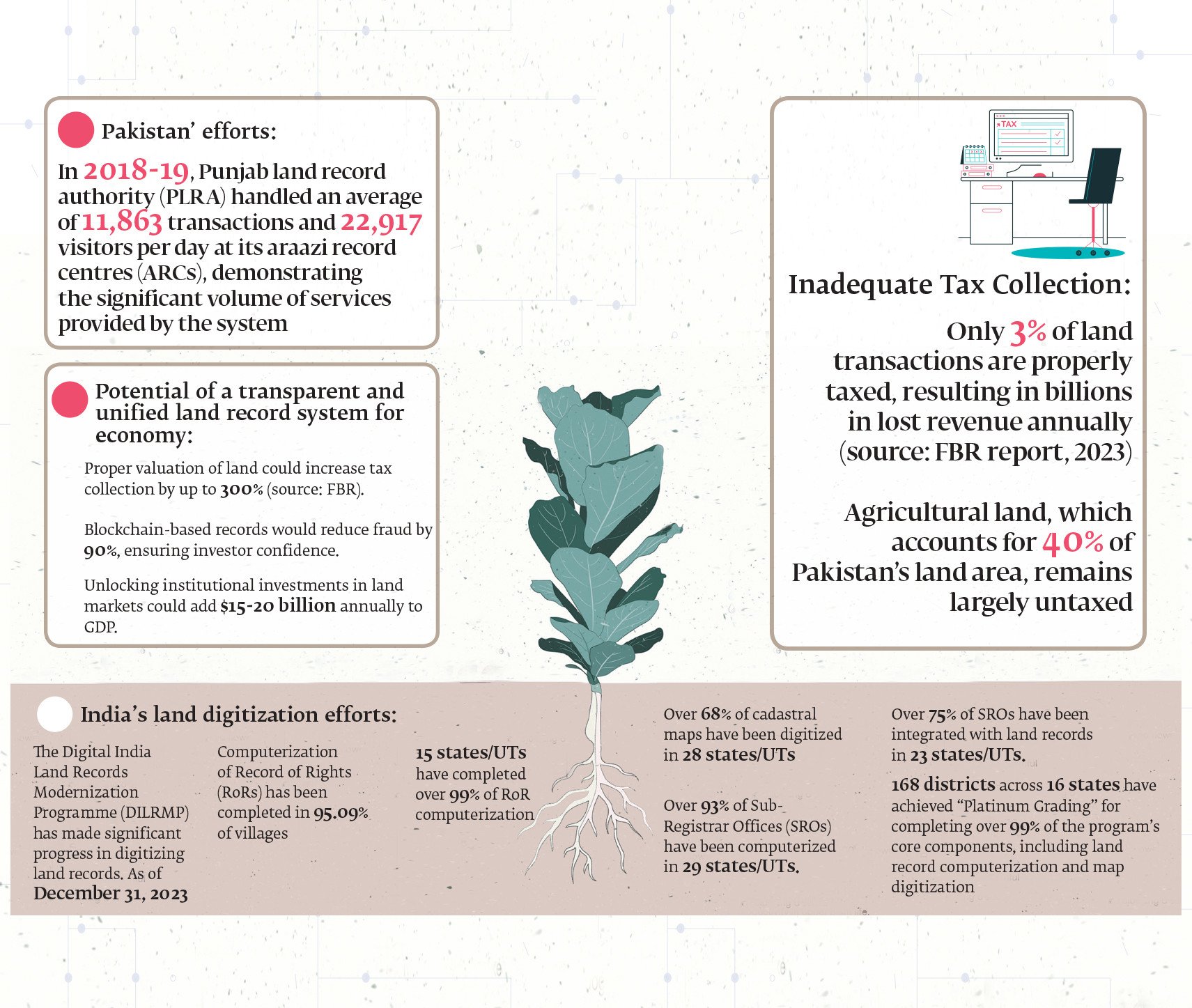
Efforts to modernize this convoluted system have been made, notably through initiatives like Punjab’s Land Record Management Information System (LRMIS). However, these efforts remain fragmented and limited in scope. The slow pace of digitization and the continued reliance on manual records mean that the full benefits of these initiatives are yet to be realized. According to a recent article in The Express Tribune, the ongoing challenges in land ownership and management are a significant hurdle to Pakistan’s progress.
Blockchain: A Beacon of Hope
Amidst these challenges, blockchain technology emerges as a promising solution. Known for its secure and transparent nature, blockchain could revolutionize land management in Pakistan by ensuring clear and immutable land titles. This technology has the potential to reduce corruption and fraudulent transactions, offering a path towards a more efficient and equitable system.
International examples provide a blueprint for success. Georgia’s blockchain land registry, for instance, has been hailed as a triumph in transparency and fraud prevention. By storing land records on an immutable digital ledger, Georgia has effectively eliminated disputes arising from document manipulation. This model offers valuable lessons for Pakistan, highlighting the transformative potential of blockchain in governance.
Challenges and the Road Ahead
Despite its promise, implementing blockchain in Pakistan is not without challenges. Political resistance, bureaucratic inertia, and a lack of technical expertise pose significant hurdles. Moreover, vested interests benefiting from the current system’s opacity are likely to oppose such reforms. Overcoming these obstacles will require strong political will and collaboration across federal and provincial levels.
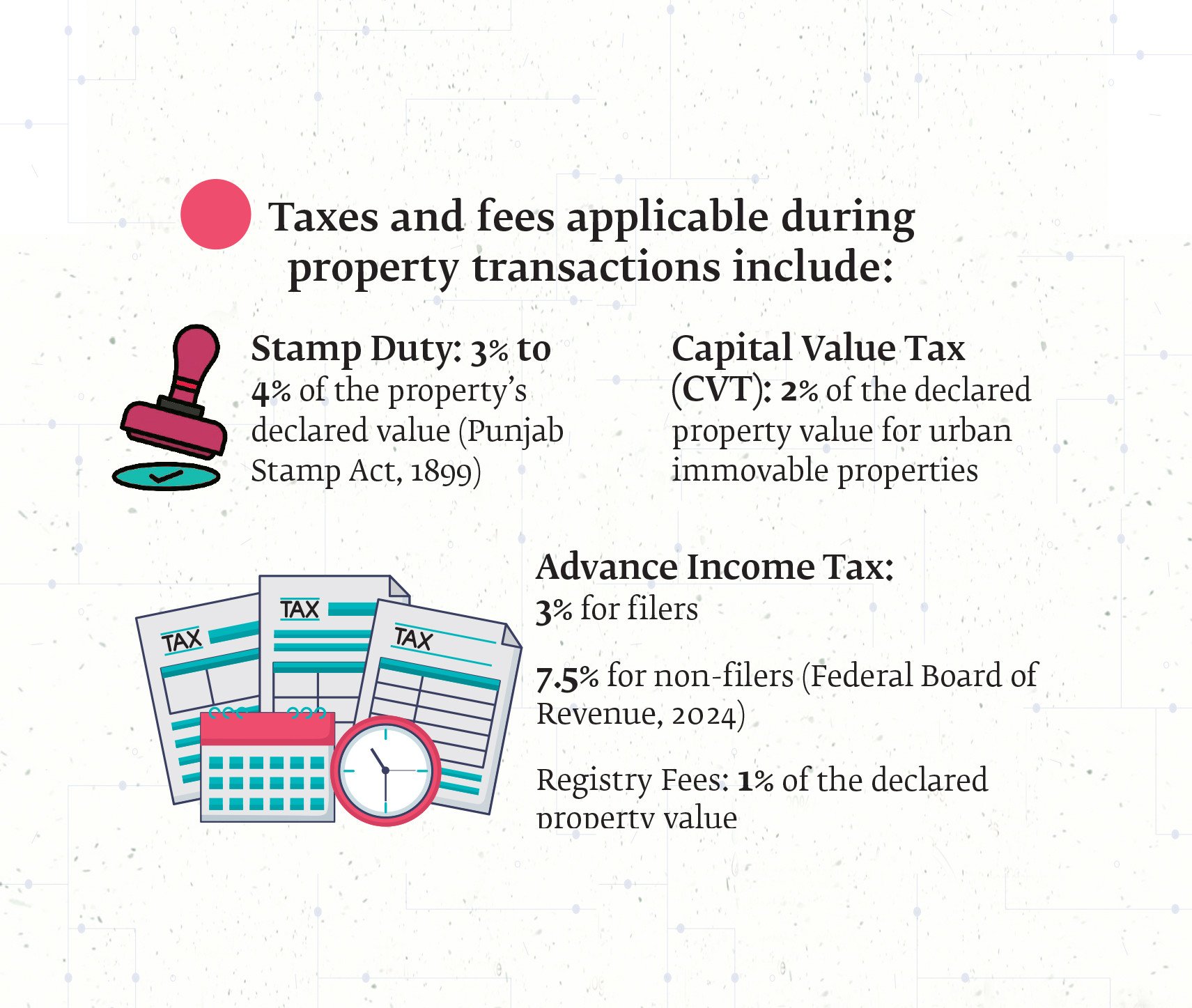
To pave the way for blockchain adoption, Pakistan must first consolidate existing digitization efforts, integrating provincial databases into a unified national platform. Legislation should standardize land valuation methods, eliminating disparities and closing loopholes that allow tax evasion. Public awareness campaigns will also be crucial in ensuring widespread adoption and trust in the new system.
Conclusion: A Call for Urgent Reform
The inefficiencies in Pakistan’s land management system have persisted for too long, hindering economic growth and legal transparency. However, with the right reforms and the adoption of cutting-edge technology, Pakistan has the potential to revolutionize its land administration. By learning from global examples and embracing blockchain’s capabilities, the country can unlock billions in economic value, boost investor confidence, and strengthen tax revenues.
The need for reform is urgent — Pakistan cannot afford to let its land management crisis continue unchecked. As highlighted in The Express Tribune, the time for action is now.
More Articles
Getting licensed or staying ahead in your career can be a journey—but it doesn’t have to be overwhelming. Grab your favorite coffee or tea, take a moment to relax, and browse through our articles. Whether you’re just starting out or renewing your expertise, we’ve got tips, insights, and advice to keep you moving forward. Here’s to your success—one sip and one step at a time!
The average life insurance premium in 2026 sits at about 26 dollars per month for a healthy 40-year-old seeking a 20-year, 500,000 dollar term policy, according to recent industry data. Rates continue to be influenced by factors like age, health, and risk class, while certain personal details—such as marital status or number of beneficiaries—have no impact on pricing. With term, whole life, and no-exam options showing wide cost differences, professionals in real estate, insurance, mortgage, and finance can benefit from understanding how underwriting works. This knowledge not only helps with personal financial planning but also supports advising clients effectively in these interconnected industries.
AI is becoming a powerful partner for real estate agents, helping automate repetitive tasks like lead responses, follow ups, marketing content, and paperwork so you can focus on clients and closing deals. From 24/7 chat assistants to AI enhanced visuals and predictive analytics, agents using these tools are gaining a competitive edge without needing technical skills.
Florida’s housing market continues to outpace national growth, with several cities experiencing sharp jumps in home values driven by high demand and limited inventory. New data from Zillow highlights where price acceleration is strongest—from luxury enclaves like Golden Beach and Lake Buena Vista to more affordable markets such as Old Town. For real estate professionals, these insights spotlight emerging opportunities, shifting buyer behavior, and areas of rising investment interest across the state.
Baltimore is moving to close key loopholes in its rental licensing system after thousands of unlicensed and unsafe units came to light. A new city proposal would strengthen enforcement, increase audits, and protect tenants from negligent landlords. With nearly half of rentals still unlicensed, the reform highlights why compliance and ethical property management remain essential across the real estate industry.
Florida lawmakers have taken a major step toward helping homeowners understand rising insurance costs. The Florida House voted 114-0 to approve HB 767, a bill that would require insurers to publicly share more of the data behind their rate increases. While the bill doesn’t limit premiums, it aims to give consumers, real estate professionals, and analysts clearer insight into how insurance companies set their prices as it now heads to the Senate for consideration.
A rising public‑radio journalist walked away from the career she worked years to build after a spontaneous trip to Spain made her question what she truly wanted from life. Trading stability for a teaching visa and a slower pace in Seville, she faced financial uncertainty, culture shocks, and doubts about her future—yet also gained safety, freedom, and a renewed sense of self. Her journey is a reminder that major career shifts, whether abroad or at home, can open the door to unexpected possibilities.